Breathe Easier at Home with Less Dust
Homes in Celina, Collin County, and North Dallas collect a lot of dust. We have wind, ongoing construction, high pollen, and long stretches of time when the AC runs with windows closed. All of that means dust has nowhere to go except onto your furniture, floors, and into your nose.
Dust is more than a housekeeping headache. It can bother allergies, trigger asthma, and make your home feel stuffy and uncomfortable. Many homeowners think a big duct cleaning project is the only answer, but that is not always true.
In many houses, you can cut dust in a big way by focusing on three things: better HVAC filters with the right MERV rating, sealing return air leaks that pull in attic dust, and keeping vent covers clean. These changes often work even without full duct cleaning and can be part of a smart HVAC cleaning plan for your home.
How Your HVAC System Spreads Dust Around
Your central HVAC system is like the lungs of your home. It pulls air in through return vents, cools or heats it, then pushes it back through supply vents into your rooms. If anything in that path is leaky or dirty, dust gets picked up and sent all over your house.
Common dust sources in Collin County homes include:
- Attic dust and insulation fibers that sneak in through gaps
- Outdoor dust from wind and construction sites
- Pollen that comes in on clothes and pets
- Pet dander and skin flakes from people inside the home
When your system runs, it can draw in these particles. If the filter is too weak or clogged, or if the returns are leaking, a lot of that dust blows right back out of your vents.
It helps to know the difference between where dust sits:
- Surface dust on vent covers, easy to see and wipe
- Dust inside return boxes or near grilles, often from small gaps
- Deep debris inside the ductwork, which not every home has enough of to justify full duct cleaning
Many houses mainly struggle with surface dust and return leaks, not deep duct buildup. A good HVAC cleaning service in Collin County should inspect and tell you honestly which problem you have.
Smarter Filter Upgrades Using MERV Ratings
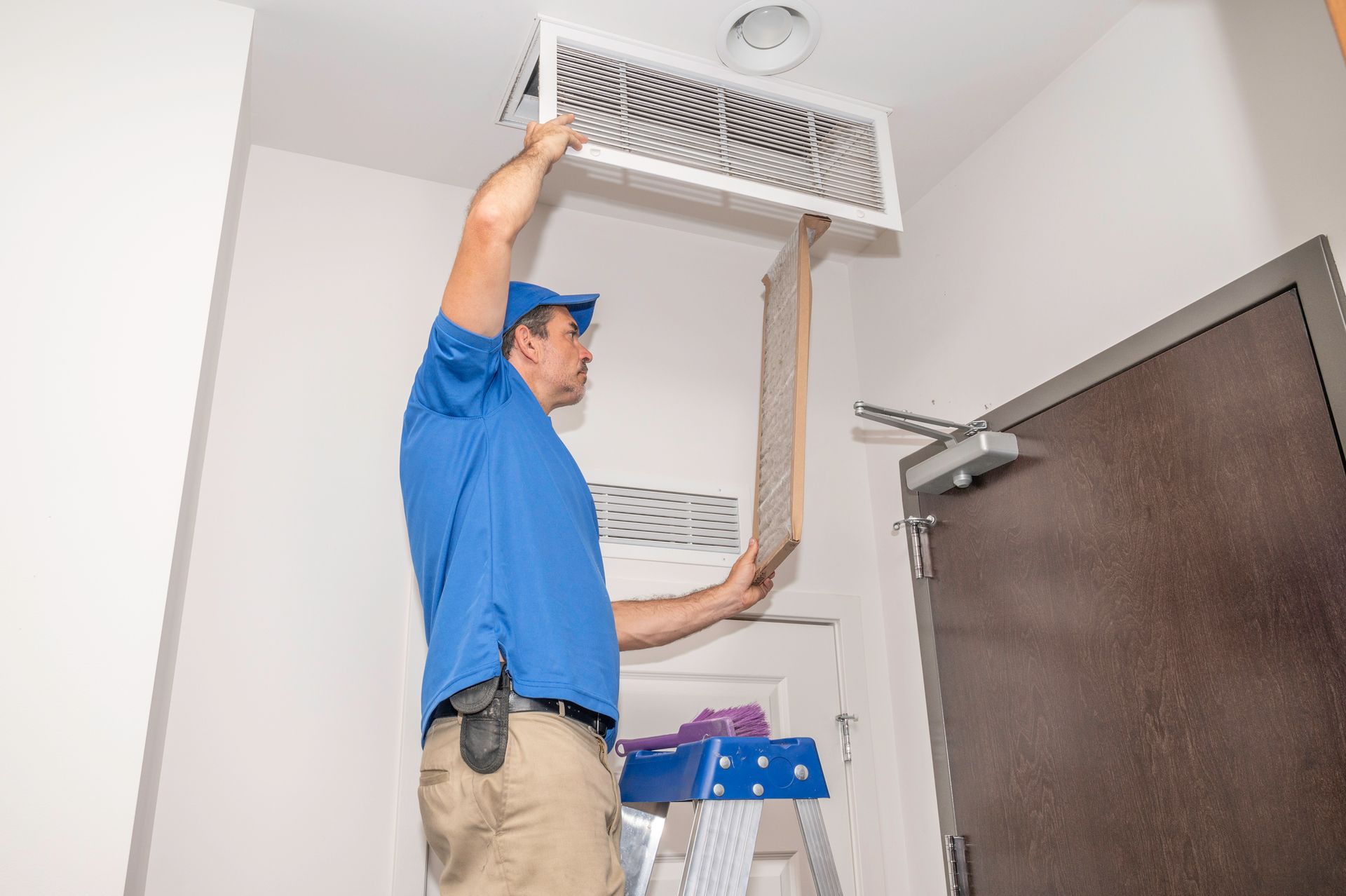
Your air filter is the first line of defense against dust. MERV stands for Minimum Efficiency Reporting Value. It measures how well a filter catches particles of different sizes. The higher the number, the more dust, pollen, and fine debris the filter can trap.
Here is a simple way to think about it:
- MERV 4, 8: Basic filters that catch larger dust and lint
- MERV 9, 13: Better for household dust, pet dander, and many allergy particles
Higher MERV filters can help you breathe cleaner air and see less dust landing on surfaces. But there is a catch. If your system is not designed for a very tight filter, going too high can restrict airflow. That can strain the blower, hurt comfort, and reduce efficiency.
A few filter tips for Collin County homes:
- During heavy AC season, many homes need filter changes every 1 to 2 months
- In milder weather, you might go closer to 2 to 3 months
- Homes with pets, smokers, or allergy sufferers often need more frequent changes
- If the filter looks gray and fuzzy or you see dust lines on vents, it is likely overdue
The safest move is to talk about filter options with a trained tech during an HVAC cleaning service in Collin County. They can look at your blower, ductwork, and current filter size, then help you choose a MERV rating that your system can handle without airflow trouble. You can learn more about how we approach system care and service areas by checking the details on our
service areas page.
Stop Attic Dust with Sealed Return Air Leaks
One of the biggest dust culprits we see in North Dallas is leaky return air. A return air leak is any crack, gap, or loose connection in the path where your system pulls air back in. Instead of only pulling air from inside your home through the grille, the system starts sucking in dusty attic air.
Common leak spots include:
- Gaps around return grilles in the ceiling or wall
- Cracks or holes in return boxes in the attic
- Loose or poorly attached flex duct connections
Warning signs of return air leaks:
- Extra dust collecting near return vents
- Uneven temperatures between rooms
- Whistling sounds around return grilles when the system runs
- Visible gaps, cracks, or missing caulk around vents
Professional HVAC teams find these leaks with a careful inspection, then seal them using mastic, proper foil tape, and correct connection methods. Duct tape, generic tape, or random spray foam often fails over time or causes other problems, so we do not recommend trying to fix major return leaks on your own.
Sealing return leaks usually does two big things at once: it cuts down on dust, and it helps your system run more efficiently. In many North Dallas homes, this step has more effect on dust than duct cleaning alone, because you stop the “vacuum” effect from the attic in the first place. During a visit, a tech can also look at your heating side of the system, similar to what is included in
heating repair and service checks.
Cleaner Vent Covers Without Full Duct Cleaning
Dirty vent covers make your whole home feel dusty, even when most of the dust is only on the surface. Cleaning vent covers is very different from full duct cleaning and is usually safe for homeowners to handle as basic upkeep.
Here is a simple process:
- Turn your HVAC system off at the thermostat
- Carefully remove the vent covers with a screwdriver if needed
- Vacuum both sides with a soft brush attachment
- For metal covers, wash them with mild soap and water, then rinse
- Let them dry fully before putting them back
If you notice any of these signs while you clean:
- Rust on the covers
- Dark stains that look like moisture issues
- A strong musty or sour smell when the system runs
Then it is time to have a professional check for deeper problems like condensation, biological growth, or serious dust buildup. That is where a full HVAC cleaning service in Collin County can help you decide if you need more than surface care. For homes that truly have heavy buildup in the ductwork, information about deeper cleaning steps is available on our
duct cleaning page.
To keep things under control, many homeowners like to clean vent covers twice a year, often before heavy summer cooling and before cooler weather. That way, dust sitting on the vents does not keep falling back into your rooms.
When Professional HVAC Cleaning Makes Sense
A professional HVAC cleaning visit can include more than just duct cleaning. Depending on your system, it may cover:
- Cleaning the blower area to remove dust that slows the fan
- Cleaning the evaporator coil so it can cool properly
- Clearing the drain line to help prevent water leaks
- Inspecting for air leaks and checking filtration and airflow
Professional help is especially helpful when:
- You have had recent remodeling, drywall, or flooring work
- Family members have strong allergies or breathing issues
- You see visible dust blowing out of vents when the system starts
- Surfaces get dusty again very quickly right after cleaning
- You notice musty or unpleasant odors when the AC or heat turns on
A careful inspection helps sort out whether you truly need deeper duct cleaning or if you will get better results from the three core steps we have covered: better filters, sealed returns, and clean vent covers. It is smart to have this done before peak summer so your system is clean, efficient, and ready for long AC run times. If you decide your home could benefit from a service visit, you can look at options on our
schedule service page.
Frequently Asked Questions About Reducing Dust with HVAC
1) How do I know if my home needs duct cleaning or just better filters?
If you see heavy, dark buildup inside multiple vents, smell strong odors when the system runs, or know there has been smoke or major contamination in the home, duct cleaning may be useful. In many homes, though, the main problems are weak filters, long-overdue filter changes, and leaky returns. An HVAC cleaning service in Collin County can inspect and tell you if a filter upgrade and leak sealing will likely solve most of your dust issues.
2) What MERV rating is best for dust control without hurting my system?
Many homes do well with filters in the MERV 9 to 13 range for dust and allergy control. The exact level depends on your system design, blower strength, and ductwork. A tech should check your setup before you move to a higher MERV so you do not restrict airflow or stress the equipment.
3) How often should I change my air filter in Collin County?
A good rule is every 1 to 3 months. During heavy summer cooling, or if you have pets or allergy concerns, changing closer to every month often works better. Always check your filter monthly, and if it looks loaded with dust, change it even if the calendar says it is not time yet.
4) Can I seal return air leaks myself, or do I need a professional?
You can usually handle very small gaps around return grilles inside the living space, for example, using proper caulk at the trim line. Anything in the attic, at the return box, or involving flex duct connections is better left to a licensed HVAC pro. Those areas affect airflow and safety, and the right sealing materials and methods matter.
5) Why are my vents still dusty even after cleaning them?
If your vents get dusty again right after you wash them, you may have one or more of these problems: a dirty or clogged filter, a filter with too low of a MERV rating, return leaks pulling in attic dust, or dust being stirred up from inside the home. In some cases, you may also need a broader HVAC cleaning service in Collin County to deal with buildup on coils or in the blower area that keeps recirculating particles.
Protect Your Home’s Comfort With Professional HVAC Care
Our team at Airmax Air Conditioning & Heating is ready to restore clean, efficient airflow throughout your home with our HVAC cleaning service in Collin County. We take the time to inspect, clean, and optimize your system so you can enjoy better comfort and air quality all year long. If you are ready to schedule service or have questions about your system, simply contact us and we will help you take the next step.