Fewer AC Emergencies, Happier Tenants, Stronger Returns
AC trouble in a Aubrey, Collin County rental is not just an inconvenience. When equipment fails in the middle of a North Texas heat wave, you get upset tenants, stressed property managers, and a system that may suffer long-term damage. Repeat AC repair calls eat into your time and your returns.
A big part of cutting those headaches is not about the AC system at all. It is about the rules and communication around it. Clear lease language, simple filter responsibilities, and a basic maintenance communication plan can sharply reduce emergency calls and keep everyone on the same page.
In this guide, we are focusing on Collin County landlords, property managers, and small investors who want fewer AC surprises. We will walk through lease clauses, filter routines, a communication plan, and seasonal strategies that support reliable cooling and longer equipment life.
Clarifying AC Responsibilities in Your Lease
Your lease is the first tool you have to protect your AC equipment and your time. When expectations are vague, you end up arguing about who pays for what and why the system failed.
Start by spelling out how the AC should be used and cared for. Clear rules help tenants understand what is reasonable.
Consider including language about:
- Reasonable thermostat settings, for example, no setting below a certain temperature in July and August to help prevent frozen coils
- Keeping windows and doors closed when the AC is running
- Not tampering with breakers, disconnects, or opening any equipment panels
Next, define what counts as normal wear and tear versus tenant-caused damage. A simple way to think about it:
- The owner handles age-related failures and code-required upgrades
- The tenant may be charged when neglect or misuse leads directly to a problem
Common tenant-caused issues include:
- Never changing filters, which can lead to restricted airflow and coil problems
- Blocking return grilles with furniture or clutter
- Bending or breaking supply vents through rough use
You also want to make sure you can get into the property when you need to. Seasonal access and scheduling clauses are a big help. Spell out that:
- Tenants must allow entry for preventive AC visits during reasonable hours
- You will give a set amount of notice before visits
- How appointments will be confirmed and how rescheduling works
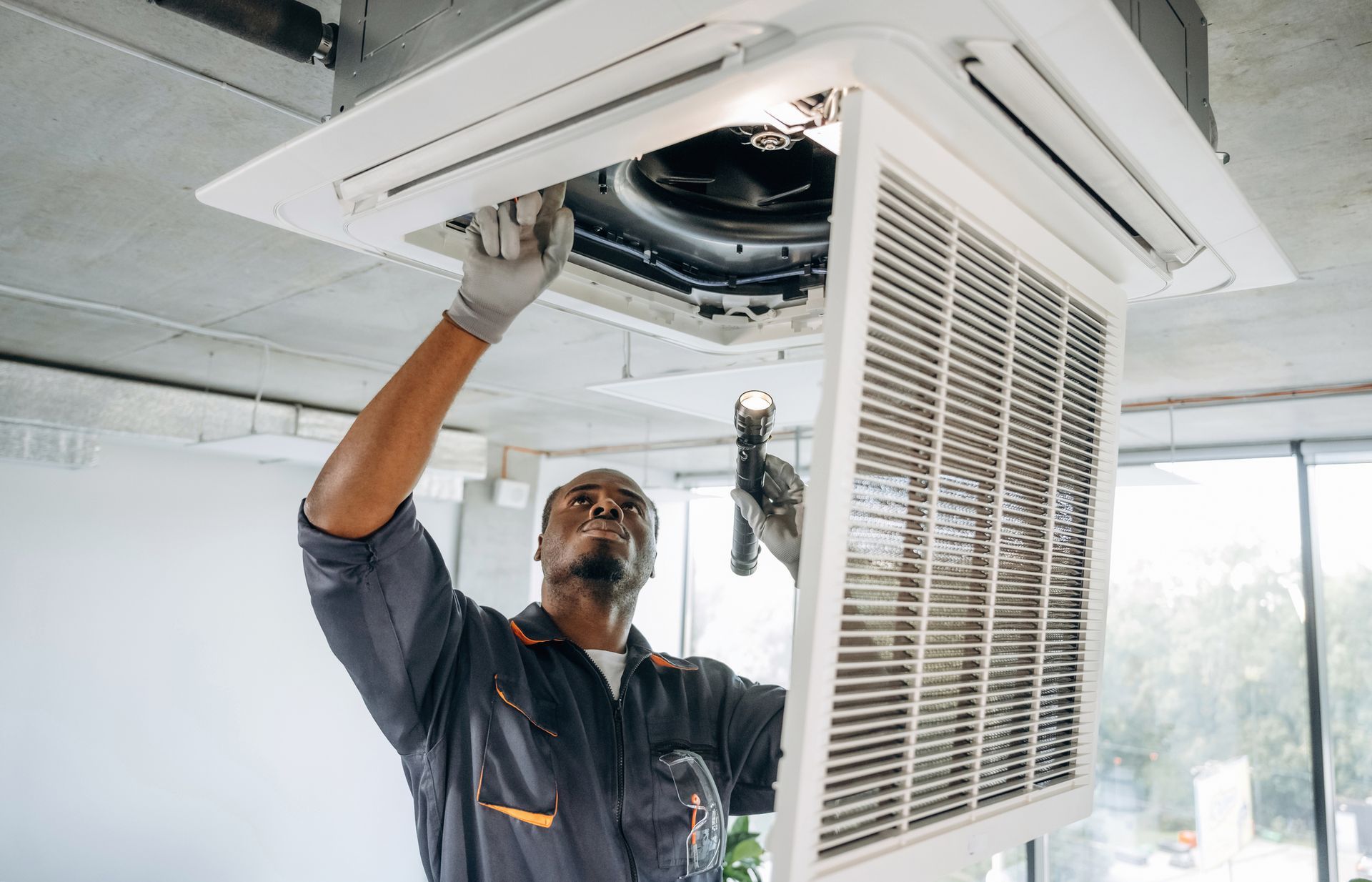
When this is clear up front, it is easier to keep up with regular service and avoid surprise failures that demand urgent
AC repair in Collin County.
Making Filter Duties Simple and Non-Negotiable
Filter care is the easiest task to ignore, and one of the biggest drivers of AC failures in our area. In Texas heat, a dirty filter can quickly turn a small problem into a big one.
The key is to remove all doubt about who is responsible. Your lease should state:
- Who buys the filters, landlord or tenant
- How often filters must be changed
- Exact sizes for each filter and how many returns the home has
If there are multiple return grilles with different sizes, write that down in plain language. For example:
- Hallway return: 20x25, change every 30 days during cooling season
- Upstairs return: 16x20, change every 60 days
To reduce friction, make it simple for tenants to do the right thing:
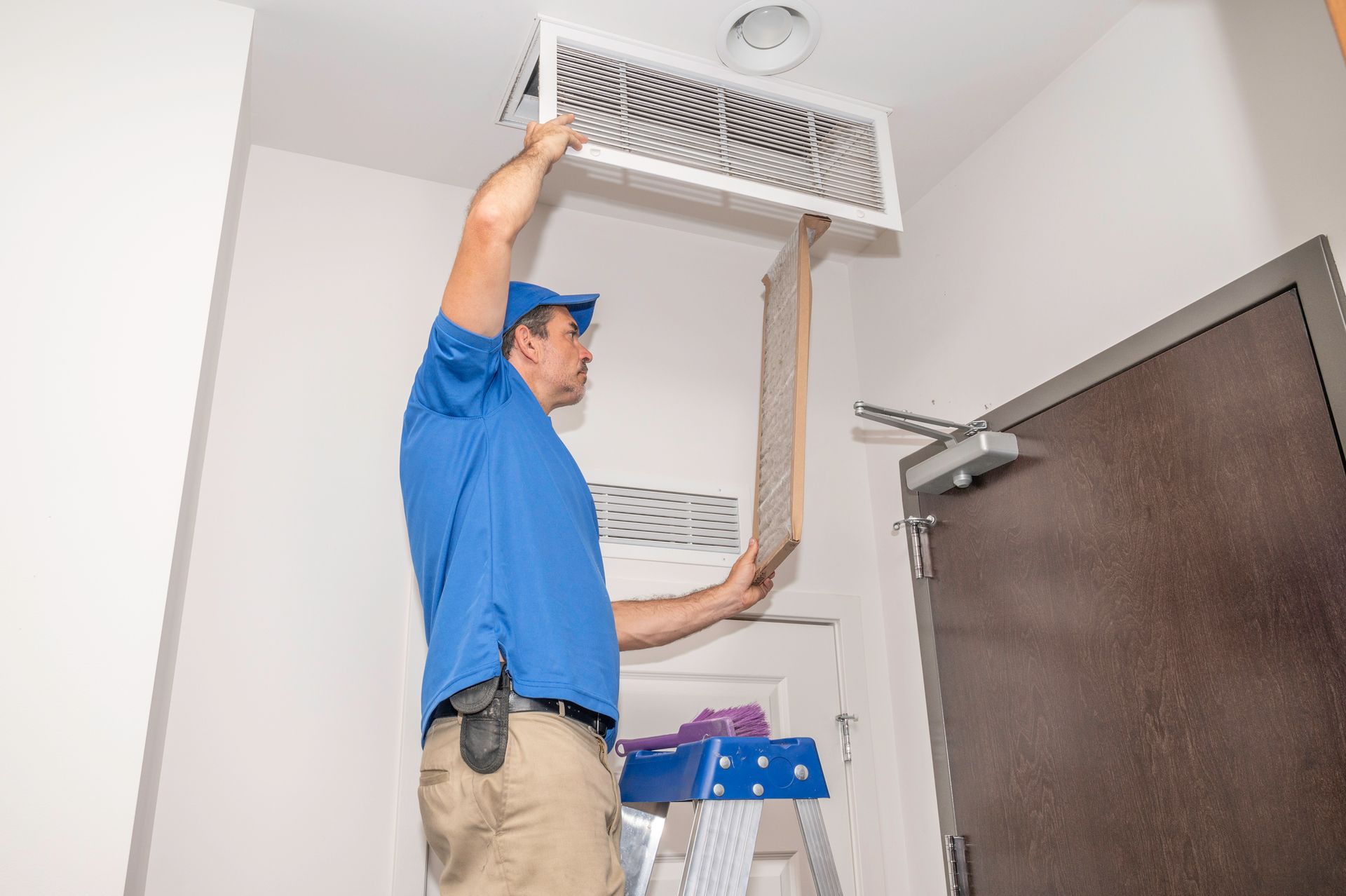
- Provide a starter set of filters at move-in
- Use a filter delivery service that sends the right size on a schedule
- Place a small decal or label near the return grille that lists filter size and change frequency
This matters a lot for AC repair in Collin County. Our summers are long and hot, and systems run for many hours a day. When filters stay dirty:
- Airflow drops and coils can freeze
- Compressors and blowers work harder, which can shorten their life
- Breakdowns are more likely to happen on the hottest days
Good filter habits do not just protect the equipment. They also help tenants enjoy steadier comfort, better air quality, and lower energy bills. That means fewer late-night calls and emergency service requests when schedules are already packed.
Building a Clear AC Maintenance Communication Plan
Even with good lease language and filter habits, you will still get some AC requests. The goal is to make those requests clear, organized, and easy to act on.
First, choose one simple reporting channel and list it in your lease and move-in materials. That might be:
- A property management portal
- A dedicated email address
- A specific phone number or text line
Ask tenants for basic details each time they report an AC issue, such as:
- Date and time they noticed the problem
- What the system is doing or not doing
- Any unusual noises or smells
- Current thermostat setting and indoor temperature
- Photos of the thermostat screen or visible issues, if safe
Next, explain what really counts as an emergency. In North Texas, many owners treat these situations as urgent:
- No cooling at all when outdoor temperatures are above a certain point
- Active water leaks from the indoor unit or drain lines
- Burning smells, smoke, or repeated breaker trips
Slower cooling, small hot spots in the home, or odd noises without other symptoms might be treated as routine, but still need attention. Set simple timelines for response, for example:
- Emergencies: same day or next day when possible
- Routine issues: next available appointment within a reasonable window
Also let tenants know that they should not call vendors directly unless you have given clear permission. Explain that you or your team will handle dispatch and that approved providers, such as
Airmax AC technicians, will manage the work. This keeps costs and records organized and prevents double-booking or confusion.
Seasonal AC Strategies for Collin County Landlords
Our local climate makes planning ahead especially important. When the first long stretch of hot weather hits, AC systems that have been ignored all winter often fail at the same time.
Smart landlords and property managers build seasonal routines that include:
- Spring AC checkups between March and May
- Filter checks before the cooling season starts
- A quick review of thermostat settings and general system condition
Preventive care helps spot issues early, so you do not end up fighting for a service slot during the busiest time for
AC installation and replacement work. Simple fixes like clearing drains, tightening electrical connections, and checking refrigerant levels can prevent mid-summer calls where the system has stopped completely.
Education at move-in and again before summer can also make a big difference. Keep it short and practical. A one-page handout or quick email can cover:
- Where the filter is and how to change it
- How often to change it during heavy use
- Recommended thermostat settings for comfort and system health
- Why vents and returns should stay unblocked
- When to report a small issue before it becomes a bigger one
Finally, build a relationship with a trusted HVAC partner in the area. Working with the same team for
ongoing AC repair in Collin County means:
- Consistent records on each system
- Standardized recommendations across your properties
- Someone who understands the common equipment used in local homes
This steady partnership helps you plan better, budget better, and react faster when something does go wrong.
FAQs About Reducing Tenant AC Repair Requests
1) How often should AC filters be changed in Collin County rentals?
In most homes and small rentals in our area, filters should be changed every 30 to 60 days during cooling season, especially in the hottest months. Some high-efficiency or specialty filters have different change schedules, so it is always smart to follow the filter manufacturer’s label and your HVAC contractor’s advice.
2) Can I require tenants to pay for AC repairs caused by neglect?
You can generally hold tenants responsible for repairs that are clearly caused by their neglect, such as never changing filters or blocking returns, if your lease spells out those responsibilities. You also need to be able to document that the neglect directly caused the problem. Because rules can vary, it is best to check with your attorney to be sure your lease language lines up with Texas law and local rules.
3) What should I include in my AC maintenance clause?
A good AC clause covers the basics in plain language, such as:
• Who handles filter changes and how often
• Access requirements for tune-ups and inspections
• Expected seasonal AC visits
• Who chooses the HVAC contractor
• Behavior that could make a tenant responsible for certain repair costs
The more clear and specific this section is, the fewer arguments you will have later.
4) How early should I schedule summer AC maintenance for my rentals?
Try to get spring maintenance on the calendar several weeks before heavy cooling season. In Collin County, many owners aim for a tune-up sometime between early spring and late spring. This timing gives you room to address any concerns before the peak demand for AC repair and installation work.
5) What basic AC education should I give new tenants?
A short, written guide works well. Include where the filters are, what sizes to buy, and how often to change them. Add thermostat tips, like not setting the temperature too low in extreme heat. Explain how to spot early warning signs, such as odd noises or water around the indoor unit, and spell out exactly how they should report an issue. A simple handout can cut down on confusion and repeat calls.
Restore Comfort Fast With Expert Local AC Repair
If your system is struggling to keep up, Airmax Air Conditioning & Heating is ready to help you get comfortable again with reliable AC repair in Collin County. We take the time to diagnose the real issue, explain your options, and complete repairs with care and precision. Call today or contact us online to schedule prompt, professional service that fits your home and budget.