Protecting Rental Investments with Seasonal AC Care
Air conditioning in Carrollton, Collin County is not a luxury; it is a basic comfort and often a safety issue. Long, hot summers and quick swings in temperature can put a lot of strain on rental HVAC systems. When AC units are ignored, small issues can turn into big repairs at the worst possible time.
Regular AC tune-ups in Collin County help keep rental properties comfortable, cut down on surprise breakdowns, and protect the value of the equipment. When tenants stay cool and the system runs smoothly, landlords get fewer late-night calls and often keep good renters longer. In this guide, we will walk through who handles what, how to write smart lease clauses, and a simple seasonal schedule that keeps everyone on the same page.
Landlord vs. Tenant Responsibilities for AC Tune-Ups
In Texas, landlords are generally expected to provide safe, working systems in a rental property. That includes major HVAC equipment like the AC and heater. The unit itself belongs to the owner, so major care and professional service usually fall on the landlord.
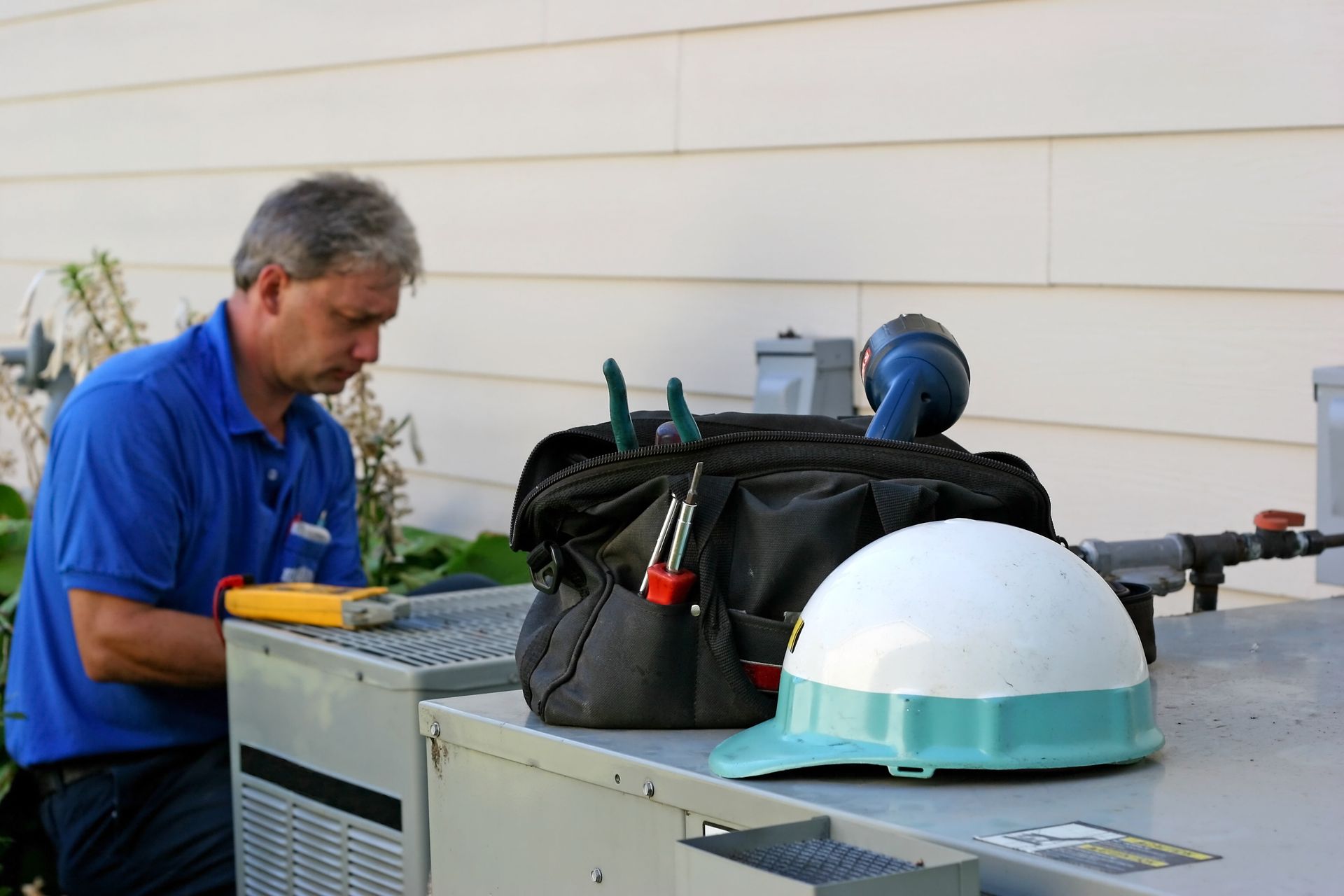
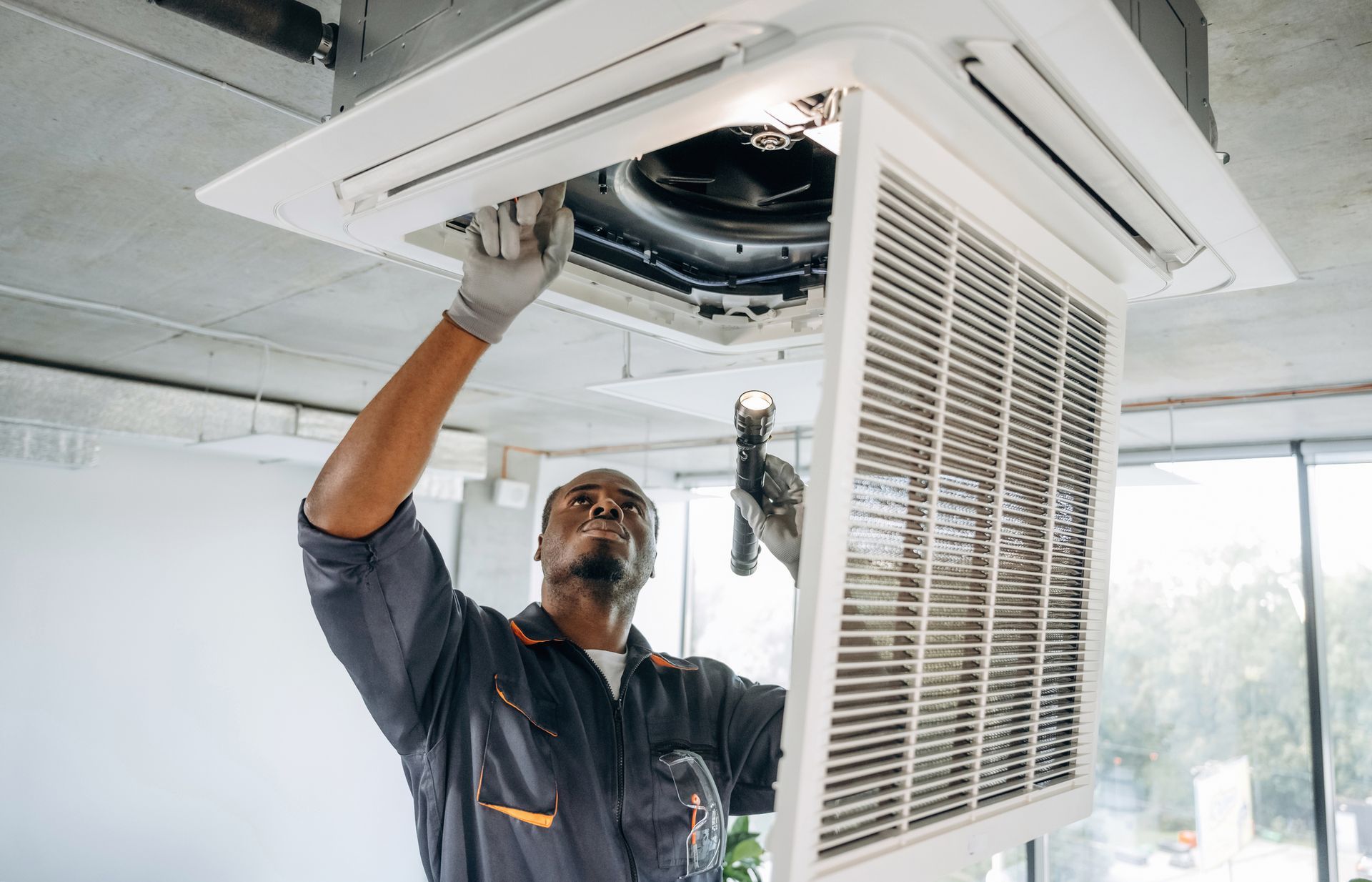
For rental properties in Collin County, professional AC tune-ups are almost always a landlord job. Owners want a trusted company doing the work so they can protect system life, keep any warranties in good shape, and lower the risk of damage or liability. A typical landlord responsibility list might include:
- Scheduling a yearly AC tune-up
- Approving and paying for repairs and replacement parts
- Deciding when it is time for a new system or AC installation
- Adding indoor air quality upgrades when needed for comfort and health
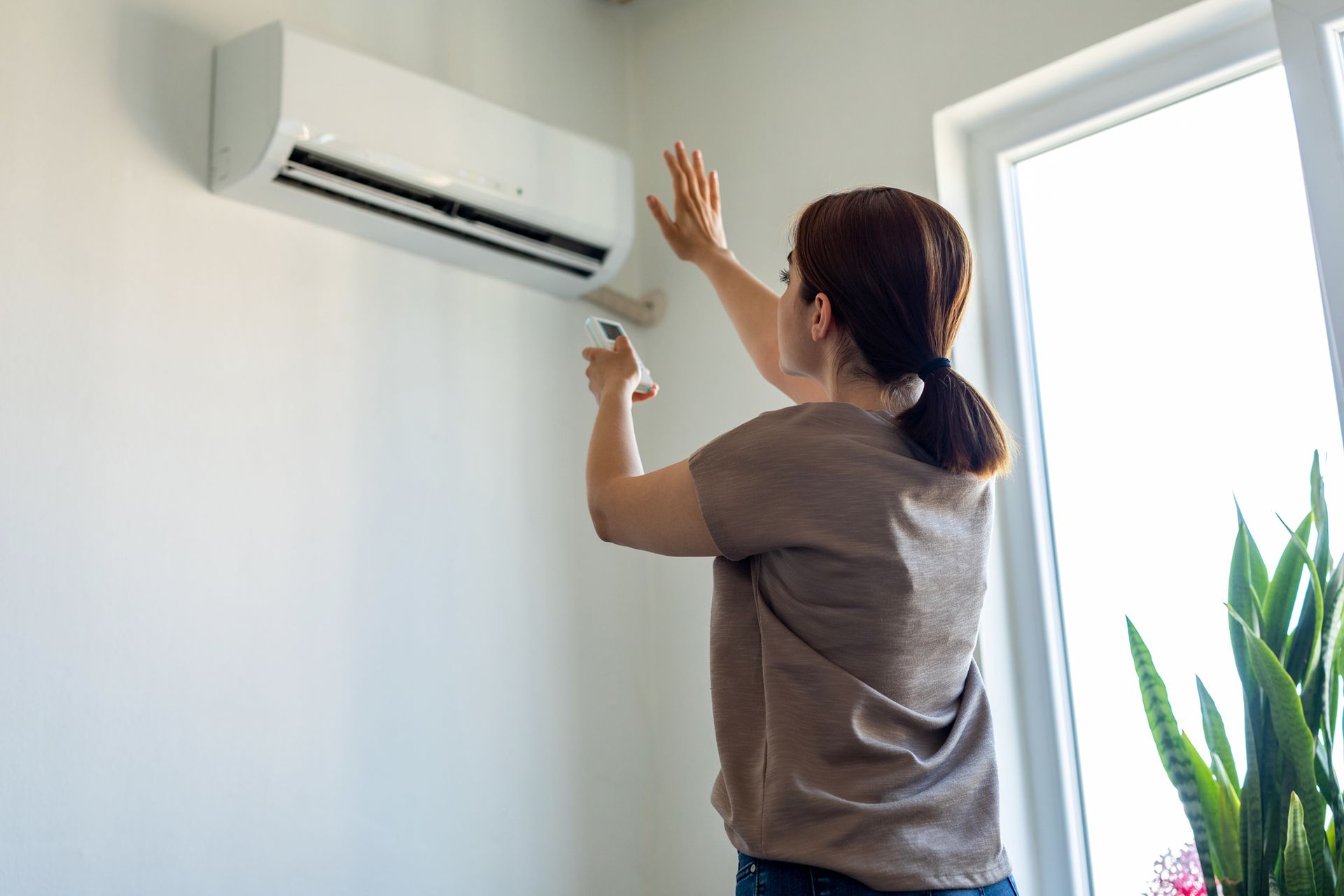
Tenants, on the other hand, are usually responsible for simple, everyday care that keeps the system from working too hard. Landlords can set basic expectations and make sure renters know how to treat the system with care.
Common tenant responsibilities include:
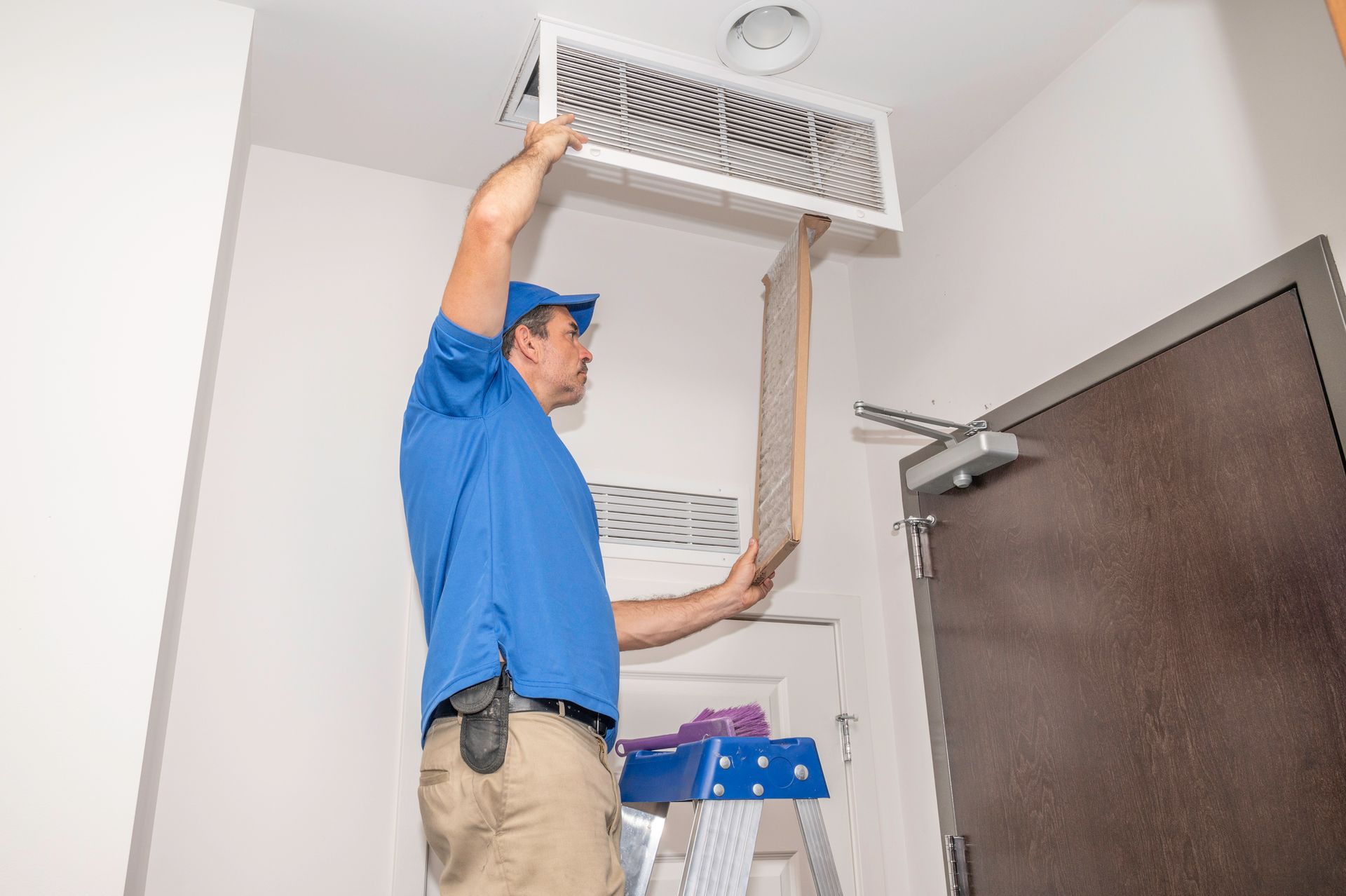
- Changing or cleaning AC filters as stated in the lease
- Keeping supply and return vents clear of furniture and clutter
- Reporting odd sounds, smells, or performance issues early
- Using the thermostat in a reasonable way instead of extreme settings
When tenants follow these steps, they help control their own energy bills and support the life of the landlord’s system. At move-in, it helps when landlords give a short AC rundown. This can be as simple as a one-page handout with:
- Filter type and how often to change it
- Thermostat use tips
- How to submit maintenance requests
A few minutes at move-in can save a lot of confusion and stress later.
Smart Lease Clauses and a Seasonal Maintenance Schedule
Clear lease language is one of the best tools a landlord has. It keeps expectations fair and makes it easier to solve problems when they come up. When talking about AC tune-ups and repairs in your lease, consider including:
- A statement that the landlord handles professional HVAC tune-ups and repairs
- A statement that the tenant handles regular filter changes and basic care
- A promise from tenants to report AC issues within a set time
- Rules about access for scheduled maintenance visits
It also helps to spell out what happens when damage is preventable. For example, if a coil is ruined because a tenant never changed a filter, the lease can say the tenant may be charged for avoidable damage. To back this up, landlords should keep:
- Receipts from each AC tune-up in Collin County
- A simple log of dates and notes for AC and heating tune-ups
- Move-in photos of thermostat, vents, and equipment areas
On top of smart lease clauses, a simple seasonal schedule keeps systems steady year-round. For Collin County rentals, a basic calendar might look like this:
Spring
- Schedule a professional AC service before the first major heat
- Check outdoor units for debris around the area
Mid-summer
- Confirm that filters are being changed as agreed
- Remind tenants how to request service if anything seems off
Fall
- Schedule a heating check so the system is ready for cooler nights
- Look over ductwork areas that are easy to inspect
Winter
- Inspect visible components and listen for odd noises when the system runs
- Plan next year’s AC tune-up dates and budget for possible upgrades
Booking an AC tune-up in Collin County before peak summer can help avoid delays when every system in the area is running hard. A seasonal schedule like this can lower breakdowns, improve indoor air quality, and spread HVAC costs in a more predictable way.
Partnering with an HVAC Pro and Common FAQs
Many landlords find it easier to stick to a plan when they have one reliable HVAC partner for all their rentals. Working with the same local company means they learn your properties over time, which can lead to faster diagnostics and consistent records. For rental owners in Collin County and North Dallas, it helps to look for a company that is:
- Licensed and insured
- Familiar with local weather and housing styles
- Comfortable working with both owners and tenants
A good HVAC partner can often set up preventive maintenance options and help coordinate times with tenants so units get the care they need with less hassle.
Here are some common questions we hear about AC tune-ups for rentals in Collin County.
FAQ 1: How often should a rental property get a professional AC tune-up in Collin County?
Most rental AC systems do best with a professional tune-up once a year. In heavy-use areas like Collin County, yearly visits help catch problems early and keep the system ready for long stretches of hot weather.
FAQ 2: Can landlords require tenants to schedule their own AC tune-ups?
It is usually better for landlords to handle all professional tune-ups directly. That way, owners control who works on the system and can keep consistent records. Tenants can still handle filters and basic care as the lease describes.
FAQ 3: Who pays for AC repairs if the problem is due to tenant neglect?
If the lease clearly states tenant duties, such as regular filter changes, and the issue is clearly linked to neglect, landlords may charge tenants for those repairs. Good documentation, including photos and service notes, is key.
FAQ 4: When is the best time of year to schedule an AC tune-up in Collin County?
The best time is usually late winter or early spring, before the first big heat wave. Schedules are usually more open, and you can work ahead of the rush.
FAQ 5: What is included in a professional AC tune-up for a rental unit?
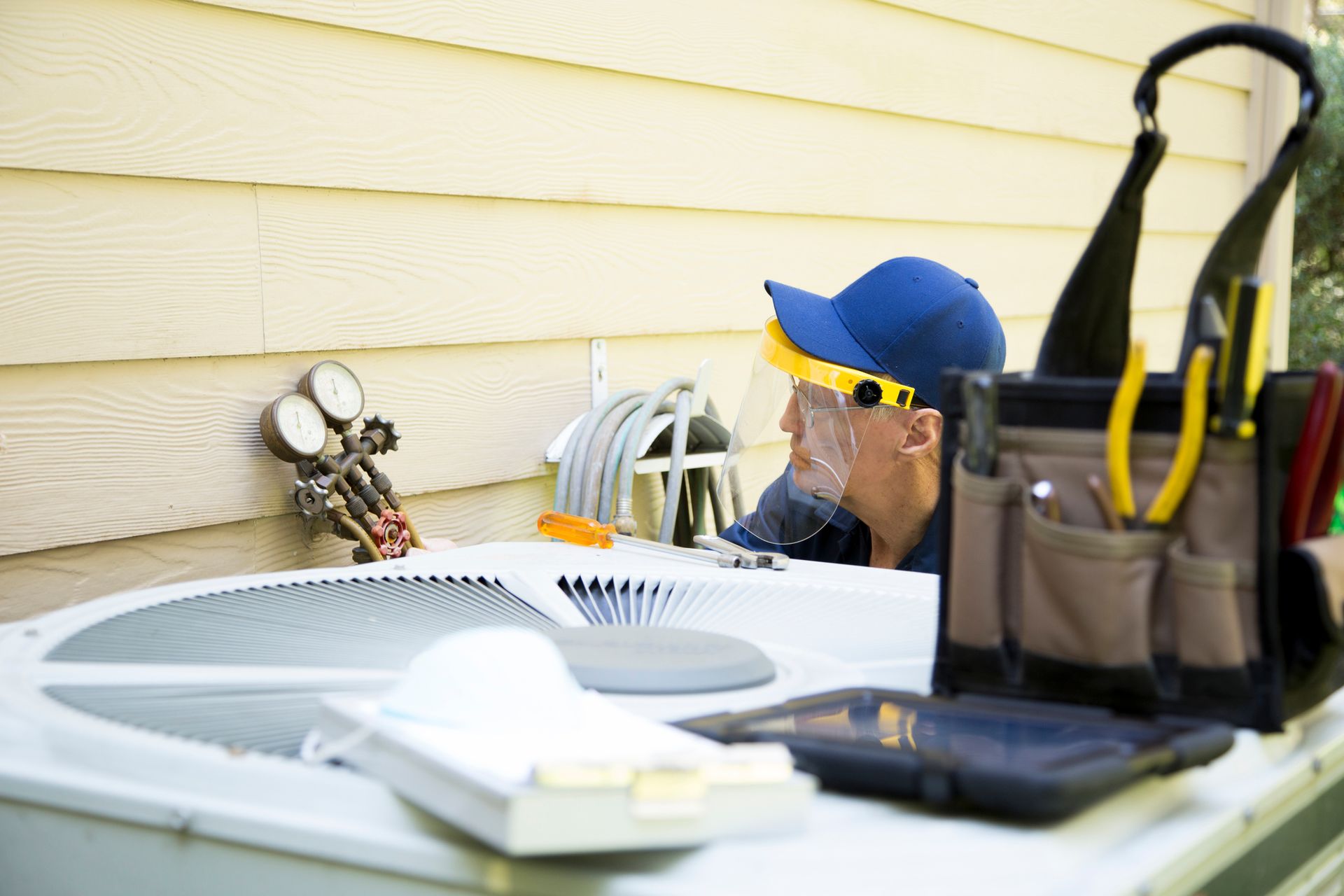
A tune-up often includes checking electrical components, refrigerant levels, thermostat operation, airflow, and overall system performance. The technician may also clean key parts where needed and test the system under normal operation.
Here are some FAQs about lease clauses and tenant expectations.
FAQ 1: What wording should I use for filter changes and reporting issues?
Plain language works best. For example: “Tenant agrees to replace or clean AC filters every 30 days while in use and to report any HVAC issues in writing within 24 hours of noticing a problem.”
FAQ 2: Can I charge a fee if a tenant refuses access for a scheduled tune-up?
Some landlords add a clause stating that missed appointments caused by the tenant can lead to a service fee. Always explain this clearly at lease signing.
FAQ 3: How do AC responsibilities change for short-term or furnished rentals?
For short-term rentals, owners often keep full control of HVAC care and do not expect guests to change filters. Cleaning staff or property managers can handle basic checks between guests.
FAQ 4: Should I include a separate HVAC addendum for multi-unit properties?
Many landlords like a separate HVAC addendum for multi-unit buildings so every tenant has the same rules and expectations in writing.
FAQ 5: How detailed should the move-in HVAC walkthrough be?
The more detail, the better. Show the tenant the thermostat, filter location, and main vents, and note any existing marks or wear in writing and photos.
Finally, some FAQs about costs, warranties, and legal concerns.
FAQ 1: Do I risk voiding my HVAC warranty if I skip annual professional tune-ups?
Many manufacturers expect regular professional service, and skipping it can cause warranty issues. Keeping tune-up records is a smart way to protect that coverage.
FAQ 2: What if the AC fails during a heat wave and the system has not been maintained?
Lack of maintenance can make repairs harder and may create more risk for complaints or disputes. Regular service helps show that the landlord is taking reasonable steps to keep the home comfortable.
FAQ 3: Is it better to offer rent credits or portable units during major AC repairs?
Some landlords choose to offer temporary help like portable units or fair rent adjustments during long repairs. The best choice depends on the situation and the lease terms.
FAQ 4: How can I document AC maintenance to protect myself?
Save tune-up receipts, keep a simple service log, and store photos from move-in and any major work. Share key records with tenants when repairs are done so everyone is on the same page.
FAQ 5: How does working with one HVAC company help with warranties and records?
Using the same company creates a clear service trail for each property. This makes it easier to show that you have cared for the system if warranty questions or tenant concerns ever come up.
Keep Your Home Comfortable With a Pro AC Tune-Up
If you are ready to prevent unexpected breakdowns and improve your system’s efficiency, schedule your AC tune-up in Collin County with Airmax Air Conditioning & Heating today. Our technicians will inspect, clean, and fine-tune your system so it performs reliably when you need it most. To set up an appointment or ask questions about your options, simply contact us and we will help you get started.