Stop Office Thermostat Wars and Boost Productivity
Office comfort is not a small issue. When some people are wrapped in sweaters while others are fanning themselves, it hurts focus and morale. The thermostat becomes a battleground, and productivity drops as everyone argues about a few degrees instead of getting work done.
Hot and cold spots do more than annoy people. They can lead to more sick day complaints, headaches, dry throats, and even issues for sensitive equipment like servers or printers. Many offices try to fix this by just lowering the thermostat setpoint, which usually makes some areas even colder while problem areas still feel warm.
The real fix starts with proper commercial air balancing, smart zoning, and the right mix of VAV boxes, dampers, and thermostat placement. Those tools let your system send the right amount of conditioned air to the right spots at the right time. For businesses in
Little Elm, Collin County, and North Dallas, where summer heat pushes office HVAC systems hard, a good commercial HVAC service in Collin County can make a big difference in both comfort and energy use.
Why Offices Develop Hot and Cold Spots
Most office comfort problems are not random. They usually have clear causes that add up over time.
Common reasons an office ends up with hot and cold spots include:
- Poor or outdated duct design that never matched how the building is used
- Aging HVAC equipment that struggles to move enough air
- Blocked or closed vents thanks to furniture, storage, or “DIY” fixes
- Unbalanced airflow from previous changes that were never re-checked
- Remodels, new cubicles, or added offices that changed the layout
Heat load is not the same in every room. Some areas will always need more cooling or heating, like:
- Rooms with large south or west-facing windows that get strong sun
- Server or IT rooms with lots of electronics
- Conference rooms that swing from empty to packed
- Open office areas with many people and computers
Thermostat placement also plays a big role. If your main thermostat is in a hallway, near exterior doors, in direct sunlight, or close to a supply vent, it will not “feel” what the rest of the office feels. The system may shut off early because that one spot is cool, while interior offices are still warm. Or it may run too long trying to cool a sun-soaked wall while people away from the windows get chilled.
Over time, these small design and layout choices lead to uneven temperatures, noise complaints, and constant tweaks that never seem to fix the real problem.
How Air Balancing, VAV Boxes, and Dampers Work Together
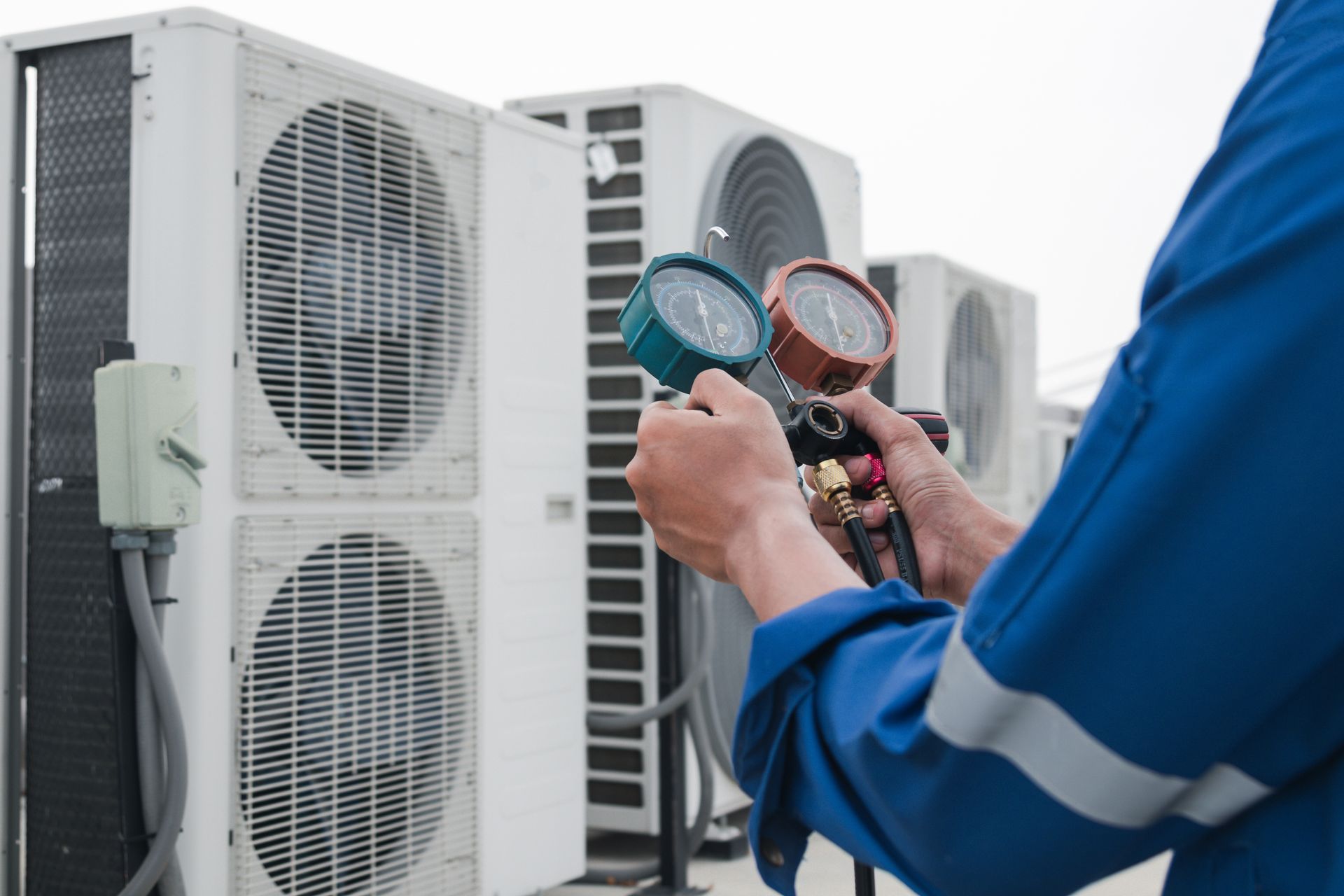
Air balancing is the process of measuring and adjusting airflow so every area gets the right amount of conditioned air. In a commercial office, this means our technicians take readings at diffusers and returns, compare those numbers to design targets, then adjust the system so actual airflow matches what each space needs.
In many light commercial buildings, especially in growing areas like Collin County, this may involve:
- Checking supply and return registers for each area
- Measuring temperature and airspeed at vents
- Adjusting dampers inside the ductwork
- Verifying that fans and blowers are working correctly
VAV (Variable Air Volume) boxes are a big help in modern office setups. They control how much air goes into a specific zone by opening or closing an internal damper based on the zone’s thermostat reading. When a zone needs more cooling, the VAV box opens to let more air in. When it is satisfied, the box partly closes to reduce airflow and avoid overcooling.
This makes VAV systems ideal for offices with:
- Different room uses, like conference spaces, offices, and open work areas
- Changing occupancy throughout the day
- Areas with different sun exposure and equipment loads
Dampers are another key piece. Manual dampers are typically set during balancing and then left alone, while motorized dampers can move based on signals from a thermostat or building control system. They help fine-tune how much air travels down each duct branch, so over-conditioned spaces get a bit less and warm or stuffy zones get more.
A professional commercial HVAC service in Collin County, such as a team that regularly handles
light commercial AC systems, can:
- Test existing VAV boxes and dampers
- Diagnose stuck or failed parts
- Adjust settings to match real world needs
- Recommend updates where needed for long-term comfort
Smarter Zoning and Thermostat Placement for Even Comfort
Zoning means dividing your office into separate areas that can be controlled by their own thermostats and dampers or VAV boxes. Instead of one thermostat trying to control an entire floor, each zone gets its own temperature “say.”
Typical zones in an office might include:
- Open office or cubicle areas
- Private offices along the exterior walls
- Conference rooms and training spaces
- Lobby or reception area
- Break rooms and kitchens
Good thermostat placement is just as important as zoning. A thermostat should be:
- Away from direct sunlight and windows
- Clear of drafts from supply vents or exterior doors
- Not near heat sources like copy rooms or kitchen equipment
- Mounted at about breathing height in a spot that reflects the average comfort of that zone
With multiple thermostats, design matters. When the controls, dampers, and VAV boxes are set up correctly, the thermostats work together instead of fighting each other. Facilities staff get clear information about each zone and can adjust schedules and setpoints without starting a tug-of-war between different areas.
Modern controls can go even further. Programmable and smart thermostats, or simple building automation setups, can:
- Set different temperatures for work hours, nights, and weekends
- Adjust zones based on occupancy patterns
- Help manage the swing from hot North Texas summers to cool winter mornings
- Reduce strain on both AC and light commercial heating systems
This leads to steadier comfort and better control of energy use across your building.
Seasonal Tune-Ups and When to Call a Pro
Late summer is often when hot and cold spots feel the worst. The system is running hard, outdoor temperatures stay high into the evening, and any weak points in your setup really show. That makes mid to late summer a smart time to look at balancing and zoning before complaints peak.
A professional air balancing and zoning assessment usually includes:
- Measuring supply and return airflow at key locations
- Inspecting ductwork for damage, blockages, or poor connections
- Checking and adjusting dampers, VAV boxes, and control wiring
- Reviewing thermostat locations and settings
- Testing overall system performance for both cooling and heating modes
Signs that it is time to bring in a commercial HVAC expert include:
- More staff complaints about being too hot or too cold
- Certain rooms that never feel right, no matter the setpoint
- Rising energy bills even though comfort is worse
- Noisy ducts, whistling vents, or strong drafts in some spots
- Big temperature swings between different parts of the office
Proactive maintenance and occasional rebalancing help keep your equipment running smoothly, reduce wear and tear, and support a longer life for your HVAC system. This is especially important for offices and light commercial spaces that have seen layout changes, tenant turnover, or added equipment over the years. A team that already knows local buildings and
service areas in Collin County and North Dallas is often quicker to spot common local issues.
Frequently Asked Questions About Commercial Air Balancing and Zoning
What is commercial air balancing and how long does it take?
Commercial air balancing is the process of measuring and adjusting airflow and temperatures so each area of your office gets the comfort it needs. The time it takes depends on the size of your building and how complex the HVAC system is. A small office with a simple layout may be done fairly quickly, while larger, multi-zone buildings will take longer because there is more equipment and ductwork to test and adjust.
Do I need new ductwork to fix hot and cold spots?
Not always. Many hot and cold spots can be improved by adjusting existing dampers, setting VAV boxes correctly, and fixing layout issues like blocked vents or poor thermostat placement. New ductwork or a redesign is usually recommended only when the current system is undersized, badly damaged, or simply cannot move enough air to certain areas no matter how it is adjusted.
How does zoning affect my energy bills in an office?
Zoning lets you condition only the areas that are in use, instead of blasting the same amount of air to every room all the time. You can give busy zones more comfort during work hours and set back temperatures in empty rooms, storage areas, or parts of the building that are not used as much. This reduces waste and often leads to lower energy use, especially during evenings and weekends.
How often should my office HVAC system be balanced?
Most offices do well with air balancing when the system is first installed, then again when there are big changes, such as remodels, new walls, changes in occupancy, or equipment upgrades. If you notice new hot and cold spots after a layout change, or if comfort complaints start to increase, it is a good time to have the system checked and rebalanced. Regular HVAC maintenance visits are also a good chance to review whether airflow is still matching your building’s current needs.
Why should I use a local commercial HVAC service in Collin County?
A local, family-owned provider that works in Collin County and the North Dallas area every day understands our climate, common building designs, and local code requirements. They are familiar with how long, hot summers and shifting use of office space affect HVAC performance. That local experience helps them spot patterns quicker and recommend air balancing, zoning, and thermostat solutions that fit how businesses in our area actually operate.
Get Started With Your Project Today
If you are ready to improve comfort and reliability in your building, we are here to help you plan the right solution. Our team at Airmax Air Conditioning & Heating provides trusted commercial HVAC service in Collin County tailored to your facility, budget, and schedule. Tell us about your system challenges, and we will recommend clear, practical next steps. To schedule service or request a quote, simply contact us.