Sleep Better with Quieter Heating and Cooling
Light sleepers know that one loud AC start-up can ruin a whole night. You finally drift off, then the outdoor unit kicks on with a thud, the hallway return roars to life, and the ducts above your bedroom creak and whistle. By morning you feel like you hardly slept at all.
Quiet comfort is possible. With modern HVAC design, smart maintenance, and the right service partner, you can calm a noisy system without giving up cooling or heating power. At Airmax Air Conditioning & Heating, we work in homes across
The Colony, Collin County, and North Dallas every day, so we see the same layouts and the same noise complaints again and again. That local experience helps us find real fixes that match how homes here are actually built and used.
Why Your HVAC System Keeps You Awake at Night
Most HVAC noise comes from a few common spots. When we visit homes for a noise complaint, we usually find one or more of these issues:
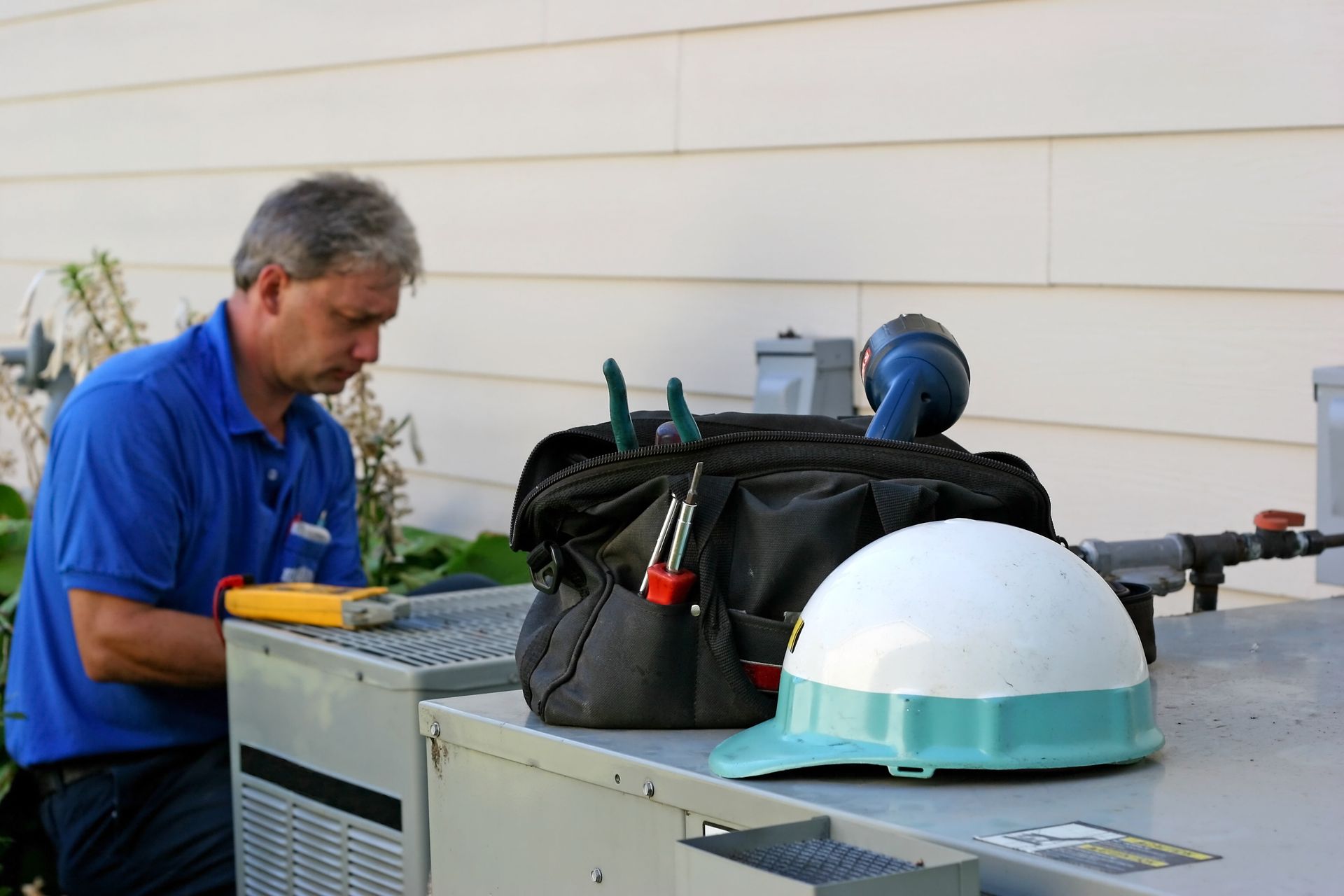
- Outdoor condensing unit buzzing, humming, or shaking the wall or slab
- Indoor blower fan that roars to full speed the second it turns on
- Ductwork that pops, bangs, or ticks as it heats and cools
- Return grilles in hallways or bedrooms that sound like a wind tunnel
As systems age, they often get louder. A unit that was fairly quiet when it was new can start to rattle and hum over time. Reasons include loose screws, worn fan motors, dirty coils, and clogged filters that make the blower work harder. This really shows up during peak summer use around July when the system runs almost nonstop.
The way your house was built also plays a big role. Noise often gets worse when:
- Flexible duct runs are routed right over bedrooms
- Return air vents are undersized, so air rushes and whistles
- Air handlers or furnaces sit in a closet or attic directly under or above sleeping areas
- Supply vents are aimed straight at the bed or headboard
In many Collin County homes, especially two-story houses, the upstairs gets the worst of it because the equipment or ductwork is so close to the bedrooms.
Quiet HVAC Upgrades Light Sleepers Love
If your current system is older or very loud, some upgrades can make a big difference for light sleepers. Newer HVAC equipment is designed to run longer at lower speeds instead of blasting on and off all night.
Here are some quieter equipment options:
- Variable-speed air conditioners that slowly ramp up and down instead of slamming on
- High-efficiency furnaces with variable-speed blower motors
- Inverter-driven heat pumps that match output to your exact comfort needs
Instead of short, loud cycles, these systems often run at a gentle, steady level. That can feel more comfortable and sound more like a soft background hum.
There are also add-ons that help cut noise, especially near bedrooms:
- Vibration isolation pads under outdoor units to keep shaking out of the house
- Sound-blanket-style compressor covers to soften outdoor noise
- Insulated air handler cabinets to quiet indoor blower sounds
- Better duct insulation around bedroom runs to stop rattles and echo
For many homes, combining a
modern AC system with smart sound control around the ductwork is the sweet spot. The goal is to balance quiet operation, energy efficiency, and your budget, whether it is a home or a small office that needs to stay comfortable at night.
Service, Maintenance, and Smart Design That Cut Noise
You do not always need new equipment to lower noise. Often, a focused maintenance visit and some design tweaks can bring the volume way down.
Regular professional tune-ups twice a year, before peak seasons, can catch problems like:
- Loose fan blades or panels that rattle
- Worn motors that buzz or whine
- Dirty coils and clogged filters that make air roar through ducts
- Unbalanced airflow that turns vents into whistles
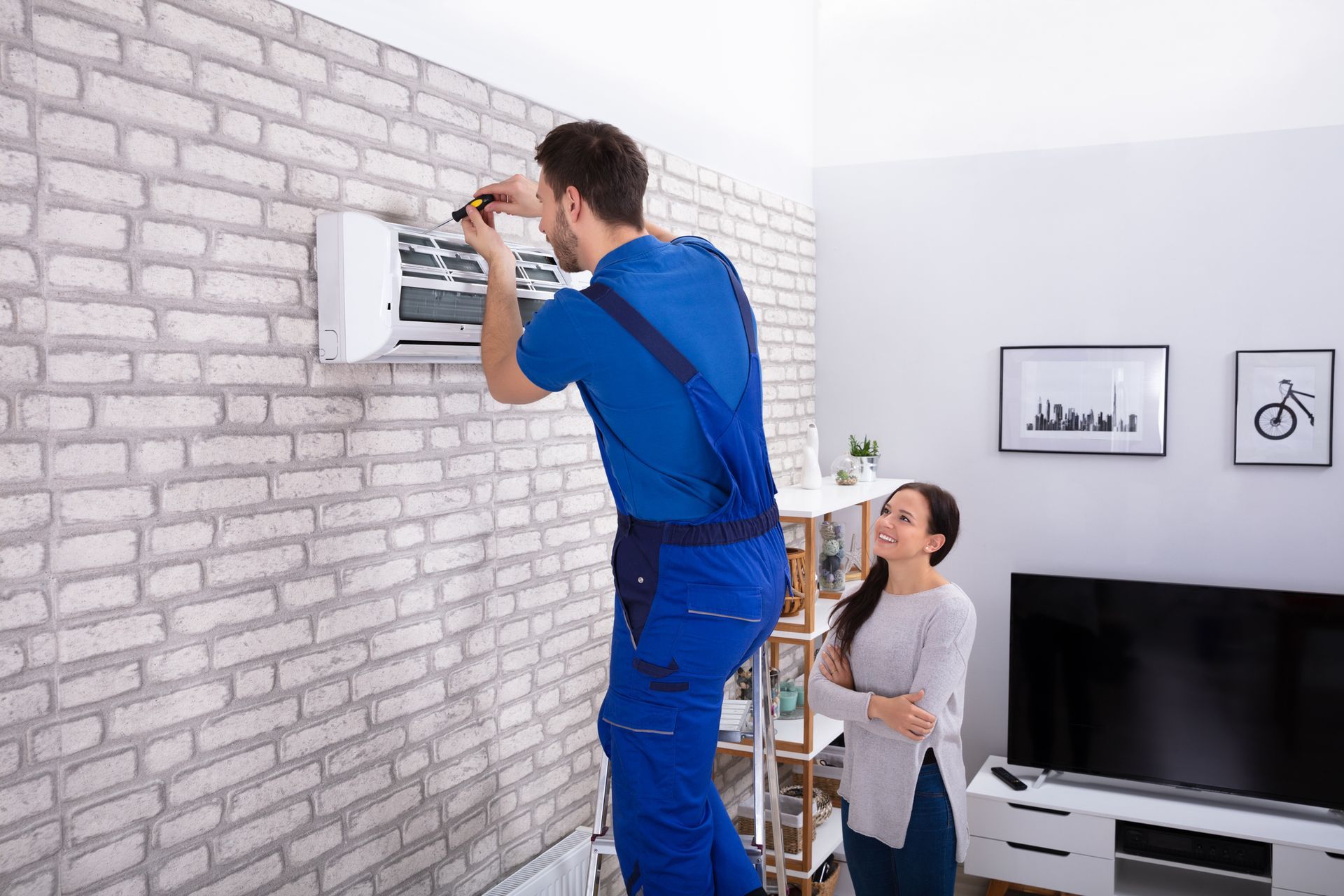
During a visit, a trained technician can tighten panels, check mounts, inspect electrical connections, and clean parts that are straining. They can also look at your duct system for loose connections, gaps, or crushed runs that cause noise and poor airflow. At Airmax, we often find that sealing and adjusting ducts not only cuts sound, and it also helps rooms cool more evenly.
Homeowners can help a little between visits by:
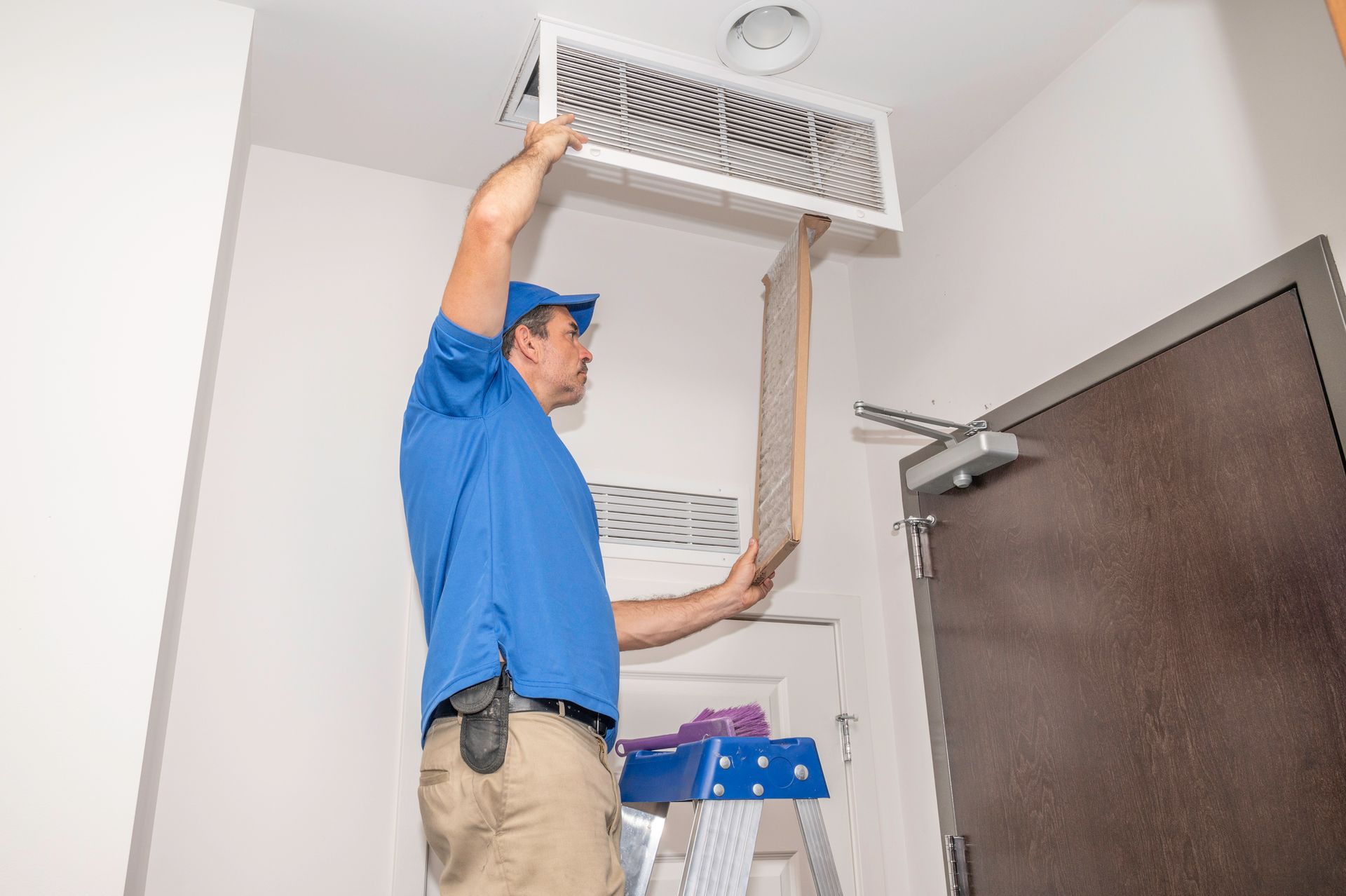
- Keeping filters clean and replacing them on a regular schedule
- Clearing leaves, grass, and clutter away from the outdoor unit
- Noticing new rattles or banging and getting them checked early
But anything beyond simple checks is best handled by an HVAC professional. What sounds like a minor hum can point to a bigger issue if it is ignored, especially in the middle of a North Texas summer.
Good system design also matters. Quiet comfort starts with:
- Correctly sized equipment so it is not oversized and short cycling
- Duct layouts that avoid long, wobbly flex runs over bedrooms
- Supply and return vents placed away from pillows and headboards
- Airflow that is balanced so no single vent is roaring while others barely blow
Zoning can be a great tool for light sleepers too. A well-planned zoning system can keep bedrooms comfortable at night while letting the system run at lower fan speeds. That means less noise while still keeping upstairs rooms cool even when it is hot and sticky outside. When we design or update systems, we often look at bedroom comfort as a separate priority from the rest of the house.
If you are not sure how your own system is laid out, a design review can be eye-opening. A visit focused on noise can uncover simple changes like adding noise-reducing dampers, adjusting duct runs, or relocating especially loud components when space allows. Our
service across Collin County gives us a good sense of what works in local home styles.
How Airmax Keeps Collin County Homes Peaceful
As a family-owned HVAC company based in the North Dallas area, we spend a lot of time in the same subdivisions, townhomes, and older neighborhoods across Collin County. We see the patterns: attic units over primary suites, hallway returns next to nursery doors, outdoor units set on slabs right under bedroom windows.
That local knowledge matters for light sleepers. When we visit a home, we listen carefully to where and when you hear noise. Then we match that to what we know about similar homes nearby. Our goal is not just to fix what is broken, but to calm down what is annoying.
For example, an inspection might lead us to:
- Suggest quieter blower settings or fan profiles on existing equipment
- Recommend sealing and insulating certain ducts instead of replacing everything
- Plan a future system replacement with quieter technology when your old unit is ready to retire
- Time a tune-up before the hottest months so the system runs smoother when it is working its hardest
Whether we are doing
heating service in winter or AC work in summer, we always keep noise and comfort in mind for the rooms where your family actually sleeps.
Frequently Asked Questions About Quiet HVAC Service
How Loud Should My AC Be Inside the House at Night?
You should hear a gentle hum and steady airflow, not banging, screeching, or shaking. A quick whoosh when the system first starts is common, but the sound should settle into a soft, steady level. If you notice roaring vents, loud rattles, or a start-up that wakes you up every time, it is a good idea to have a professional check the system.
Can Regular HVAC Maintenance Really Make My System Quieter?
Yes, in many homes it can. During maintenance, a technician can tighten loose panels, clean dirty coils, replace worn parts, and balance airflow so vents are not whistling. We recommend service in spring for cooling and fall for heating, so your system is running as quietly and smoothly as possible before peak use.
What HVAC Upgrades Help the Most for Light Sleepers?
For most light sleepers, the biggest wins come from:
- Variable-speed or inverter-driven systems
- Duct improvements near bedrooms
- Added insulation and sound dampening around key components
When we visit homes, we often look at these options first, along with control settings that can keep fan speeds lower at night. If you are planning new
air conditioning equipment, it is a great time to talk about quieter models.
Is a Quiet HVAC System Less Powerful or Less Effective?
A quiet system is not automatically weaker. In many cases, quieter, high-efficiency systems are better at keeping temperatures steady because they run longer at lower speeds. When equipment is sized and installed correctly for your home, you can have both quiet operation and strong comfort.
How Do I Know If My Current HVAC Noise Is a Sign of a Bigger Problem?
Pay attention to new or changing sounds. Warning signs include:
- Grinding, screeching, or metal-on-metal noises
- Loud banging that repeats often
- Sudden buzzes or hums that were not there before
- A unit that starts much louder than it used to
These can point to loose or failing parts that may lead to a breakdown if ignored. When in doubt, it is safer to have a local HVAC professional in Collin County take a look. A
timely service visit can often stop a small noise problem from becoming a big comfort problem later.
Restore Comfort With Trusted Local HVAC Experts Today
If your heating or cooling system is struggling, we are ready to get your home comfortable again with reliable HVAC service in Collin County. At Airmax Air Conditioning & Heating, we take the time to inspect your system carefully and explain the best repair or maintenance options for your needs. Reach out to our team today through our contact page to schedule your service or ask a question.