Unexpected AC Odors in Collin County Homes: What They Mean
We all know an AC in Prosper & Collin County works hard. When the heat settles in, your system can run for hours at a time, day after day. That is exactly why odd smells from your vents feel so strong and so hard to ignore. They are not just annoying. They can be signs of trouble.
Strange AC odors can point to safety hazards, damage inside your equipment, or air quality problems that affect your family’s health. In this guide, we will walk through common AC smells, what they usually mean, simple things you can look for, and when it is time to call for professional AC repair in Collin County so small issues do not grow into big headaches.
Musty or Mildew Smell From Your Vents
A musty smell, like a damp closet or old basement, usually means moisture is hanging around where it should not. With our humid North Texas summers, that is very common. Your AC pulls humidity out of the air, and if that moisture does not drain away, it can lead to:
- Mold or mildew on the evaporator coil
- A clogged or slow condensate drain line
- Damp spots inside the air handler or nearby ductwork
When mold or mildew starts growing, the smell spreads through the vents and into every room. That can be more than just unpleasant. For people with allergies, asthma, or other breathing issues, these spores can make symptoms worse and cause coughing, sneezing, or irritation.
Some safe things homeowners can check include:
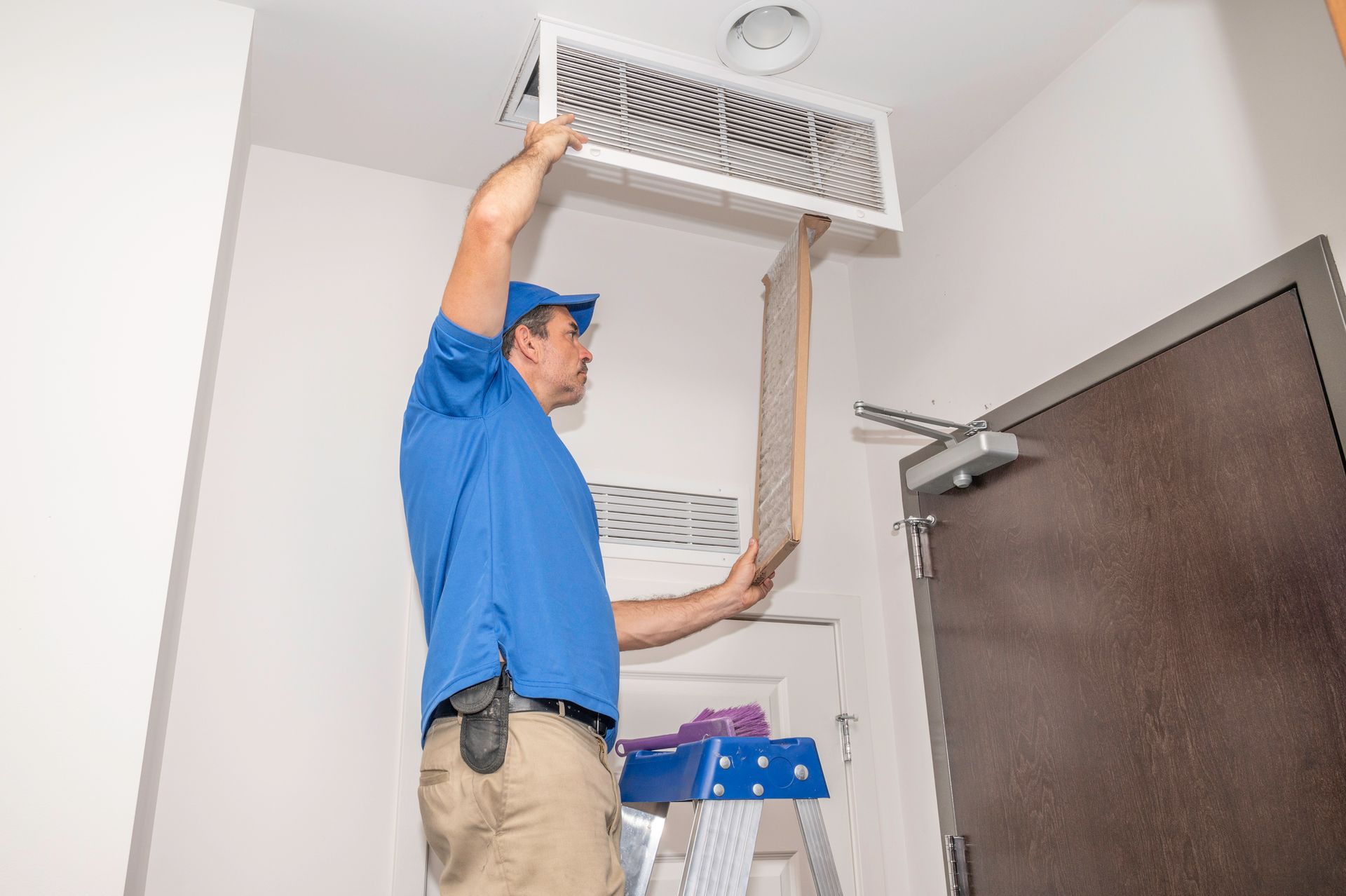
- Make sure the air filter is clean and installed correctly
- Look for obvious standing water around the indoor unit
- Listen for gurgling or dripping that sounds unusual
More than that usually calls for a professional. If the musty smell is strong, does not fade, or returns quickly after you change the filter, the system may need a deeper cleaning. A trained technician can inspect the coil, drain line, and ductwork, then recommend the right fix. If your home often struggles to stay cool, pairing odor concerns with a full
air conditioning repair visit can be very helpful.
Burning, Electrical, or Rotten Egg Smells
Not all smells are equal. Some warn you to shut things down right away.
A light “burning dust” smell when you first turn on your system after it has been off for a while can be normal. Dust gathers on the heat strips or other parts, then burns off the first time they warm up. This odor usually:
- Is mild
- Fades after a short time
- Does not return once the dust is gone
On the other hand, sharp electrical or plastic-burning smells are not normal. These odors can mean:
- An overheating blower motor
- Loose or damaged wiring
- Failing electrical components
If you notice a strong burning or electrical smell that does not clear quickly, turn the system off at the thermostat and do not keep running it. Continuing to use it can risk further damage or, in serious cases, create a fire hazard. At that point, it is time to schedule professional AC repair in Collin County.
Rotten egg or sulfur smells are in their own category. A strong rotten egg odor can point to a possible natural gas issue near a furnace or nearby gas line. If you smell that:
- Leave the home right away
- Do not flip switches or use anything that could cause a spark
- Contact your gas company from a safe location
Only after the gas company says it is safe should anyone inspect HVAC equipment.
You might also notice foul sewage odors near vents, especially when the air handler is close to plumbing lines. Dry drain traps or a plumbing vent issue can allow sewer gas into your home. There are also times when a “dead animal” smell comes from ductwork if pests find their way into attic or crawlspace runs. In both cases, professional help is needed to locate the source, clean affected areas, and remove the odor safely.
Sweet, Chemical, or Exhaust-Like Odors
Some AC odors are less obvious than mold or burning smells but still matter.
Sweet, chemical, or chloroform-like odors can be a sign of a refrigerant leak. Not every leak has a strong smell, but when it does, you may notice:
- Sweet or chemical scent near the indoor or outdoor unit
- Longer run times and poor cooling
- Ice on the refrigerant lines or coil
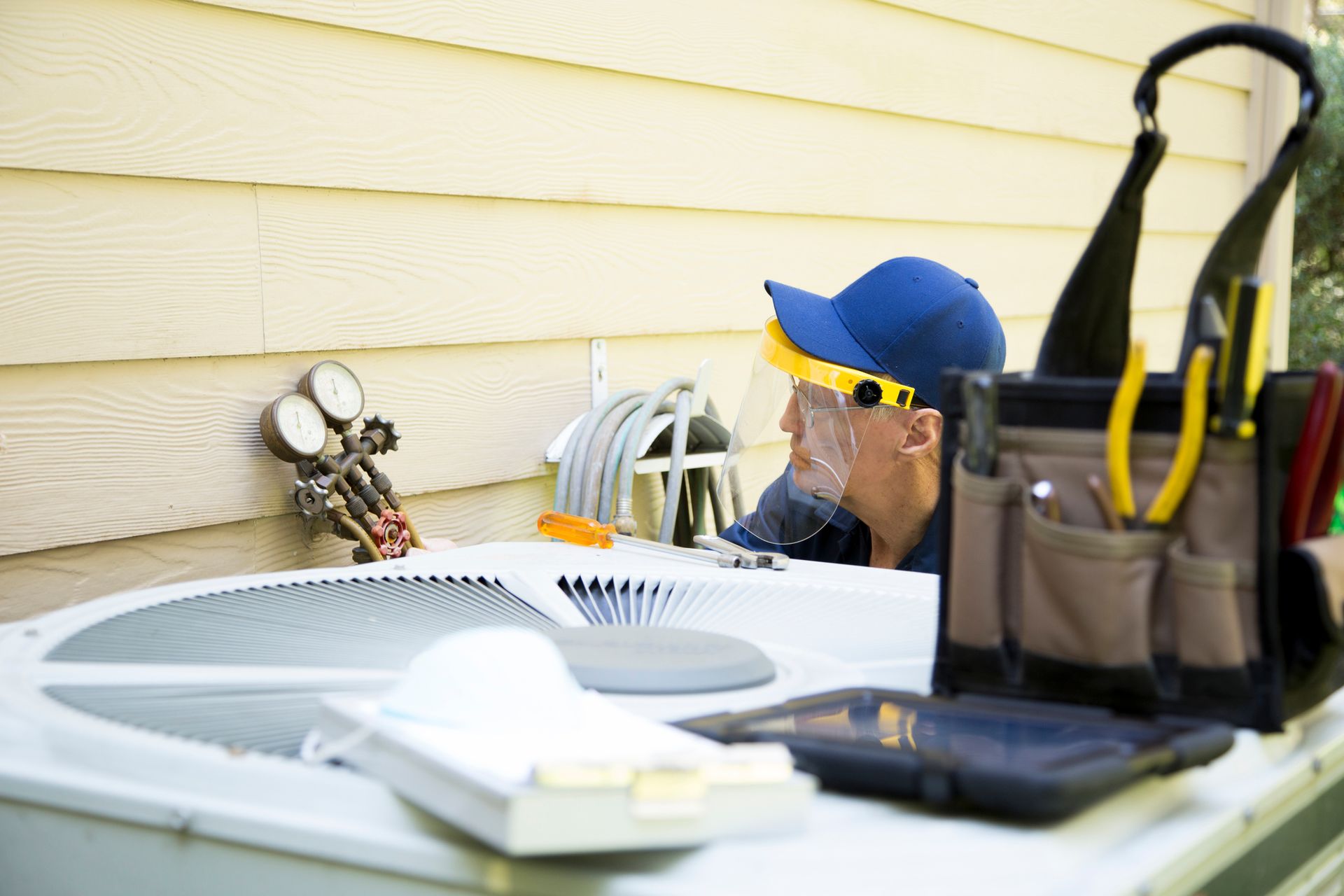
Refrigerant handling is not a DIY project. Only trained HVAC technicians who are allowed by law to work with refrigerant should find and repair leaks, then recharge the system. If you think your system is low on refrigerant or not cooling well, it may be time to start looking at a full
air conditioning service check to see what is going on.
Exhaust or car-fume-type smells are more common when a gas furnace or packaged unit shares space with your AC system. These odors can come from:
- Venting problems that let exhaust drift back inside
- Cracked or damaged heat exchangers on heating equipment
Since exhaust can include carbon monoxide, this is a safety concern. Any exhaust-like odor near supply vents or around HVAC equipment should be checked by a professional before you continue to use the system.
Other chemical smells can be less serious but still annoying. Strong paint, cleaning product, or garage fumes can be pulled into return air and spread through the home. Better ventilation, careful use of chemicals, and sealing duct leaks can all help reduce this.
DIY Checks, Professional Help, and Breathing Easier
There are a few basic things most homeowners can safely do when they notice a new smell and are trying to figure out what is happening:
- Replace an old or dirty air filter
- Make sure supply vents and return grilles are open and unblocked
- Keep debris, tall grass, and trash away from the outdoor unit
- Look for obvious standing water around the indoor unit
If the odor is mild and goes away after these steps, it may have been a small, short-term issue. But some smells are red flags and always deserve professional help, such as:
- Strong electrical or burning odors
- Any gas or sulfur smell
- Sweet chemical odors that hint at refrigerant
- Musty or mildew smells that stay, even after filter changes
When problems keep coming back, it might be time to think beyond basic fixes and consider whether your system is the right size or age for your home. In those cases, a technician can explain your repair options and, when it makes sense, talk about newer equipment and
air conditioning installation choices that may improve comfort and air quality long term.
Ongoing care also matters. Regular maintenance visits, especially before heavy cooling or heating seasons, help catch small issues like partial clogs in a drain line or loose electrical connections before they create odors or breakdowns. If your system struggles in both summer and winter, combining AC checks with
heating repair and service can keep your whole HVAC setup working more smoothly.
Cleaner air is not just about fixing what smells bad right now. Upgrades like higher quality filters, properly sized return air, and other indoor air quality solutions can reduce dust, mold, and other sources of odors. That helps your Collin County home feel fresher and more comfortable every day.
Frequently Asked Questions About Unexpected AC Odors
Why Does My AC Smell Musty Every Time It Starts?
A musty smell at startup often means moisture is sitting on the evaporator coil or in the drain pan between cycles. If the filter is dirty or the drain line is partly clogged, mold and mildew can grow in those damp spots. A quick burst that fades can be minor, but if the musty odor lingers or gets stronger whenever the AC runs, it is time for a professional to check the system.
Is a Burning Smell From My AC Dangerous?
A light dusty odor the first time the system runs after being off for a long break can be normal and should fade quickly. A strong burning, rubber, or electrical smell is different and can mean overheating parts or wiring problems. If you notice that kind of odor, turn the system off and have an HVAC technician inspect it before using it again.
What Should I Do If My AC Smells Like Rotten Eggs?
Treat any rotten egg or sulfur smell as very serious. Leave the home right away, avoid turning lights or appliances on or off, and contact your gas company from outside or from a neighbor’s home. After the gas utility confirms that everything is safe, an HVAC professional can take a closer look at the equipment if needed.
Can a Refrigerant Leak Cause a Smell in My Home?
Some refrigerants can create a sweet, chemical, or chloroform-like smell, especially near the indoor unit. A leak can also cause poor cooling, long run times, or ice on the lines. Refrigerant leaks are not something to fix on your own. An HVAC technician should locate the leak, repair it, and recharge the system properly.
How Can I Prevent Bad AC Smells in the Future?
Good habits go a long way. Change your air filter on a regular schedule, keep the indoor and outdoor units clear, and check now and then for standing water around the air handler. Annual professional maintenance helps keep the drain line open, the coil cleaner, and the system running smoothly. Many Collin County homeowners also use indoor air quality options to keep their systems cleaner and reduce odors over time.
Restore Comfort To Your Home With Fast, Reliable Service
If your system is struggling to keep up, our team at Airmax Air Conditioning & Heating is ready to help with expert AC repair in Collin County tailored to your home and budget. We thoroughly inspect your equipment, explain your options clearly, and complete the work with care so you can feel confident in your comfort again. Reach out today to schedule a visit or request a quote through our contact page.