When Indoor Air Quality Testing in Collin County Finds Mold
Indoor air quality testing in Collin County can be a wake-up call. Many homeowners schedule testing before spring allergy season to see what is floating around inside the house. Instead of just dust and pollen, the report sometimes shows elevated mold levels they did not expect.
Spring is a common time for problems to show up. We get warmer temperatures, more storms, and shifts in humidity. AC systems start running harder, and any hidden moisture issues are easier to spot in test results. When mold shows up on an indoor air test, it can feel scary, but it is really an early warning that something in the home or HVAC system needs attention.
A positive mold finding does not always mean a crisis, but it does mean you should take it seriously. It can affect your family’s comfort, your health, and even your home’s value if it is ignored. As a local HVAC company serving Collin County and the greater Dallas area, we help homeowners understand what those results mean, what indoor air testing can and cannot tell you, and what steps to take next to protect your home air.
What Indoor Air Quality Tests Really Show About Mold
Indoor air quality testing in Collin County usually looks at several things inside the home. Depending on who performs the test, it may measure:
- Mold spores and other airborne particles
- General particulates like dust and dander
- Humidity levels and temperature
- Possible chemical vapors from cleaners, paints, or building materials
When mold shows up, the report may list the types of spores found and the general level, such as low, moderate, or high. Some tests compare indoor samples to outdoor samples. If indoor levels are much higher than outside, that can be a sign there is a source of mold growth inside the home.
Common methods include:
- Air sampling to capture what you are breathing
- Surface sampling by mold specialists if they see suspicious spots
- Humidity readings and temperature checks
- Visual inspection of HVAC equipment, ducts, and vents
Air testing can suggest that mold is present and give clues about the type. But it does not always show the exact location. That may require a closer inspection of areas like:
- Attics with poor ventilation
- Bathrooms without good exhaust fans
- Kitchens and laundry rooms
- Spaces around AC air handlers or condensate drains
This is where a professional HVAC contractor is especially helpful. We focus on how your AC and heating system, ductwork, and ventilation are affecting air movement and moisture levels. An isolated mold patch on drywall is one thing. Mold spores spread through ductwork because of improper drainage or airflow is a different issue that calls for HVAC-focused solutions.
If air testing leads to questions about AC performance or possible moisture problems near equipment, a dedicated system check, such as an air conditioning inspection, is usually the next smart step.
Health and Comfort Risks of Mold in Your Home Air
When mold spores are floating in the air, your body can react in different ways. During spring in Collin County, pollen is already high, so mold can add to the load and make symptoms worse.
Milder reactions may include:
- Sneezing and runny nose
- Itchy or watery eyes
- Scratchy throat
- Light headaches or feeling stuffy
More serious concerns may look like:
- Chronic coughing or wheezing
- Tight feeling in the chest or trouble breathing
- Sinus infections that keep coming back
- Symptoms that get better when you are away from home
Certain people are more likely to notice a problem, including children, older adults, and anyone with asthma, COPD, allergies, or a weakened immune system. For these groups, cleaner air is especially important.
Even if no one has major health issues, mold in your air can hurt your comfort every day. You might notice:
- A musty or damp smell that never really goes away
- Visible growth around supply vents or return grilles
- Rooms that feel heavy or muggy even when the AC is on
Not all mold is what people call “toxic,” but any ongoing mold issue is a sign that something is off with moisture control or air circulation in the home. Ignoring that signal can allow small problems to turn into bigger ones.
What to Do When Tests Confirm Mold in Your Air
If indoor air quality testing in Collin County confirms mold, it helps to take things step by step.
First, try to stay calm. Mold is common, and there are clear ways to address it. Go over your test results with a qualified professional who can explain:
- What types of spores were found
- How high the levels are
- Which parts of the home may be involved
Next, look for likely sources. In our experience, common trouble spots include:
- AC and heating components with moisture buildup
- Clogged or leaking condensate lines and drain pans
- Dirty or damaged ductwork that stays damp
- High indoor humidity in tight, closed-up homes
- Recent water leaks, roof problems, or plumbing issues
Your next actions may include:
- A full mold inspection and/or remediation if there is growth inside walls, crawlspaces, or other building materials
- HVAC-focused solutions like duct cleaning when appropriate, sealing leaky ducts, filter upgrades, and repairs to drain lines or other parts of the system
The main goal is to fix root causes, not just wipe away visible spots. That usually means:
- Controlling moisture and humidity
- Improving ventilation and air circulation
- Making sure your AC is sized and running correctly for your home
Addressing these HVAC and humidity issues often brings mold spore levels down and makes any needed remediation more effective and longer lasting. For many homes, it is also a good time to review whether an
air conditioning replacement or upgrade would help handle our North Texas heat and humidity more reliably.
How HVAC Service Helps Restore Healthy Indoor Air
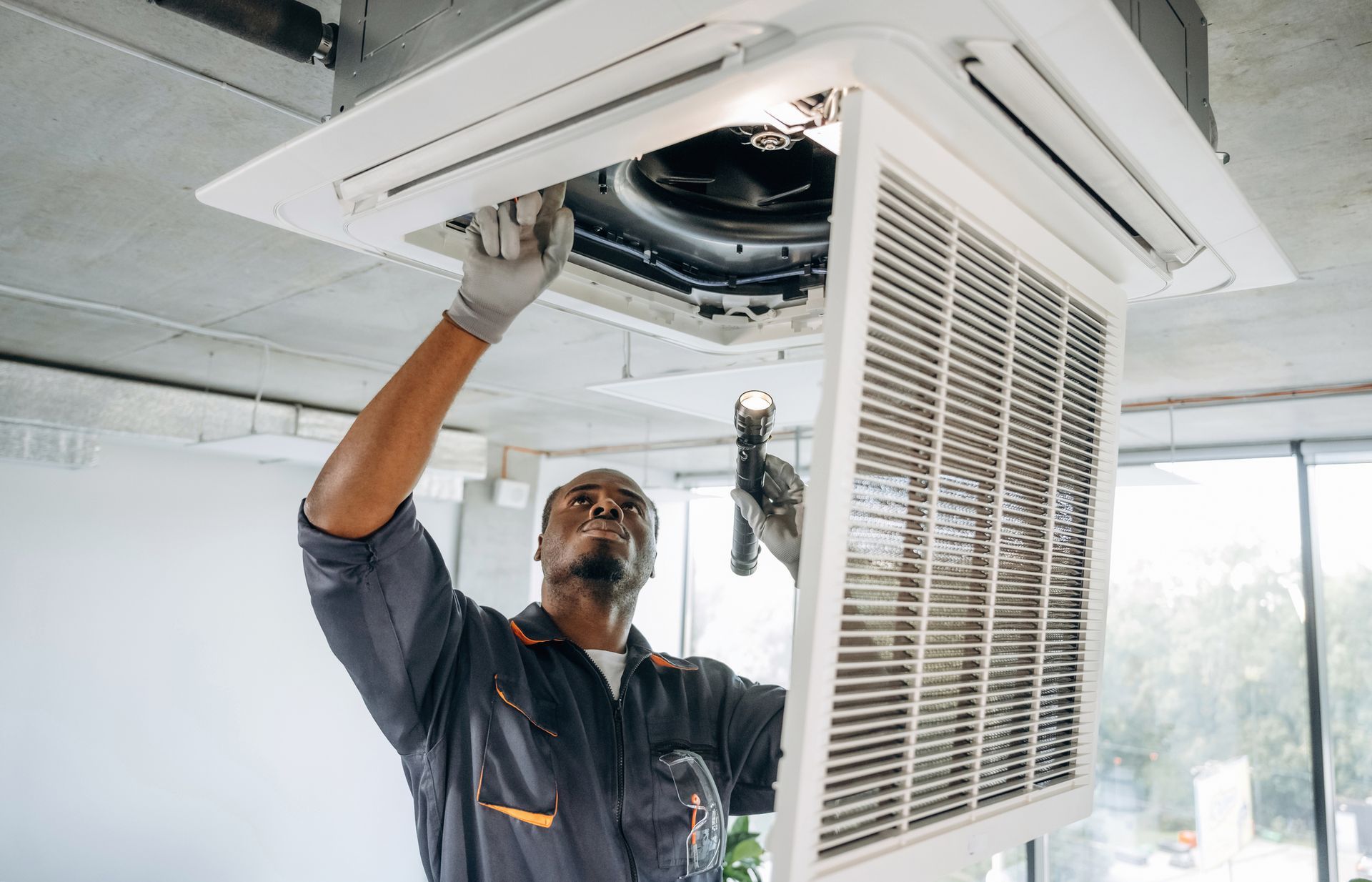
When mold shows up in testing, the HVAC system is one of the first places we look. Our work is focused on the heating and cooling side, not on cutting into walls, so we pay close attention to:
- The air handler and blower section
- Evaporator coils that can stay damp
- The drain pan and condensate line
- Supply and return ducts for dust, gaps, or moisture
From there, we can suggest different solutions, such as:
- High-efficiency air filtration that captures smaller particles and spores
- Whole-home air purification options that treat the air as it cycles through the system
- Humidity management through proper AC performance, dehumidification strategies, and better ventilation
If your system is older or struggling to keep up in humid weather, repair or replacement may be part of the long-term plan. Correct airflow, clean coils, and proper refrigerant charge all help keep surfaces drier and less friendly to mold growth.
Seasonal HVAC maintenance is one of the best tools homeowners have. A thorough spring tune-up usually includes:
- Cleaning indoor and outdoor coils
- Clearing drain lines and checking the drain pan
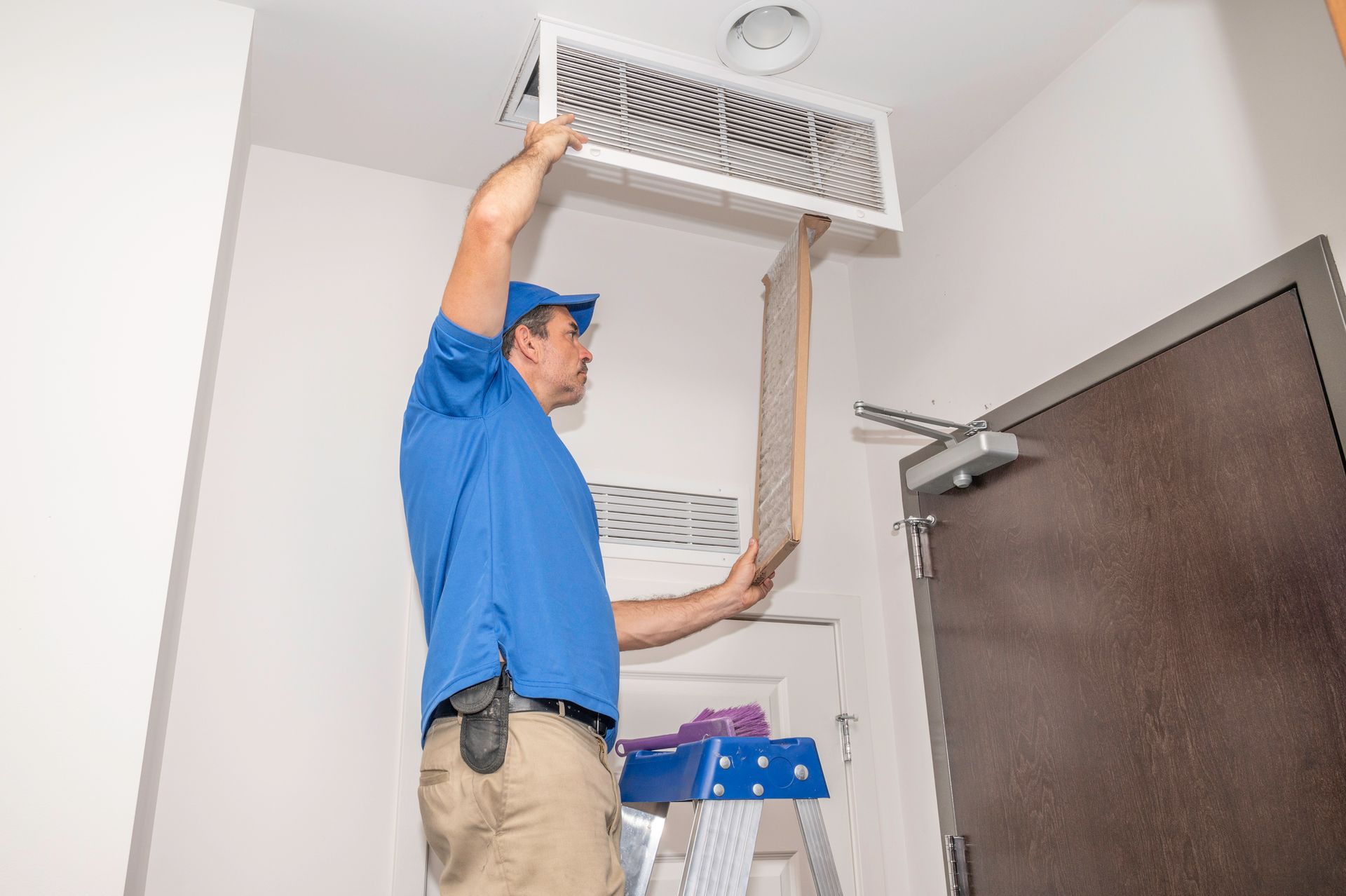
- Verifying airflow and checking filters
- Making sure the system cycles correctly before heavy cooling season
With our local experience in Collin County and the greater Dallas area, we are familiar with common building styles and typical problem spots around AC units and ductwork. That helps us spot mold-related HVAC issues more quickly during
air conditioning service visits or routine checks.
Preventing Future Mold Problems All Year Long
Once you get mold under control, prevention is the next priority. Some practical habits that support better indoor air include:
- Keeping indoor humidity in a comfortable range, often around 40 to 50 percent
- Fixing roof, plumbing, or AC leaks as soon as they show up
- Using bathroom and kitchen exhaust fans during and after showers or cooking
- Not blocking supply or return vents with furniture or curtains
A regular maintenance plan with a trusted HVAC company adds another layer of protection. With scheduled checkups, professional filter changes, and system cleaning, it is easier to catch moisture problems early, before they affect your whole home.
Springtime checks are especially helpful. When your AC is ready before the first long heat wave, there is less chance of surprise condensation issues or drain backups that can feed mold during the summer.
Many homeowners also choose indoor air quality upgrades, such as:
- Better quality filters matched to their system
- UV lights or other air treatment tools inside the HVAC cabinet
- More efficient AC equipment that manages both temperature and humidity more steadily
With a mix of smart home habits and professional HVAC care, most mold-related air quality problems can be controlled and, in many cases, prevented from returning.
Frequently Asked Questions About Mold and Air Testing
1. Does a Musty Smell Always Mean Mold Is in My Air?
A musty smell often points to moisture and possible mold, but it does not always mean high levels of airborne spores. Odors can come from damp materials, dirty drains, or even standing water near the HVAC system. Testing and a careful inspection help find the true source, so you are not guessing.
2. How Often Should I Schedule Indoor Air Quality Testing in Collin County?
Many homeowners test when something changes, such as new or unexplained allergy symptoms, a sudden odor, visible spots, or after any type of water damage. Some people in older or previously damp homes choose to test every few years for peace of mind, especially if there are children or sensitive family members in the home.
3. Can My HVAC System Spread Mold Through the House?
If mold is growing near the evaporator coil, in the drain pan, or inside damp ductwork, spores can move through the airflow and travel to other rooms. That is why regular HVAC maintenance, cleaning when needed, and prompt repairs to leaks or clogged drains are so important for keeping mold growth in check.
4. Will a Standard AC Filter Remove Mold Spores From the Air?
Basic filters mainly catch larger particles like dust and hair. Many mold spores are smaller and can pass through standard filters. Higher MERV filters or whole-home air purifiers can do a better job, but they need to be matched to your system so they do not restrict airflow or cause other issues.
5. When to Call an HVAC Company vs. a Mold Remediation Specialist
If the issue involves your AC or heating system, such as moisture around the air handler, wet ducts, or poor humidity control, an HVAC company like Airmax Air Conditioning & Heating is the right first call. If there is heavy growth on walls, ceilings, framing, or large areas of building materials, a mold remediation specialist may be needed, often working in coordination with your HVAC professional to solve both the moisture source and the air quality side.
6. Can Indoor Air Quality Testing Detect All Types of Mold in My Home?
Indoor air quality testing can identify many common types of mold spores present in the air, but it may not detect every type or pinpoint all hidden growth. Air sampling provides a snapshot in time, so combining test results with a thorough visual inspection and moisture assessment gives a more complete picture.
7. Is Indoor Air Quality Testing Necessary After a Small Water Leak?
After a small, quickly cleaned-up leak, testing is not always required. However, if materials stayed wet for more than 24 to 48 hours, or if you notice persistent odors or new allergy-like symptoms, indoor air quality testing can help confirm whether mold has become an issue.
8. How Long Does It Take to Improve Air Quality After Mold Is Found?
Timeframes vary. Addressing HVAC moisture issues and improving filtration can start to reduce airborne spores within days to weeks. If professional remediation is needed inside walls or other materials, the full improvement may take longer, depending on the scope of work and how quickly underlying moisture problems are resolved.
9. Will Running My AC More Often Help Reduce Mold in the Air?
Simply running the AC more is not always helpful and can sometimes make things worse if the system is oversized or not draining properly. The key is having a properly sized, well-maintained system with good airflow, effective dehumidification, and appropriate filtration, rather than just increased run time.
10. Can I Rely on DIY Mold Test Kits vs. Pro Air Quality Testing?
DIY kits can give basic indications that mold may be present, but they often lack context about types, levels, and comparison to outdoor air. Professional indoor air quality testing and inspection in Collin County provide clearer guidance on whether mold levels are elevated, what may be causing the problem, and which HVAC or remediation steps are most appropriate.
Breathe Cleaner, Healthier Air In Your Collin County Home
If you are concerned about what is circulating in your home’s air, Airmax Air Conditioning & Heating is ready to help you pinpoint and solve the problem. Schedule professional indoor air quality testing in Collin County so we can identify hidden pollutants and recommend targeted solutions. Our team will walk you through the results in plain language and tailor options to your comfort and budget. To book a convenient appointment or ask questions, simply contact us.