Stop Costly Breakdowns Before Summer Hits
AC maintenance in Collin County is not a luxury; it is survival. When the temperature climbs and the air feels heavy, your air conditioner works long days and late nights. If it fails, the house heats up fast, tempers rise, and everyone scrambles for fans that barely help.
Our hot summers, thick pollen seasons, and dust from local construction are hard on AC systems. Without steady care, small issues turn into big repairs, usually at the worst time. In this article, we are walking through common AC maintenance mistakes we see in homes across Collin County and the greater Dallas area, and how avoiding them can keep you cooler, more comfortable, and less stressed when the heat hits.
We will talk about filters, tune-ups, your outdoor unit, the drain line, thermostat habits, and indoor air quality. By the end, you will have simple, clear steps you can follow so your system has a better chance of running smoothly all season long.
Ignoring Filters Until Airflow Becomes a Problem
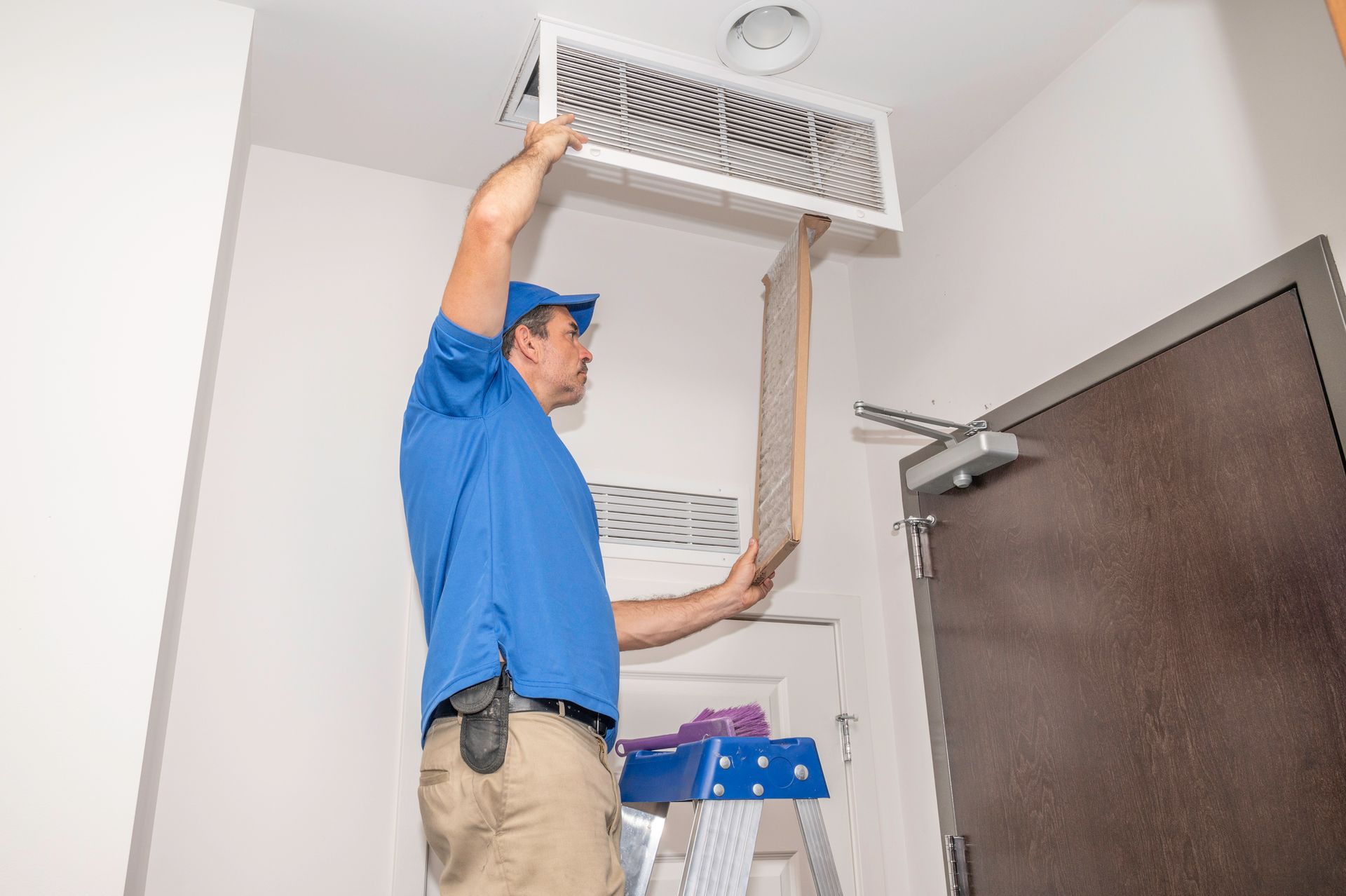
One of the biggest mistakes homeowners make is forgetting about the air filter. A dirty or wrong-sized filter makes your AC work much harder than it should. Airflow drops, your home feels less comfortable, and the system runs longer just to keep up.
Here are common filter errors we see:
- Waiting until the filter looks dark gray or black before changing it
- Using a filter with a very high MERV rating that chokes airflow in older systems
- Only changing one main filter and forgetting there are filters in multiple return vents
When a filter is clogged, the blower has to push air through a wall of dust and pet hair. That can lead to:
- Higher energy bills
- Hot and cold spots in the house
- Extra wear on fans and other parts
In Collin County, with high pollen seasons and dusty days, most homes should:
- Check filters every 30 days
- Change them at least every 60 to 90 days
- Change more often if you have pets, allergies, or someone with breathing issues
If you are not sure what type of filter is right for your system, a professional HVAC tech can help match the filter to your equipment so you get cleaner air without choking airflow.
Skipping Spring Tune-Ups Before Peak Season
Another common mistake is skipping a spring tune-up. Many homeowners turn the AC on for the first hot day and hope for the best. The problem is, by the time it is above 90 degrees, your system is already under stress.
Spring is usually the best time for professional AC maintenance in Collin County. The weather is milder, and we can test and clean the system before the heavy workload hits. During a professional tune-up, a trained tech can catch issues like:
- Low refrigerant levels
- Weak or failing capacitors
- Dirty indoor and outdoor coils
- Clogged condensate drain lines
- Worn or pitted contactors
These are not things most homeowners can or should try to check on their own. Simple DIY steps like changing filters and keeping vents open are helpful, but they are not a full checkup.
A professional visit goes deeper. For example, during a
cooling system service, a technician may:
- Test electrical components under load
- Check temperature differences across the coil
- Inspect the blower and indoor coil for dirt buildup
- Confirm that safety switches work properly
Catching these problems early can prevent surprise breakdowns on the hottest afternoon of the week.
Blocking Outdoor Units and Ignoring the Drain Line
The outdoor unit, or condenser, needs space to breathe. When it is boxed in by shrubs, fences, or storage items, airflow gets blocked. The unit then struggles to release heat, and your AC runs longer and hotter.
Common outdoor unit mistakes include:
- Planting bushes too close to the sides
- Stacking lawn tools, ladders, or trash cans around the unit
- Covering the top with a solid cover while it is running
A good rule of thumb is to give the unit 2 to 3 feet of clear space on all sides and several feet above. Keep grass clippings and leaves away, and never fully cover the unit while it is in use.
The condensate drain line is another problem area that many homeowners overlook. Your AC pulls moisture out of the air and sends that water through a drain line. If that line clogs with algae, dirt, or debris, you can end up with:
- Water backing up into the drain pan
- Wet spots on ceilings or near the indoor unit
- Musty or sour smells around vents
- Safety switches shut the system off
Homeowners can watch for signs of trouble, like standing water near the indoor unit, frequent system shutoffs, or visible algae at the drain outlet. If you see any of those, it is time to have a professional check things out before water damage starts.
DIY Refrigerant Fixes, Thermostat Missteps, and Indoor Air Quality
Refrigerant is not a DIY project. Some homeowners try to add refrigerant on their own when the AC feels weak. This is dangerous, usually against regulations without proper certifications, and often just hides a bigger problem, like a leak or failing part. Too much or too little refrigerant can damage the compressor, which is one of the most expensive parts of the system.
If your AC is not cooling well, the best step is to have an HVAC professional inspect it. A trained tech can test pressures, look for leaks, and recommend repair options or, if needed, a
new AC installation that fits your home.
Thermostat habits also cause a lot of comfort and maintenance issues. Common mistakes include:
- Putting the thermostat in direct sun or near lamps
- Constantly raising and lowering the temperature all day
- Leaving the system in the wrong mode
- Ignoring helpful smart features like schedules
Instead, try to:
- Keep the thermostat away from heat sources or drafts
- Pick a comfortable temperature and leave small adjustments to a schedule
- Make sure you are in cool mode before the first heat wave
You can safely handle simple thermostat checks, like replacing batteries, checking that it is level (for some older models), and confirming the time and schedule are correct. If the screen is blank, the system will not turn on, or readings look way off, it is time for a pro.
Indoor air quality often gets ignored, but it plays a big role in how hard your AC works. Dirty or leaky ducts let dusty, hot attic air get pulled into your system. That means your AC runs longer to cool the air that should have never entered the ducts in the first place. Over time, this can stress parts and reduce comfort in far rooms.
Homes in Collin County deal with:
- Seasonal pollen that builds up in ducts and filters
- Dust from nearby roads and building sites
- Periods of higher humidity
Because of this, some homes benefit from:
- Duct inspections to check for leaks or heavy dust buildup
- Sealing gaps where air is escaping or entering
- Better filtration or air cleaning equipment
Good indoor air quality support can be part of a full AC care plan, not just a separate service. When ducts are tight and air is clean, your system does not need to run as long to keep you comfortable.
If you already struggle with hot rooms or weak airflow, that can be a sign your system needs attention. Sometimes, a repair, like a
professional AC repair, plus some duct or filtration help can make a big difference in both comfort and strain on your equipment.
Frequently Asked Questions About AC Maintenance Mistakes
1) How often should I schedule professional AC maintenance in Collin County?
Most homes do well with a professional tune-up once a year, usually in spring before heavy heat. The harder your system works, the more important that yearly visit becomes. Regular professional service helps catch wear and tear before it causes a breakdown.
2) What are the signs that my AC filter needs to be changed sooner than usual?
If you notice weaker airflow from vents, more dust in the house, or the system running longer than normal, it is time to check the filter. Homes with pets, allergy issues, or a lot of traffic often need more frequent changes. If the filter looks coated in dust or pet hair, replace it, even if it has not reached the “normal” schedule.
3) Is it really necessary to have a spring tune-up every year?
A yearly spring tune-up is one of the best ways to reduce surprise breakdowns and help your system last longer. Even if the AC seems fine, small issues like loose connections, dirty coils, or weak capacitors can build up over time. A regular check lets a pro spot those problems early, so you are not stuck without cooling on a hot day.
4) Can clogged ducts or poor indoor air quality damage my AC system?
Clogged or leaky ducts make your AC work harder by reducing airflow and letting in hot, dirty air. Over time, that extra strain can lead to overheated parts, more frequent repairs, and uneven comfort. Poor indoor air quality also means more dust and debris reaching your equipment, which can coat coils and block filters faster.
5) When does a DIY AC fix become dangerous and require a professional?
Any work with refrigerant, electrical parts, or inside the main unit should be left to a trained technician. It is fine to change filters, adjust basic thermostat settings, and keep the outdoor unit clear of leaves. But if breakers keep tripping, the unit makes loud or odd noises, ice forms on lines, or the system short-cycles, it is time to stop guessing and have a professional inspect the system.
Keep Your AC Running Smoothly All Season Long
Regular tune-ups are the best way to avoid surprise breakdowns and high energy bills, and our team at Airmax Air Conditioning & Heating makes it simple to stay on track. Explore our AC maintenance in Collin County options to find the plan that fits your home and budget. If you are ready to schedule service or have questions about what is included, just contact us, and we will help you get set up.