Breathe Easier This Summer in Collin County
Summer in Collin County can be tough on allergies. The grass is growing, trees are full, and pollen rides every warm breeze. At the same time, we spend more hours inside with the AC running almost nonstop. When your home is not filtered well, outside stuff can end up stuck inside with you.
Indoor air can actually feel worse than outdoor air when filters are old, cheap, or not sized right. Dust, pollen, pet hair, and other tiny particles float around and keep recirculating through your HVAC system. That means more sneezing, itchy eyes, and restless nights.
In this article, we will walk through how smart air filtration in Collin County homes can cut those summer flare-ups, what filter options make sense here, and which habits help keep allergens down. As a local HVAC team, we understand North Texas heat, dust, and pollen patterns, and we want to help your home feel like a true retreat, not an allergy trap.
Why Summer Allergies Hit Hard in Collin County
Our area sees a mix of allergy triggers as the weather warms up. Common ones include:
- Grass and tree pollens that blow across neighborhoods
- Dust that builds up when homes stay closed for long periods
- Mold spores that thrive when humidity creeps up
- Air pollution from traffic and construction dust
Modern homes are built tightly to save energy. That is great for keeping cool air in, but it also traps indoor allergens. When your AC cycles air again and again, whatever is in your ducts and living spaces keeps moving through the house.
Outdoor allergens, like pollen, float in when doors open, shoes track in, or pets come back inside. Indoor allergens, like dust mites and pet dander, form inside the home itself. You cannot control what is in the outdoor air, but you can take strong control of what you breathe indoors. That is why a good filter plan tied to your AC system is one of the most effective ways to find relief during Collin County summers.
If your AC is running constantly but the air still feels stuffy or dusty, it might also be time to look at the system itself. A well-maintained cooling system, backed by professional
air conditioning repair when needed, gives your filters a better chance to do their job.
How Better Air Filtration in Collin County Reduces Symptoms
When we talk about air filtration in Collin County, we mean more than just grabbing any filter off a store shelf. In practical terms, good filtration often includes:
- Filters that match your system and allergy needs
- Whole-home filtration that works with your HVAC system
- Add-on air cleaners that target very fine particles
Quality filters are designed to capture common local irritants, such as:
- Pollen from local grasses and trees
- Pet dander from cats and dogs
- Dust mites that live in carpets and soft furniture
- Fine particles from area traffic, nearby roads, and construction
When your filters are chosen and installed the right way, you usually notice:
- Fewer sneezing fits and less coughing
- Less congestion and pressure in your head
- Better sleep because you are not waking up to clear your throat
- Less dust building up on shelves, fans, and vents
Because the AC is running so often in summer, every cycle is a chance to clean the air. A strong filtration setup turns your cooling system into a steady air cleaner for the whole home, not just a comfort system.
If your system is older or struggling to keep up, upgrading to a new unit can also help filter and move air more evenly. An expert
air conditioning installation can be paired with better filtration to support comfort and indoor air quality at the same time.
Choosing the Right Filters for Your Collin County Home
A big part of doing air filtration right is picking the right type of filter for your HVAC system. One key term you will hear is MERV rating. In simple terms, MERV tells you how well a filter can catch small particles. Higher MERV usually means finer filtration.
But higher is not always better for every home. If the filter is too restrictive for your system, it can choke airflow. That may lead to comfort issues or even strain the equipment. This is why it is smart to get professional guidance before jumping to the highest MERV filter you can find.
Here is a simple way to think about common filter types:
Basic fiberglass filters
- Catch large dust and debris
- Low cost, but not great for allergies
- Need very frequent changes
Pleated filters
- Better at catching smaller particles like pollen and pet dander
- A good middle option for many allergy sufferers
- Need to be matched to your system to protect airflow
High-efficiency media filters
- Capture more fine particles over a larger surface area
- Work well for households with stronger allergy concerns
- Usually part of a more advanced filtration setup
Every HVAC system is a bit different. Age, size, and ductwork design all matter. We always look at airflow, system capacity, and your comfort goals before suggesting a filter upgrade. This helps you get cleaner air without putting extra stress on your AC.
If your AC struggles to cool or rooms feel uneven, addressing that first through expert
air conditioning service and system checks makes filtration upgrades more effective.
Advanced Air Cleaning Options and Summer Maintenance Tips
Some homes in Collin County need more than standard filters. When allergies, asthma, or health needs are more serious, we may suggest a layered approach that goes beyond basic filtration.
Advanced air cleaning options can include:
- Whole-home air purifiers that work with your HVAC system
- HEPA bypass filters that handle very fine particles without choking airflow
- UV lights near the indoor coil to help with microbial growth on surfaces
These options may be worth exploring if:
- Someone in the house has strong allergies or asthma
- There are family members with weaker immune systems
- Your home is close to a busy road or active construction
- You have had issues with mold growth or musty smells
Filtration is only one part of the picture. Humidity control, source control, and good cleaning habits all support cleaner indoor air. A layered approach usually brings the best relief.
Summer maintenance habits that help keep allergens down include:
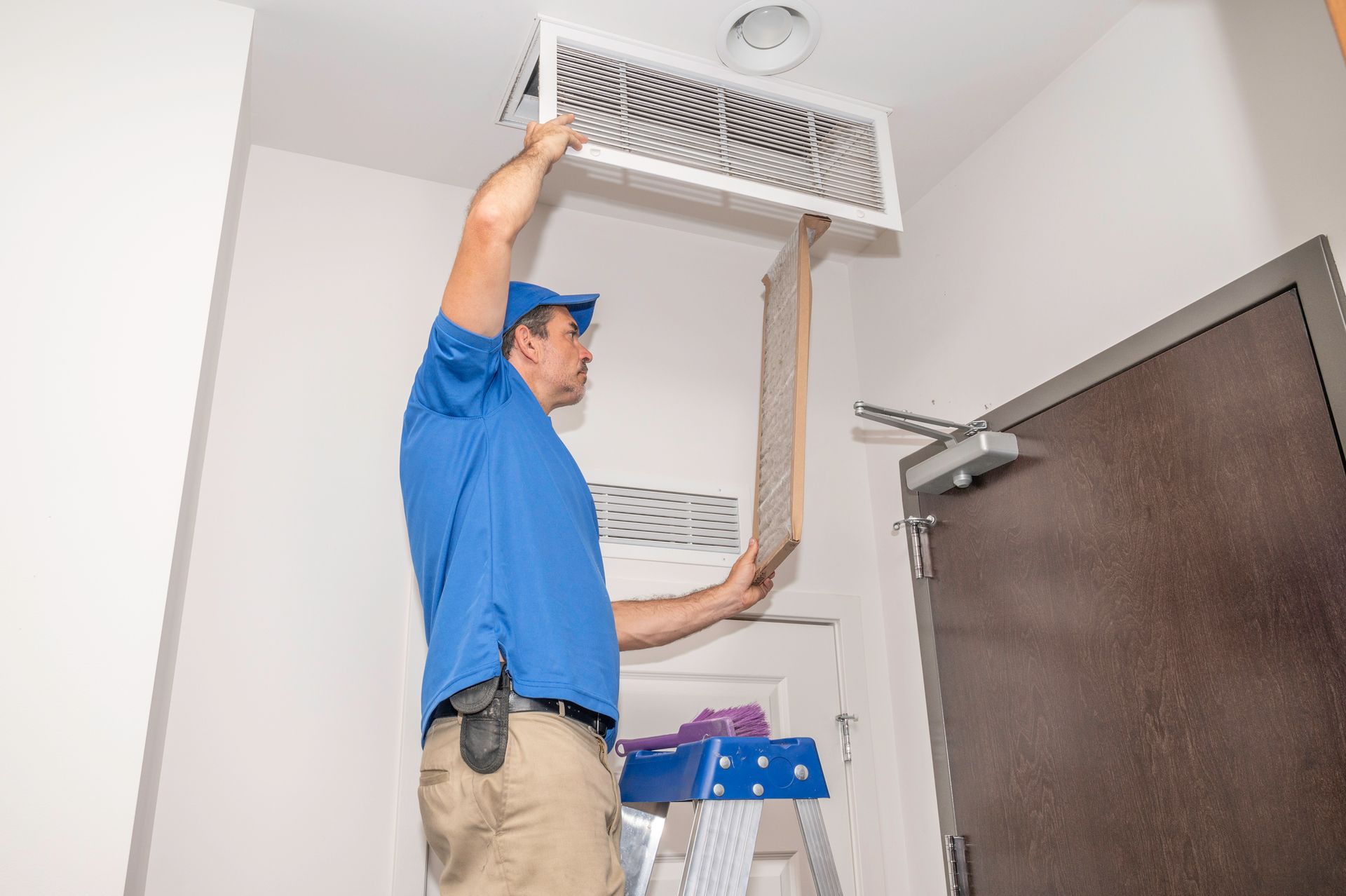
- Changing filters more often in heavy-use months, usually every 30 days for standard filters and every 60 to 90 days for higher-capacity filters, depending on the home
- Keeping windows and doors closed during high pollen times
- Using microfiber cloths for dusting instead of dry feather dusters
- Vacuuming with a unit that has a good filter or HEPA option
Professional HVAC maintenance also plays a big role. Key tasks we focus on at Airmax Air Conditioning & Heating include:
- Cleaning the indoor coil so it does not collect dust and biological growth
- Inspecting ductwork for leaks or gaps that can pull in attic dust
- Checking airflow across your system so filters work as designed
Routine tune-ups and repairs, such as timely
air conditioning repair, keep your system running smoothly, which supports everything your filters and air cleaners are trying to do.
FAQs About Summer Allergies and Air Filtration
1. How often should I change my AC filter during Collin County summers?
During heavy summer use, standard filters often need to be changed about every 30 days. Higher-capacity filters may last 60 to 90 days, depending on things like pets, smoking, and how much dust your home collects. The safest approach is to check the filter monthly and change it whenever it looks dirty.
2. Will a better air filter really help with my allergies?
A better filter cannot remove every allergen, but it can cut down airborne triggers in a big way. When filters are chosen correctly and changed on time, many homeowners notice fewer flare-ups, fewer symptoms at night, and less dust buildup around vents and furniture.
3. What MERV rating is best for allergy sufferers in this area?
Many Collin County homes do well with filters in the general MERV 8 to 13 range. The right choice for you depends on your system, ductwork, and health needs. Before moving to a higher MERV filter, it is best to have an HVAC professional check that your equipment can handle the added resistance to airflow.
4. Do I need a whole-home air purifier, or is a room unit enough?
Room purifiers can help in specific spaces like bedrooms or a home office. Whole-home systems treat all the air moving through your HVAC equipment, which means more even protection throughout the house. Some families use both, targeting main living areas with whole-home solutions and adding portable units where they spend extra time.
5. Can air filtration fix all indoor air quality problems?
Filtration is only one part of a complete indoor air strategy. You also need to manage humidity, limit smoke and harsh chemicals, keep up with cleaning, and maintain your HVAC system. When these pieces work together, your home becomes a much more comfortable space for allergy sufferers during Collin County summers.
Breathe Cleaner, Healthier Air In Your Home Today
If you are ready to improve your indoor air quality, Airmax Air Conditioning & Heating is here to help with expert solutions for air filtration in Collin County. We will assess your home’s needs and recommend systems that target dust, allergens, and airborne pollutants effectively. To schedule service or ask questions, simply contact us, and we will walk you through your best options.