Preventing AC Water Leaks in Collin County Homes
AC water leaks can quietly damage a home before anyone notices. A small puddle by the indoor unit or a faint stain on the ceiling might not seem urgent, but those are early warning signs that your cooling system needs attention. When our hot, humid late spring weather hits Collin County, AC systems run longer and harder, and that is when tiny problems can turn into big leaks.
In this article, we will explain why AC systems leak, what you can safely look for at home, and how professional service helps keep your house dry, comfortable, and healthy. We will also share when it is time to stop wiping up water and call for expert AC repair in Collin County before you face mold, damaged ceilings, or ruined flooring.
Why AC Systems Leak Water in Collin County Homes
Every air conditioner makes water as it runs. Warm, humid air from your home passes over the cold evaporator coil, moisture in the air turns into condensation, and that water drips into a drain pan. From there, it should flow through the condensate drain line and safely outside.
When everything is working, you never think about that water. Leaks start when one part of this path fails. Common causes in local homes include:
- Clogged condensate drain lines from dust, algae, and sludge
- Rusted, cracked, or misaligned drain pans
- Frozen evaporator coils from low airflow or refrigerant issues
- Improper installation or drain lines that do not slope correctly
Collin County weather makes all of this more likely. Spring storms wash debris into outdoor equipment. High pollen counts and dust get pulled into the system and end up in the drain line. Early heat waves mean your AC runs longer each day, so any small clog or crack has more time to cause trouble.
Sometimes a leak is a sign of a deeper problem, not just a little blockage. For example, a frozen coil can point to low refrigerant, a failing blower, or very dirty filters. In those cases, simple cleaning will not fix the cause, and the system may need professional AC repair in Collin County to prevent repeat leaks and bigger damage.
If you are already seeing steady water, musty odors, or stains around supply vents, we strongly recommend having a licensed HVAC technician inspect your equipment and drainage system instead of trying to guess at the issue.
Simple Home Checks to Catch Leaks Early
You do not have to take your system apart to spot early warning signs. A few safe, visual checks before peak summer can help you catch problems while they are still small.
Start with the indoor unit, often in the attic, a hallway closet, or a utility room:
- Damp spots or soft areas on the floor or attic decking
- Brown or yellow ceiling stains under the unit
- Rust on the air handler cabinet or drain pan
- A moldy or sour smell near the system or from supply vents
Around the outdoor end of the condensate drain line, usually a small white PVC pipe, watch the water flow when the AC has been running for a while. A light, steady drip is usually normal on a warm, humid day. Take note if you see:
- A heavy, constant stream that was not there before
- No water at all from the pipe even though the AC is running for long periods
- Water backing up near the house or pooling next to the foundation
Any sudden change in the way that pipe drains is a sign that something inside the line or pan has changed too.
Keep the area around your indoor unit clean and easy to access. Try to:
- Avoid stacking boxes or storage right against the air handler
- Vacuum dust and pet hair near return grilles and closet doors
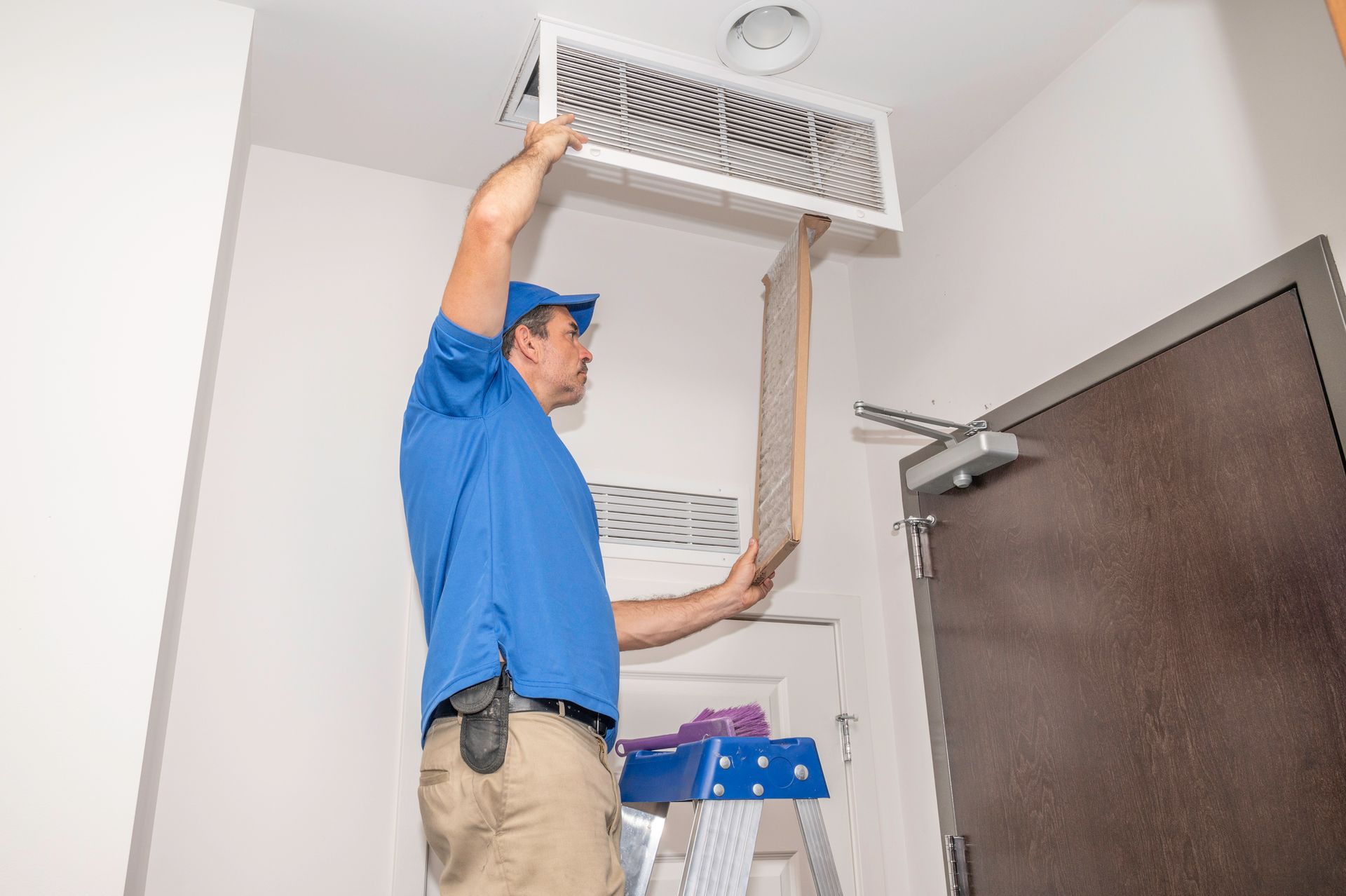
- Change air filters regularly so the system can breathe
There are also some things homeowners should not do. We do not recommend:
- Opening sealed panels on the air handler
- Pouring harsh chemicals into the drain line
- Trying to chip away at a frozen coil
If the system shuts off and you find water in the pan, or if any inspection makes you unsure, it is time for a licensed technician to take over. A professional can safely diagnose the problem and perform proper AC repair in Collin County before the damage spreads.
Professional Maintenance That Helps Prevent Water Damage
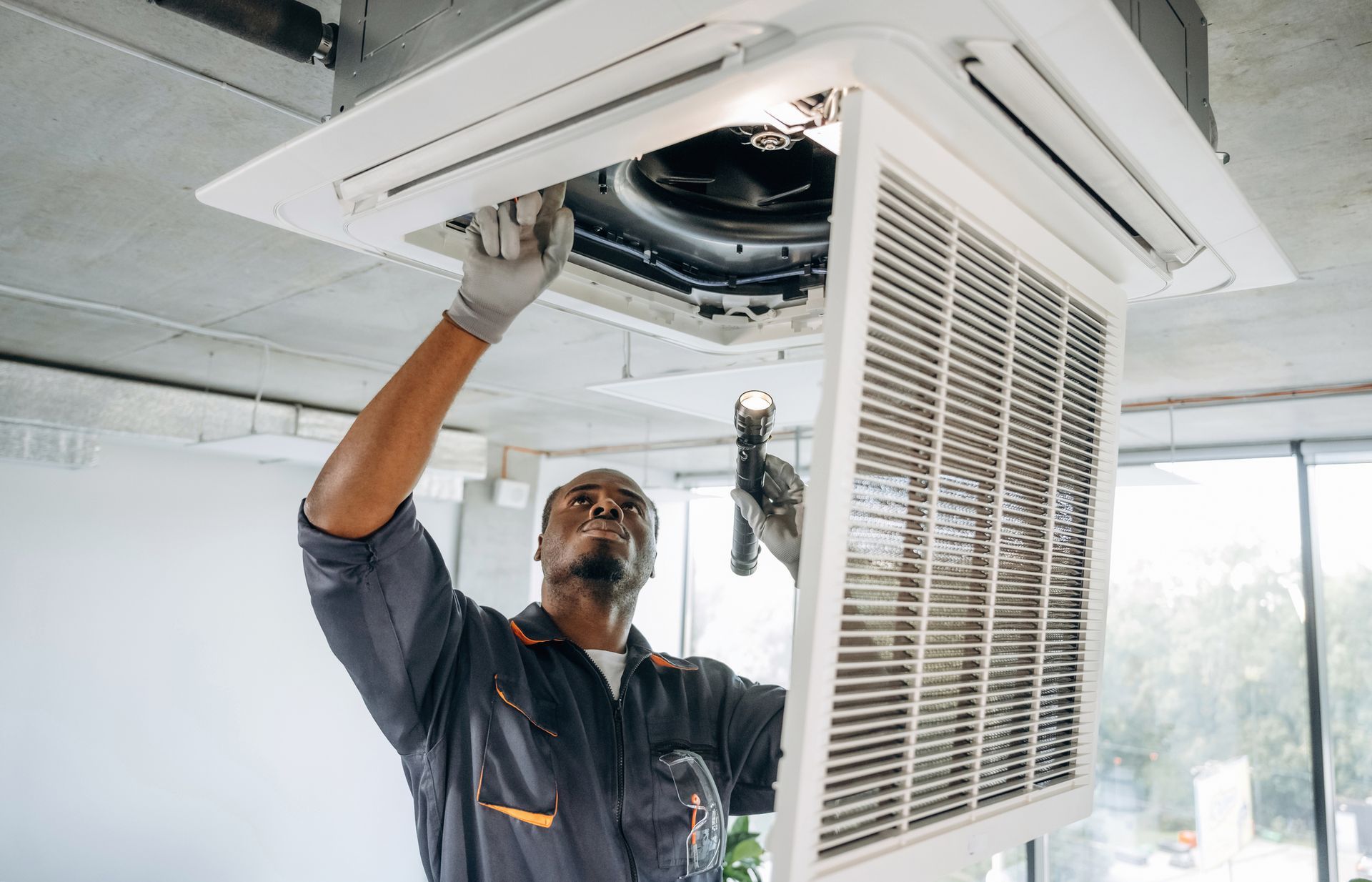
Preventing leaks is much easier than fixing ceilings, flooring, or insulation after they get soaked. That is where professional AC maintenance comes in. During a typical tune-up focused on leak prevention, an HVAC technician will often:
- Clear and treat the condensate drain line to help slow algae growth
- Inspect, clean, and level the drain pan, so water flows correctly
- Check the evaporator coil and airflow to reduce the risk of freezing
- Inspect refrigerant levels and overall system performance
- Confirm safety switches and float switches are working properly
Regular maintenance supports efficiency, reduces the chance of sudden breakdowns in the hottest part of summer, and helps your equipment last longer. Just as important, it helps prevent the slow, hidden water damage that can lead to mold and indoor air quality issues.
Local experience matters here. Many Collin County homes have AC units tucked into tight attic spaces or small interior closets. Drainage in these areas can be tricky, and improper slope or support can cause chronic leaks. A team that works with these layouts every day is better prepared to spot trouble before it starts and make needed corrections during maintenance.
If you are planning new or replacement cooling equipment, correct drainage starts on day one. A professional
air conditioning installation should include proper drain pan setup, correctly sized and sloped condensate lines, and safety features designed to protect your home from water damage.
When to Call for Expert AC Repair in Collin County
Some signs mean you should not wait. Call for professional help right away if you notice:
- Steady dripping or pools of water around the indoor unit
- The float safety switch turning the system off more than once
- Musty, damp odors from vents or around the air handler
- Unusually high indoor humidity, sticky rooms, or clammy air
- A sudden jump in energy bills with no clear reason
It can be tempting to keep clearing a condensate line with basic tools whenever it blocks, but if the clog keeps coming back, something deeper is wrong. Slime buildup inside the line, a rusted drain pan, a line that is too small, or poor slope can all cause repeat leaks. Without fixing the real cause, each backup increases the risk of ceiling damage, mold, and even electrical problems near your equipment.
When you call a local specialist for AC repair in Collin County, you get fast help from someone who understands local housing styles, common attic layouts, and how our hot, humid weather stresses cooling systems. It is also smart to combine a repair visit with a full system check. That way, the technician can look for other weak spots before the hardest part of summer puts maximum strain on your AC.
For systems that are older or struggling to keep up, a professional checkup can help you decide whether continued repairs make sense or if planning for a new
air conditioning system might be the safer long-term choice for comfort and leak prevention.
Frequently Asked Questions About AC Water Leaks
1. Why Is My AC Leaking Water Inside the House?
The most common reasons are a clogged condensate drain line, a frozen evaporator coil that melts, a damaged or rusted drain pan, or an installation problem that keeps water from flowing correctly. Any indoor leak should be checked quickly because water can soak ceilings, walls, and insulation in a short time. A professional air conditioning repair visit can find the exact cause and fix it before it gets worse.
2. Is It Normal for My AC to Drip Water Outside?
Yes, a small, steady drip from the outdoor condensate drain line is normal when your system is running, especially on humid days. What is not normal is a heavy, constant stream, sudden changes in flow, or no water at all when the AC has been running a lot. Big changes like that can mean the line is blocked, broken, or routed incorrectly.
3. Can I Unclog My AC Drain Line Myself?
Some homeowners gently use a shop vacuum on the end of the outside drain line or clear light debris from around the outlet. That can sometimes help with minor clogs. If water keeps backing up, if you see leaks inside, or if a float switch keeps shutting your system off, it is time for a professional. Forcing the line or using the wrong tools can break pipes or push clogs deeper into the system.
4. How Often Should I Schedule AC Maintenance to Help Prevent Leaks?
We recommend at least one professional AC maintenance visit each year, ideally in the spring before heavy summer use in Collin County. Homes with pets, allergy concerns, or older equipment may benefit from more frequent checks. Regular visits give a technician the chance to clean the drain line, inspect the pan, and catch small issues that could lead to leaks later in the season.
5. Will My Homeowners Insurance Cover AC Water Damage?
Coverage depends on your policy and on what caused the damage. Many policies treat sudden, accidental water damage differently from long-term problems linked to a lack of maintenance. It is a good idea to review your policy and speak with your insurance provider for details. Keeping up with professional maintenance can help lower your risk of damage in the first place and may provide helpful records if you ever need to file a claim.
By adding AC leak checks to your regular spring home routine, changing filters on time, and scheduling professional care before peak summer heat, you can keep your cooling system running safely, efficiently, and as leak-free as possible year after year.
Restore Reliable Comfort To Your Home Today
If your system is struggling to keep up, Airmax Air Conditioning & Heating is ready to help you get comfortable again with professional AC repair in Collin County. We will assess your system, explain your options clearly, and recommend only the work you truly need. To schedule fast, reliable service, just contact us, and our team will take care of the rest.