What's Included in a Collin County AC Tune-Up: Checklist for Homeowners
Protect Your Summer Comfort with a Verified AC Tune-up
A strong AC tune-up in Collin County is one of the best ways to get ready for long, hot Texas summers. When the heat hits the triple digits and your system runs for hours at a time, small problems can turn into big breakdowns fast. A good tune-up gets ahead of those problems so your home stays cool and comfortable.
We like homeowners to have a simple, clear technician checklist they can follow. That way you can see what was done, ask good questions, and feel confident that your AC was inspected and tested, and not just glanced at. A reputable local company should be checking safety, performance, airflow, and air quality, then explaining what they found.
When this work is done well, you get real benefits: better reliability during 100-degree days, lower energy use, fewer surprise repairs, longer system life, and a more comfortable home with cleaner air.
What a Professional AC Tune-Up in Collin County Includes
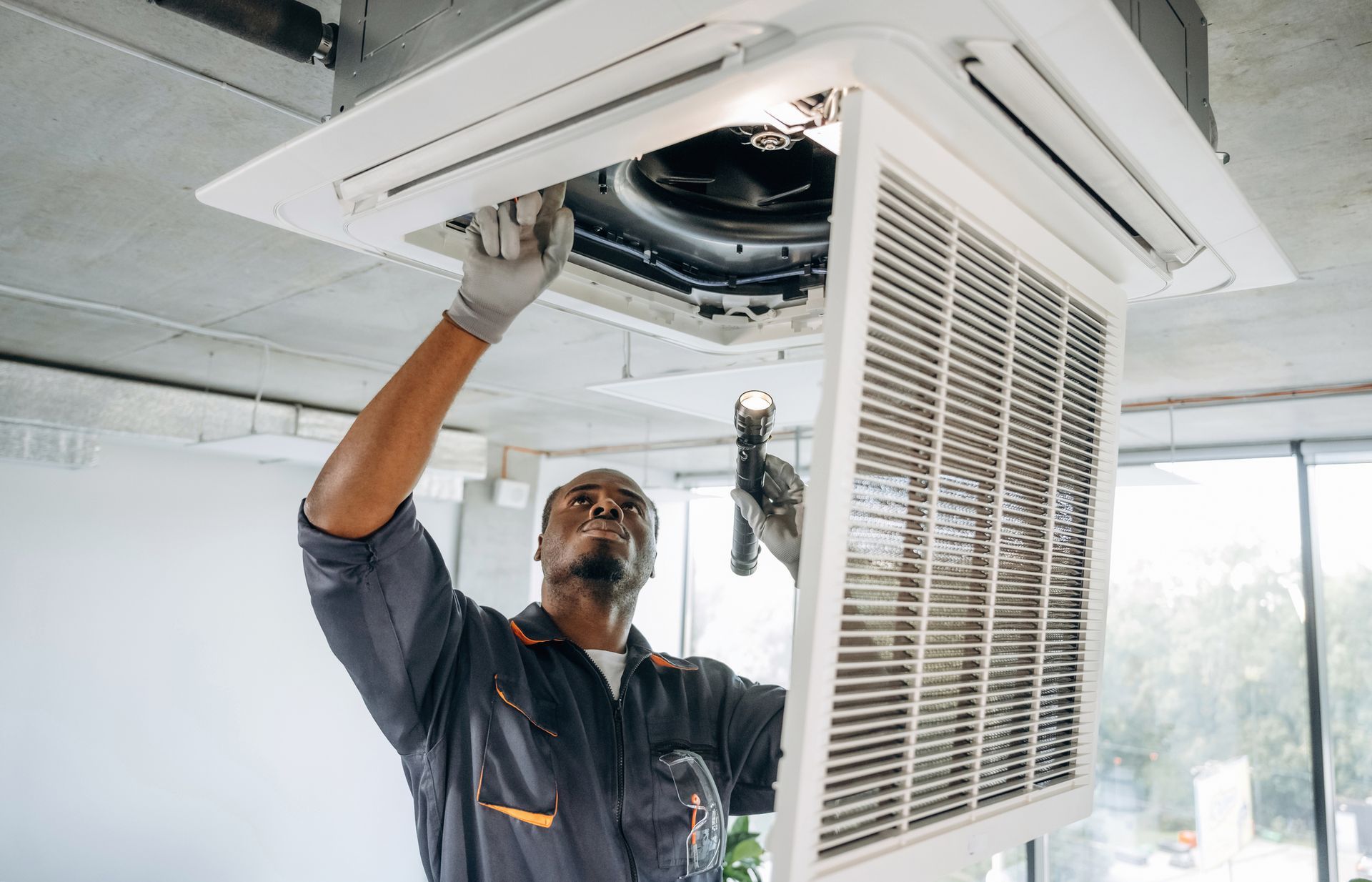
An AC tune-up in Collin County should be a full system check, not a quick “look and leave” visit. A fast stop that only checks if the unit turns on is very different from a real maintenance visit that tests and inspects the system from end to end.
Our area has special needs because of:
- Long, hot, humid summers in North Texas
- Dust, grass, and pollen that clog filters and coils
- Spring storms that blow leaves and debris into outdoor units
- Heavy run time from late spring through early fall
A complete tune-up should include several key categories:
- Safety checks on electrical and controls
- Performance testing, like temperature split and refrigerant readings
- Cleaning of key components, especially coils and drains
- Electrical inspection for wear, overheating, or loose wiring
- Basic homeowner education on filters, thermostat use, and warning signs
For most Collin County homeowners, late spring is a smart time to schedule service. That gives you a chance to fix problems before the first big heat wave and before you need emergency
air conditioning repair on a bad day.
Essential Indoor System Checks Homeowners Can Confirm
A lot of the important work happens at the indoor unit, usually in the attic, a closet, or the garage. You do not need to climb into tight spaces, but you can pay attention to what the technician does and how the system acts after the visit.
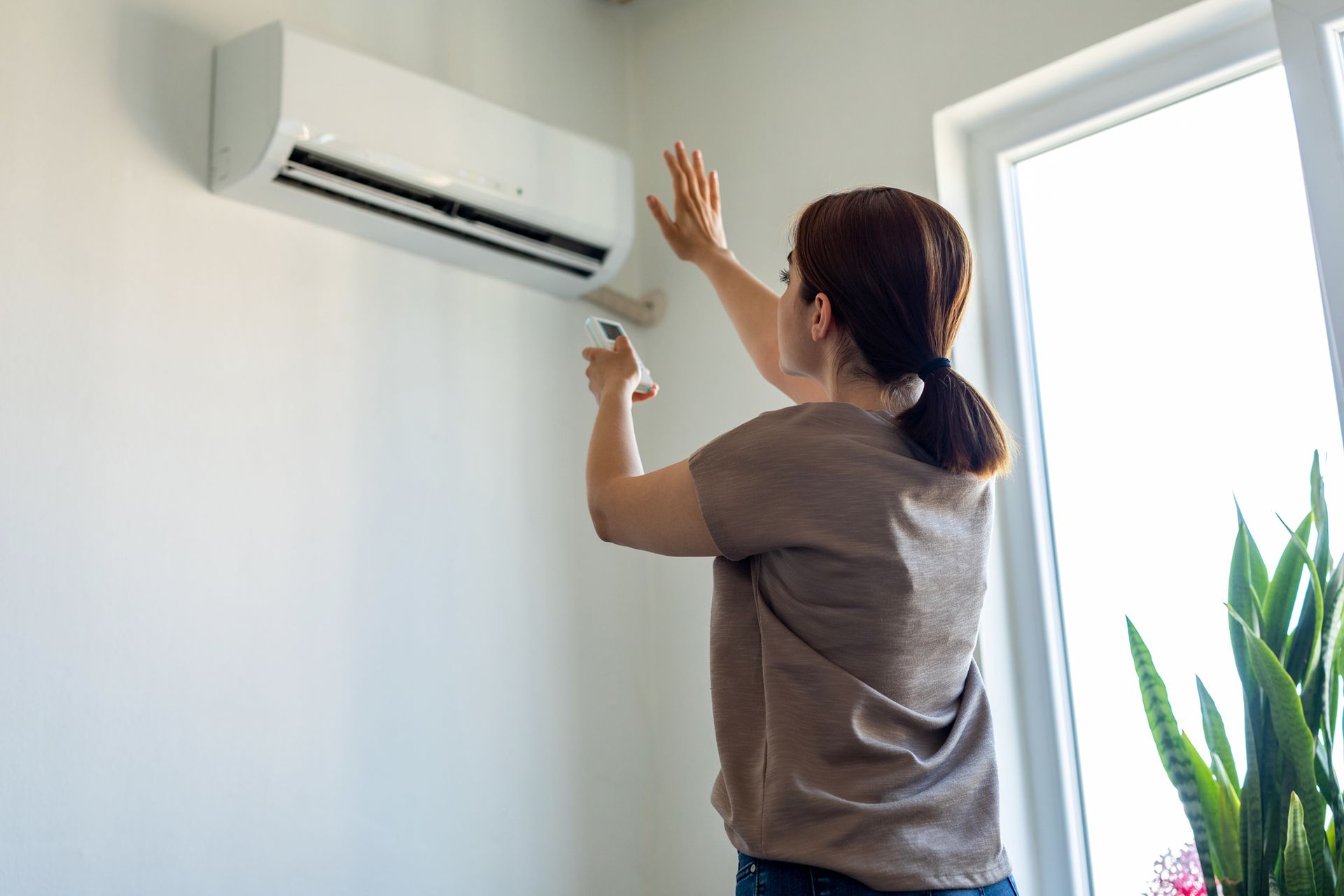
Thermostat and controls
A good technician should:
- Check thermostat settings and calibration
- Run the system in cooling mode and watch a full cycle
- Make sure smart or Wi-Fi thermostats are talking correctly with the system
After the visit, you can verify:
- Room temperature on the thermostat matches how the space feels
- The AC turns on and off without short cycling or running forever
- Mode changes from cool to off happen smoothly
Indoor unit inspection
At the indoor unit, the technician should:
- Inspect the blower motor and wheel for dust and balance issues
- Tighten mounting hardware and listen for strange noises or vibration
- Remove access panels to view the evaporator coil when possible
- Let you know if the coil is so dirty that it needs a separate deep cleaning
You can confirm that all access panels were put back in place, screws are tight, and that there are no new rattling sounds when the AC runs.
Filter and airflow
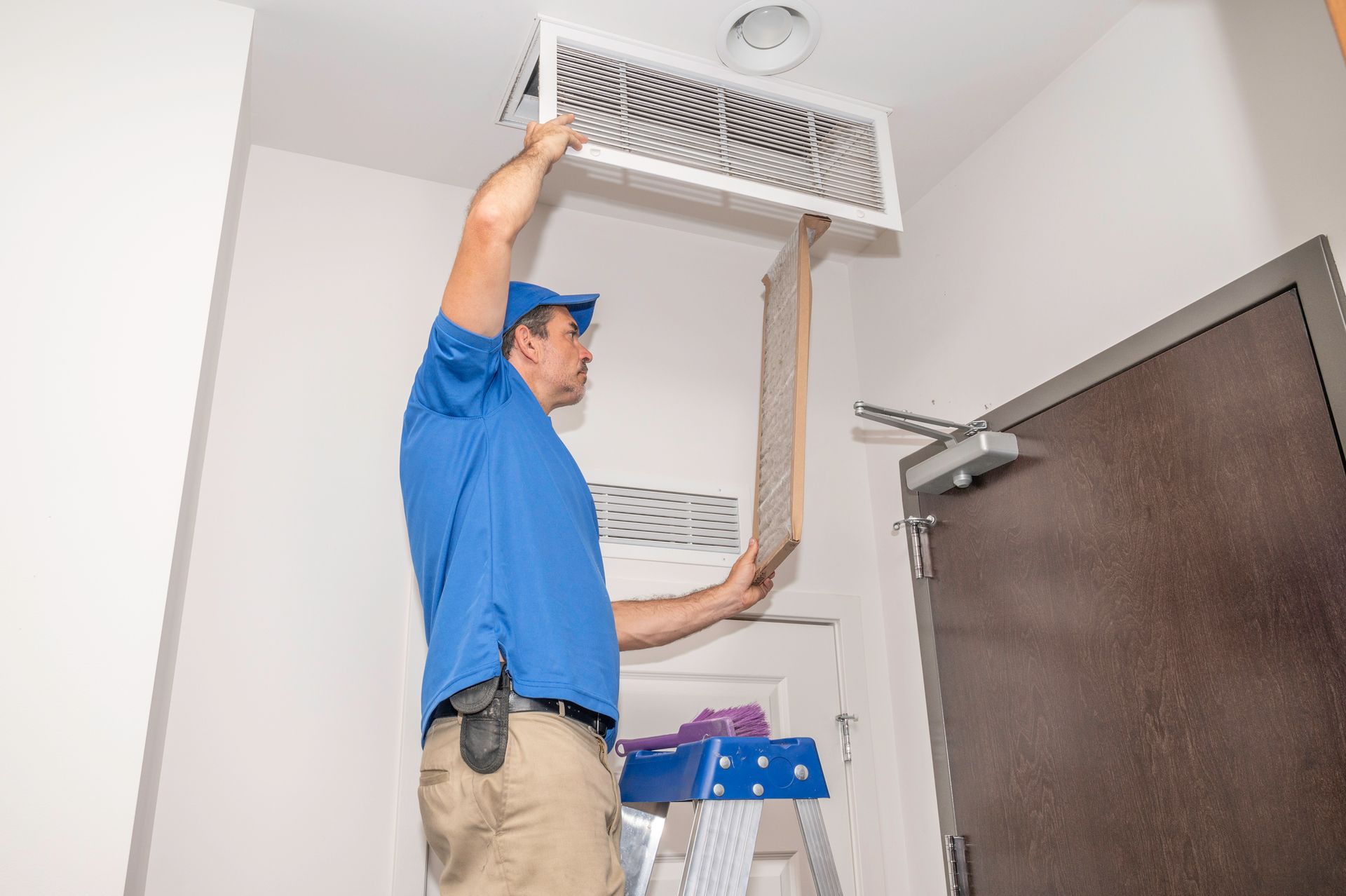
Filter care matters a lot in our dusty and pollen-heavy area. Your technician should:
- Check the size, type, and condition of your current filter
- Make sure it fits snug, with no gaps around the edges
- Recommend how often to change it during allergy and dust seasons
- Check that return and supply vents are open and not blocked by furniture
If there are comfort issues, a deeper look at airflow and static pressure may be needed. That is part of good
air conditioning service, not something that should be skipped.
Outdoor Unit Checklist for Texas Heat Performance
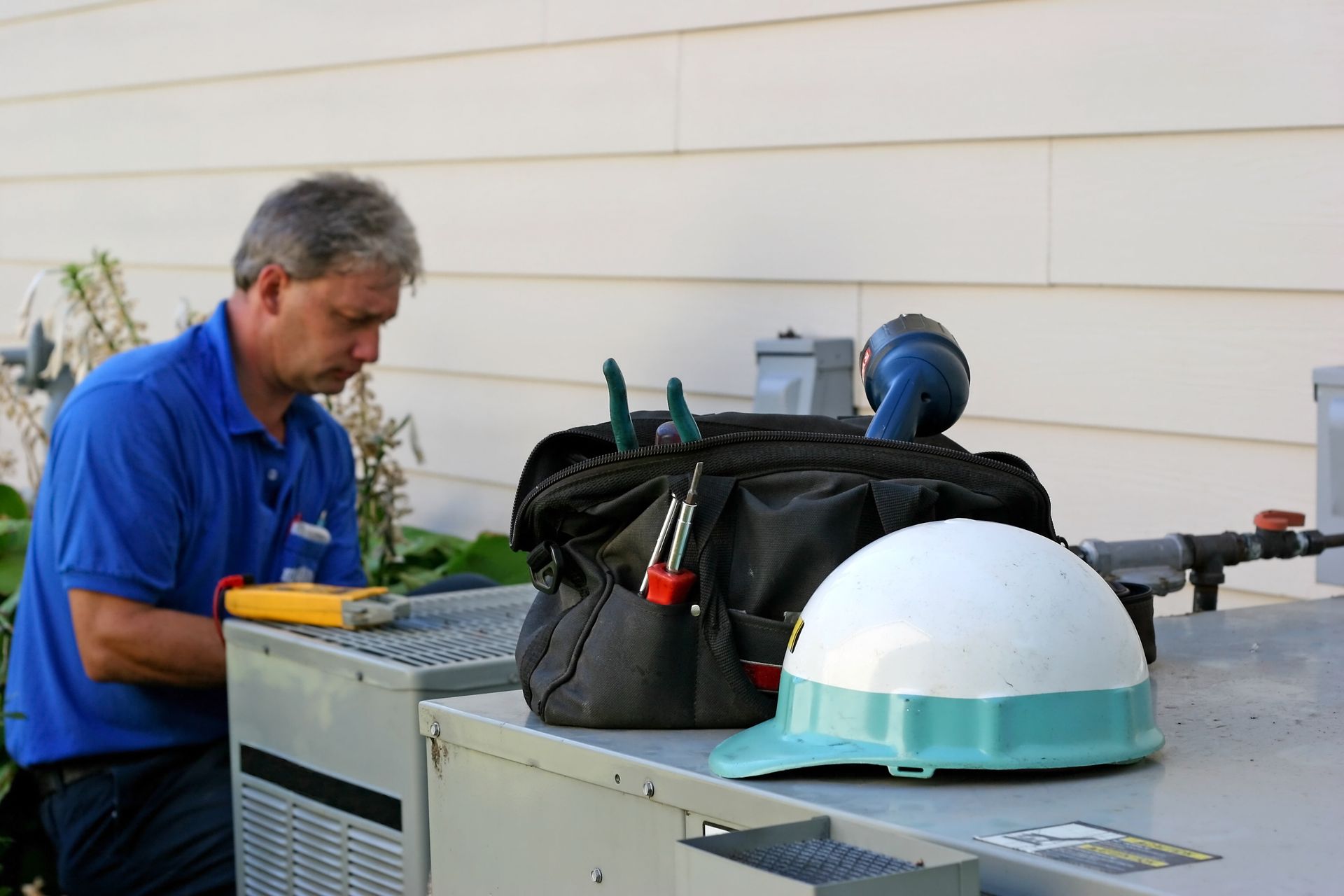
The outdoor condenser works hard in Texas heat, so a proper AC tune-up in Collin County always includes a detailed look at this unit.
Condenser coil and cabinet
Your technician should:
- Clear away leaves, weeds, grass clippings, and trash
- Check the coil fins for mud, dirt, or impact damage
- Clean the coils with an appropriate method, not just water sprayed at random
Afterwards, you can check that:
- There is 2 to 3 feet of clear space around the unit
- The sides of the coil do not look packed with dirt or fuzz
- Landscaping is trimmed back so air can move freely
Electrical and refrigerant checks
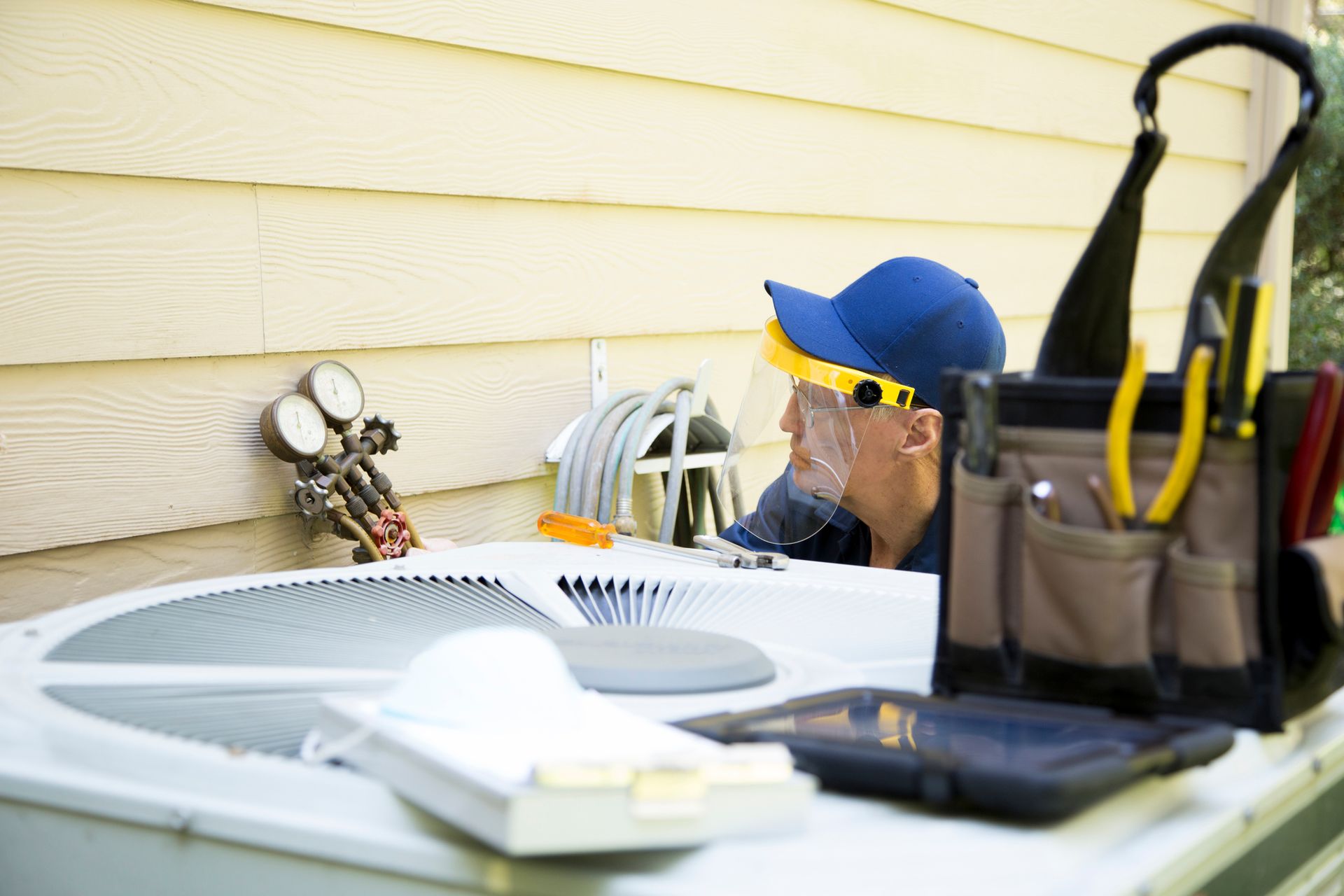
A serious tune-up includes actual measurements, not guesswork. That means the technician should:
- Inspect contactor, capacitors, and wiring for wear, heat marks, or corrosion
- Tighten electrical connections in the control panel
- Test capacitors and contactor rather than just looking at them
- Measure refrigerant pressures and line temperatures
- Check superheat and subcooling where the system design allows
This confirms the refrigerant charge is correct instead of just “feeling” the lines. If bigger issues show up, that often becomes a focused
AC repair visit.
Drainage and slab/stand condition
Drain problems can cause water damage and even shut your system down. The technician should:
- Confirm the indoor condensate drain is flowing
- Check that the outside drain outlet is not clogged with mud or algae
- Look for water backing up in the drain pan
They should also check that the outdoor unit is level and stable on its pad or stand. In our local clay soils, shifting can tilt the condenser, which is not good for the compressor over time.
Safety, Efficiency, and Indoor Air Quality Verifications
Safety and comfort go hand in hand. A full tune-up adds checks beyond simple “does it cool.”
Electrical and safety checks
A technician should:
- Watch system startup and shutdown
- Confirm breakers and disconnects work and are in good shape
- Check basic safety controls that protect the compressor and blower
If you have a gas furnace paired with your AC, at least a quick visual look at the flue, gas line, and combustion area is smart to spot anything obviously wrong before next heating season.
Efficiency and comfort measurements
To keep your home comfortable room to room, a tune-up should include:
- Measuring temperature split between return and supply air
- Checking static pressure if airflow problems are suspected
- Listening and looking for signs of duct leakage
These steps help reduce hot and cold spots, keep your bills under control, and cut down on short cycling.
Indoor air quality and add-ons
Many homes in our area use extra indoor air quality products, especially for allergy and asthma concerns. During a tune-up, the technician should:
- Confirm air cleaners have power and any filters or cells are in place
- Check UV lights that protect coils, if installed
- Make sure dehumidifiers or zoning controls work correctly with the AC
If you struggle with dust, mold concerns, or local pollution, this is a good time to ask about IAQ options along with regular
air conditioning installation or upgrades.
How to Use This Checklist and When to Call a Pro
You do not need to be an HVAC expert to follow along. Just keep this checklist handy when your technician arrives. It is okay to politely say you would like to understand what is being done and ask them to walk you through the main points after they finish.
A proper AC tune-up in Collin County usually takes more than a few minutes. If the visit feels rushed, with very little testing or explanation, that is worth questioning. A professional should be willing to explain what they checked, what looks good, and what might need attention soon.
Working with a local Collin County-focused HVAC company gives you the benefit of technicians who understand our weather, soil, and home construction styles. At Airmax Air Conditioning & Heating, we handle residential and light commercial systems across the Dallas area, so we see daily how heat, dust, and long run times affect equipment. Regular maintenance agreements can help keep all this on track, so service is planned instead of rushed during a breakdown.
AC Tune-Up FAQs in Collin County
How often should I schedule an AC tune-up in Collin County?
For our climate, we suggest one full AC tune-up each year, usually in late spring before heavy summer use. Some homes with heavier use or dust problems may benefit from more frequent filter checks between visits.
How long should a proper AC tune-up take from start to finish?
It depends on the system, access, and any issues found, but it should not be a quick 10-minute stop. The technician needs time to inspect the indoor and outdoor units, take readings, clean key parts, and talk through findings.
What is the difference between an AC tune-up and a repair visit?
A tune-up is focused on inspection, testing, and preventive care while the system is still working. A repair visit is focused on solving a specific problem or failure, such as no cooling, strange noises, or water leaks.
Can a tune-up really lower my energy bills during Texas summers?
Yes, in many cases. Clean coils, correct refrigerant charge, good airflow, and proper thermostat operation help your AC cool more efficiently. When the system does not have to fight dirt, low airflow, or failing parts, it usually uses less energy.
Is it safe to run my AC if I skipped my tune-up this year?
The system may still run, but you are taking on more risk. Small issues can grow into major repairs, and you might not notice safety or drain problems until damage is done. If you missed a tune-up, it is a good idea to plan one soon so your system can be checked and cleaned before the next stretch of heavy use.
Keep Your Home Comfortable With a Preventative AC Tune-Up
If you are ready to avoid surprise breakdowns and stay cool all season, schedule your AC tune-up in Collin County with Airmax Air Conditioning & Heating today. Our technicians will thoroughly inspect, clean, and fine-tune your system so it runs efficiently and reliably when you need it most. To book your appointment or ask a question, simply contact us, and we will help you find a convenient time.