Why Your AC Runs Constantly During a North Texas Summer
When summer arrives in Melissa, North Texas, it's common for homeowners to notice their air conditioner running almost nonstop. While this can be concerning, it's not always a sign that something is wrong.
Understanding why your AC runs constantly can help you determine whether it's operating normally or if it's time to schedule professional service before a minor issue becomes a costly repair.
North Texas Summers Put Heavy Demands on Your AC
North Texas is known for long stretches of extreme heat. Afternoon temperatures frequently climb into the upper 90s or exceed 100 degrees, and the relentless sunshine causes homes to absorb heat throughout the day.
Your air conditioner isn't designed to cool your home instantly. Instead, it's meant to remove heat gradually while maintaining your thermostat setting. On exceptionally hot days, it's perfectly normal for the system to run for extended periods because heat is entering your home almost as quickly as the AC removes it. Here are 7 reasons why!
Your Thermostat Setting May Be Too Low
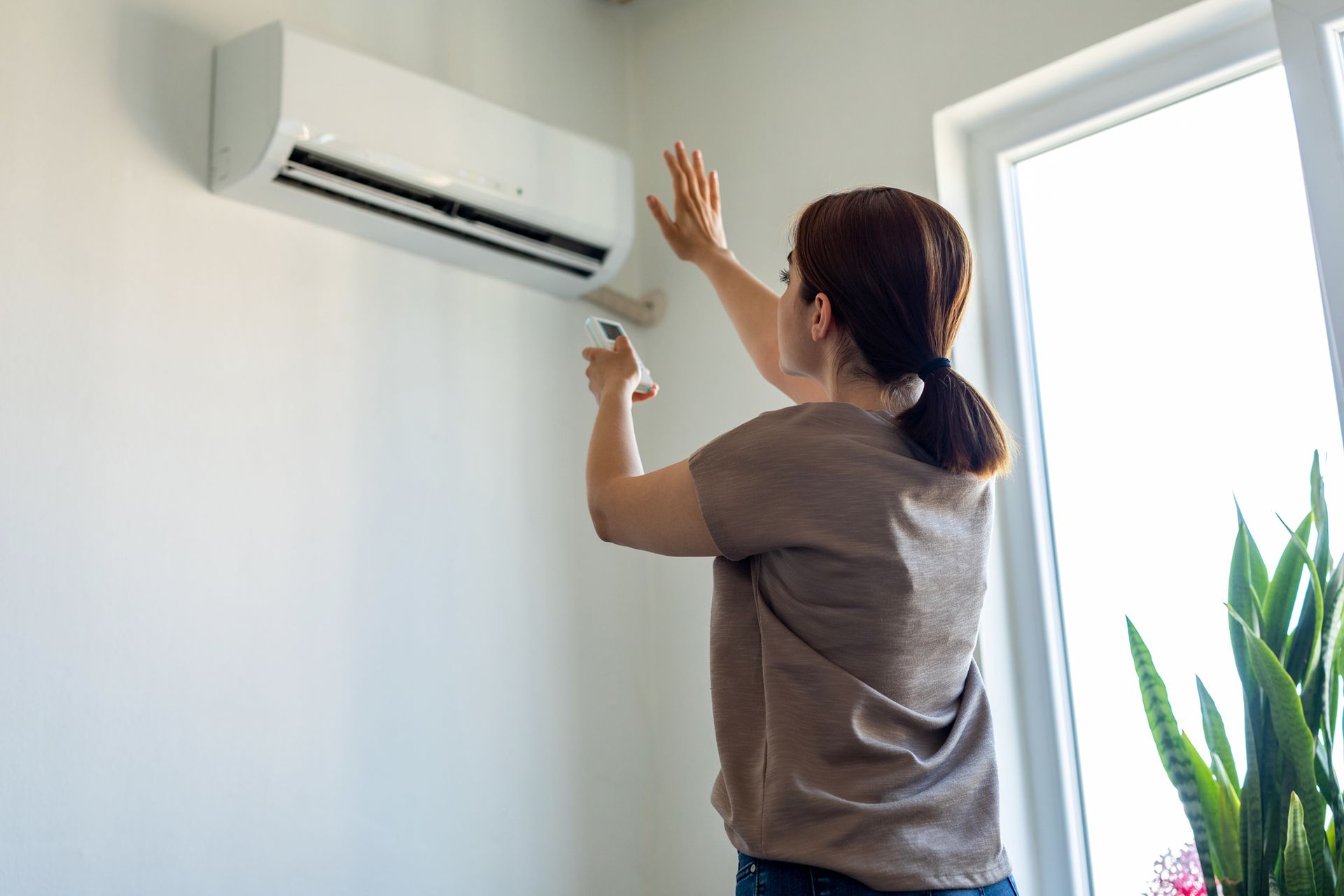
Many homeowners try to beat the heat by lowering the thermostat significantly. However, setting the temperature much lower than the outdoor conditions doesn't make your air conditioner cool faster.
The U.S. Department of Energy recommends keeping your thermostat around 78 degrees when you're home during the summer. Raising the temperature even a couple of degrees can reduce strain on your system, improve energy efficiency, and lower monthly utility bills while still keeping your home comfortable.
Dirty Air Filters Restrict Airflow
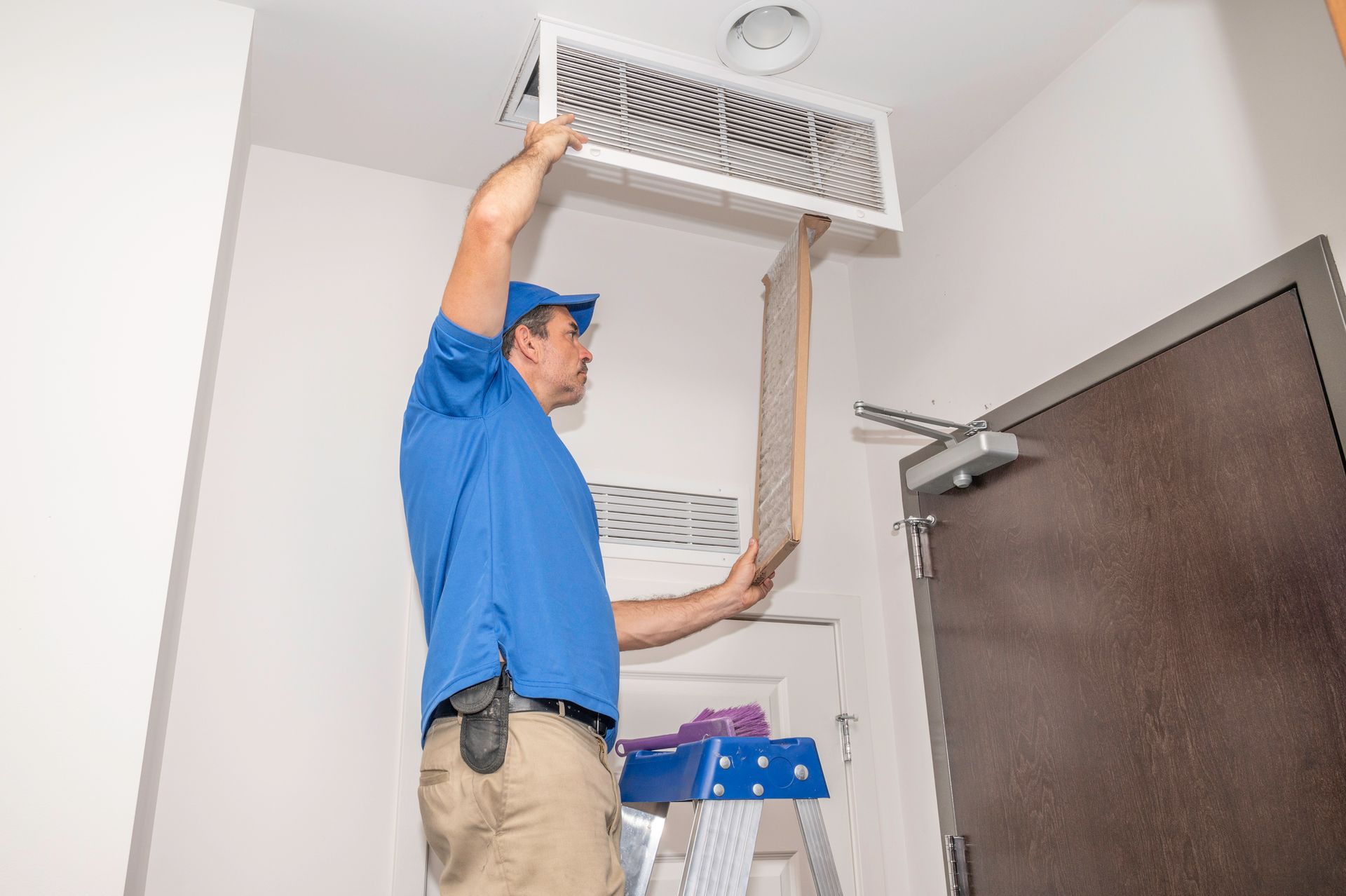
One of the most common reasons an air conditioner runs longer than necessary is a clogged air filter. A dirty filter restricts airflow, making it harder for cooled air to circulate throughout your home. As airflow decreases, your system must run longer to reach the desired temperature, increasing wear on critical components such as the blower motor.
Replacing your air filter every one to three months helps:
- Improve airflow
- Increase energy efficiency
- Reduce wear on system components
- Improve indoor air quality
- Help your AC maintain consistent cooling
Your Home May Be Losing Cool Air
Even the most efficient air conditioner struggles if cool air escapes your home. Common sources of air leaks include:
- Drafty windows
- Poorly sealed exterior doors
- Unsealed attic access points
- Gaps around plumbing or electrical penetrations
Improving insulation, sealing air leaks, and installing energy-efficient windows can significantly reduce cooling costs while helping your home stay comfortable throughout even the hottest North Texas afternoons.
Dirty Outdoor Coils Reduce Efficiency
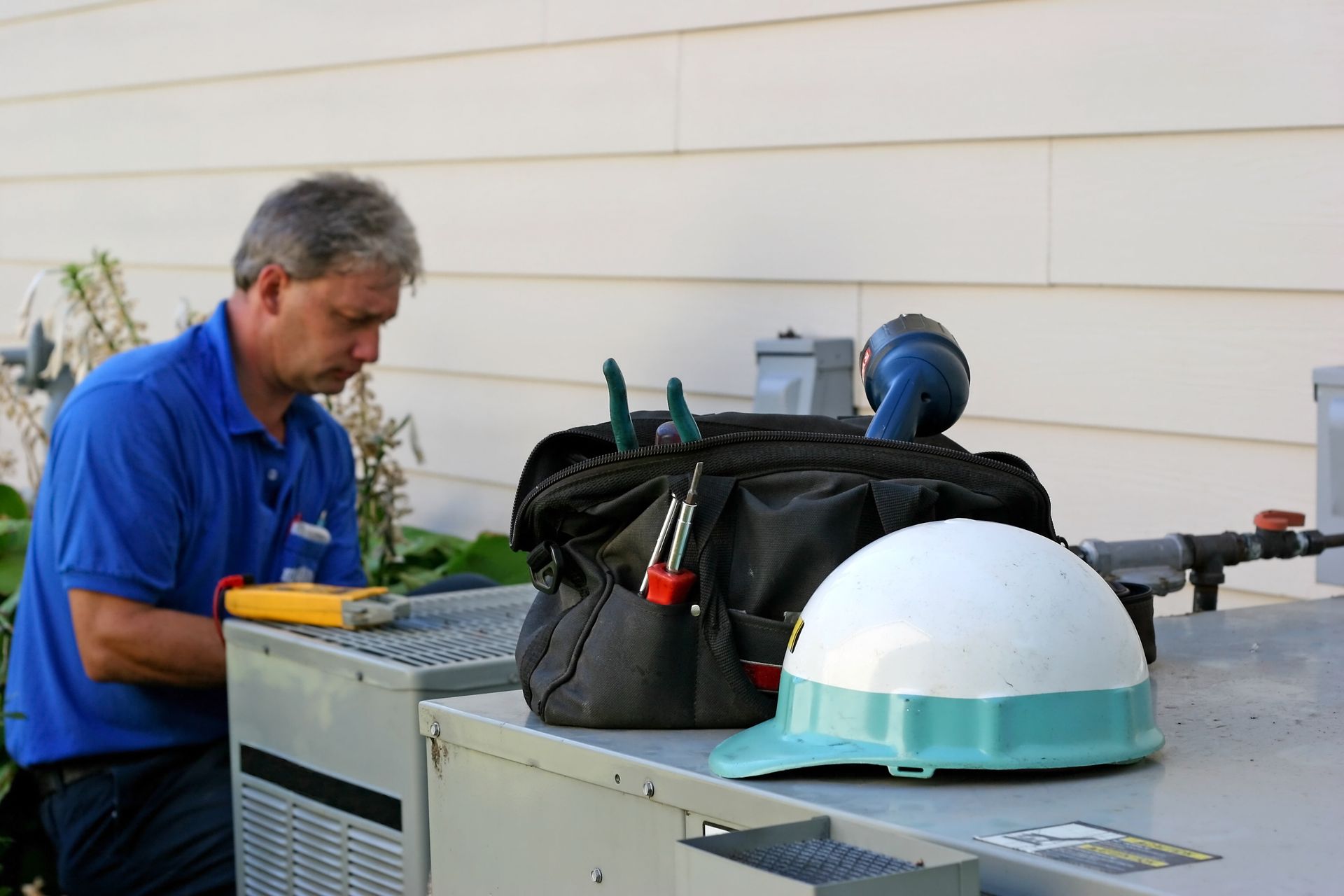
Your outdoor condenser unit releases heat collected from inside your home. When dirt, grass clippings, leaves, or other debris cover the condenser coils, the system cannot release heat efficiently.
As a result, your air conditioner runs longer while producing less cooling. Keeping vegetation trimmed around the outdoor unit and scheduling annual professional maintenance helps ensure maximum airflow and efficient operation.
Refrigerant Problems Can Cause Constant Operation
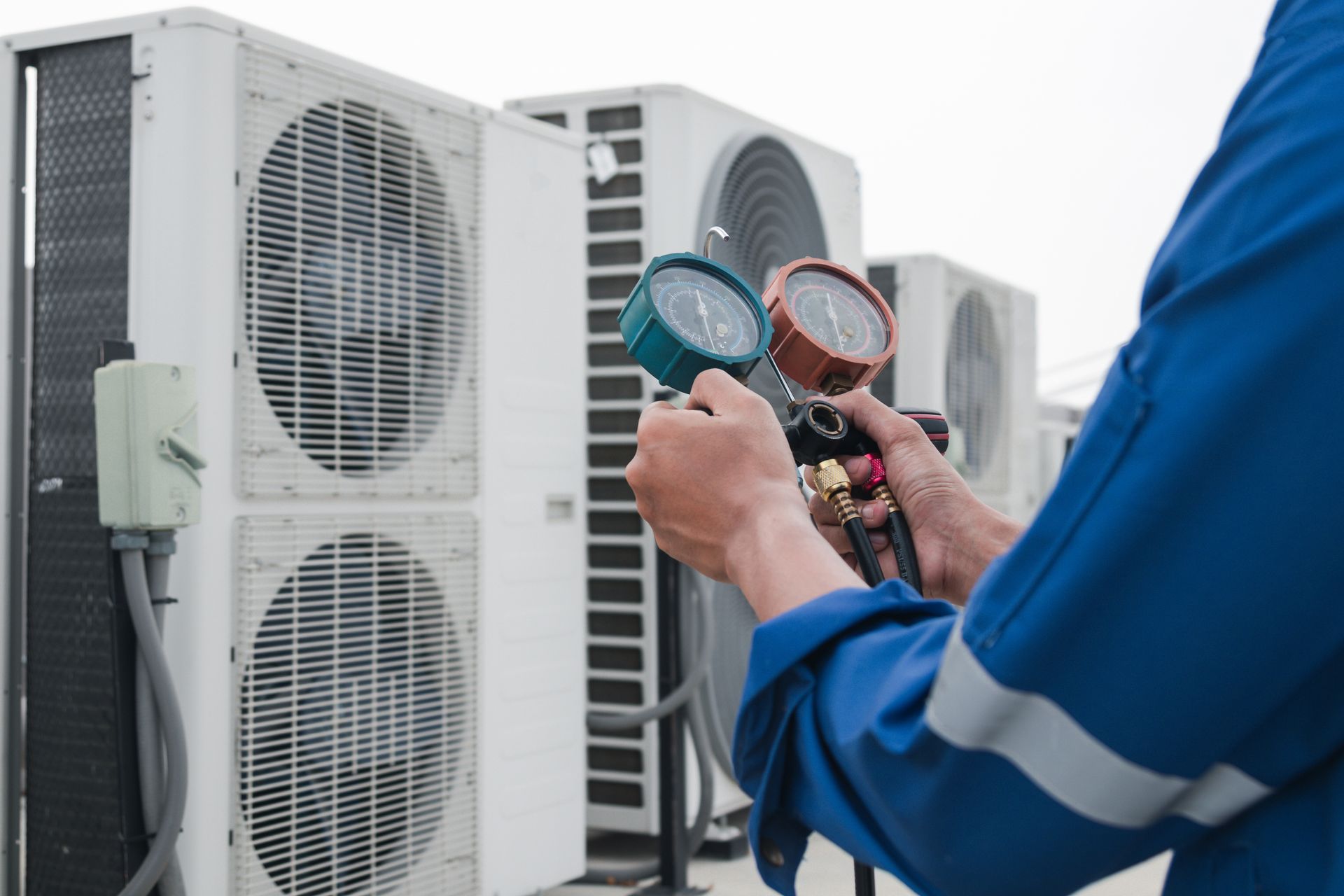
Low refrigerant levels or refrigerant leaks reduce your system's cooling capacity. Unlike fuel, refrigerant isn't consumed during normal operation. If levels are low, there's usually a leak that requires professional repair before the system can perform properly again.
Signs of refrigerant issues include:
- AC running constantly
- Warm air from vents
- Ice forming on refrigerant lines
- Higher utility bills
- Longer cooling cycles
Your AC May Be Undersized or Aging
Sometimes an air conditioner runs continuously simply because it isn't large enough for the home it's cooling. An undersized system may have been installed years ago before additions or renovations increased the home's square footage. Poor system sizing can also result from improper load calculations during installation.
Even properly sized systems naturally lose efficiency as they age. Most residential air conditioners last between 12 and 15 years. As components wear, the equipment often requires longer cooling cycles to maintain the same level of comfort.
Preventive Maintenance Makes a Big Difference
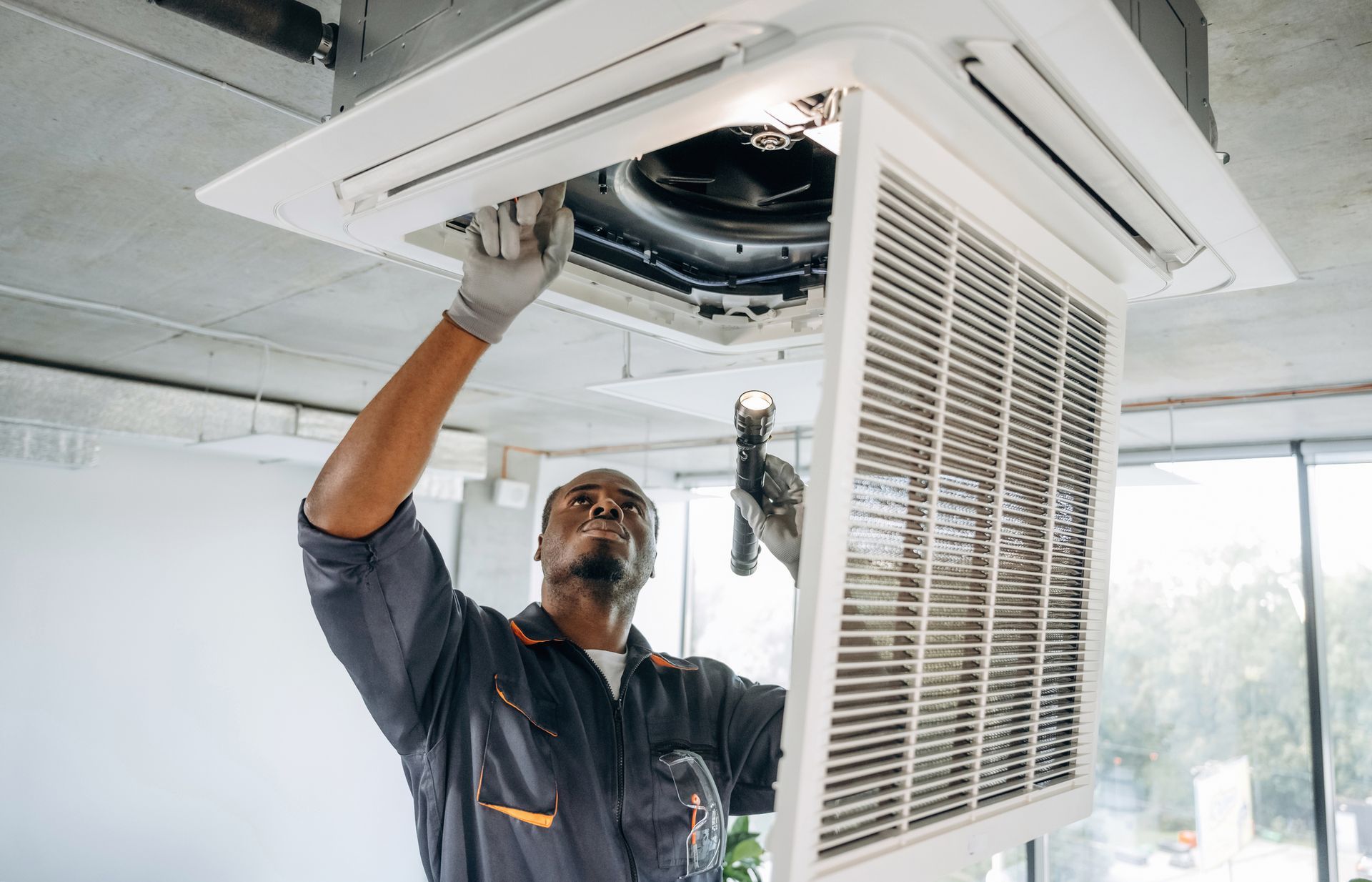
The best way to reduce excessive run times is through routine maintenance. Professional tune-ups typically include:
- Cleaning condenser coils
- Inspecting refrigerant levels
- Testing electrical components
- Cleaning the condensate drain
- Checking blower performance
- Verifying thermostat accuracy
- Inspecting system safety controls
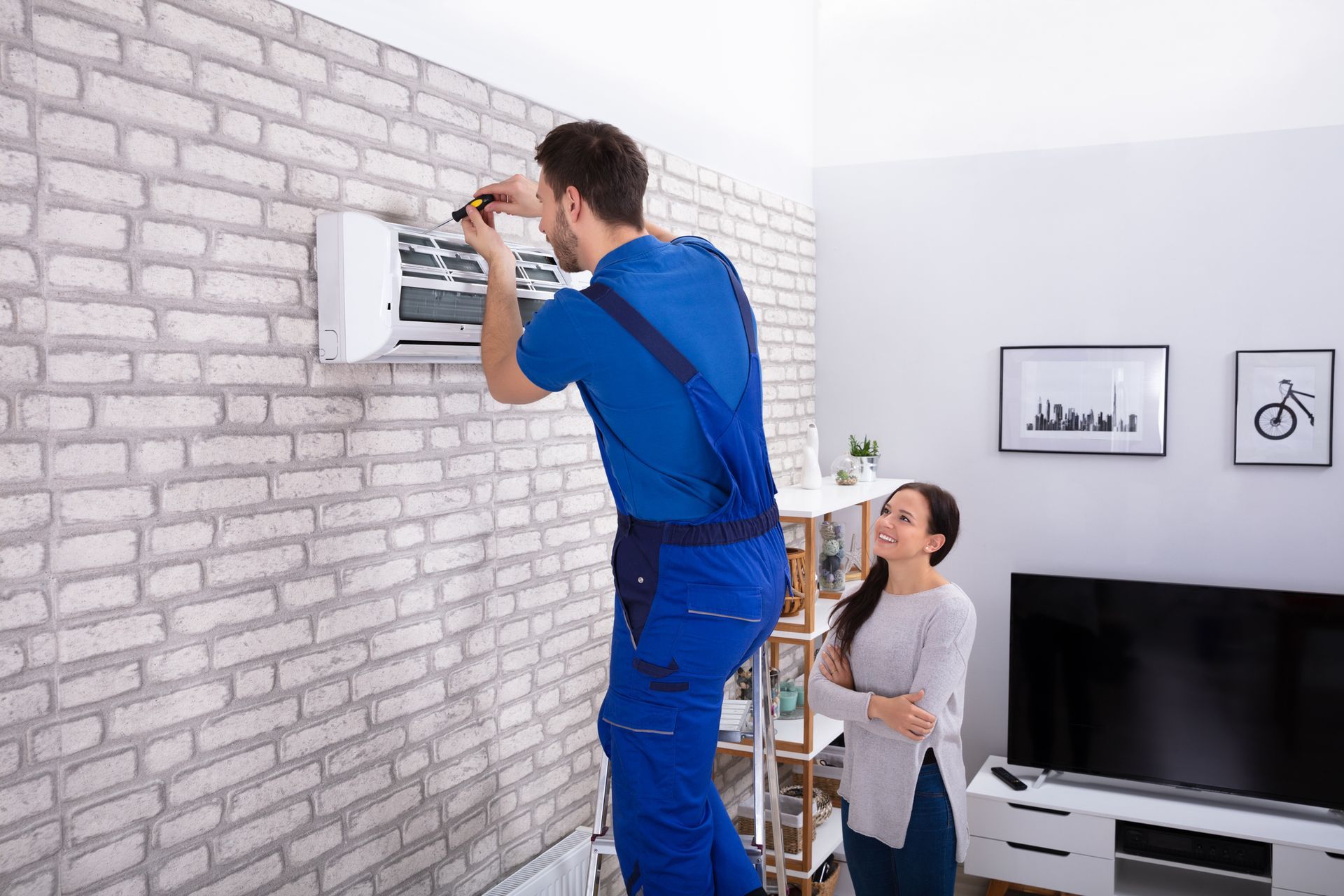
Routine maintenance helps identify small issues before they become expensive repairs while keeping your air conditioner operating as efficiently as possible throughout the demanding North Texas cooling season. Regular service can also extend the life of your equipment and improve overall home comfort.
If your home isn't staying comfortable or your energy bills are climbing due to excessive AC run-time, don't wait for the issue to worsen. Contact AirMax today for expert AC maintenance, repairs, and installation services. Our experienced team is ready to keep your North Texas home cool, comfortable, and energy-efficient all summer long.