AC Not Drying Air? Causes & Fixes in North Texas
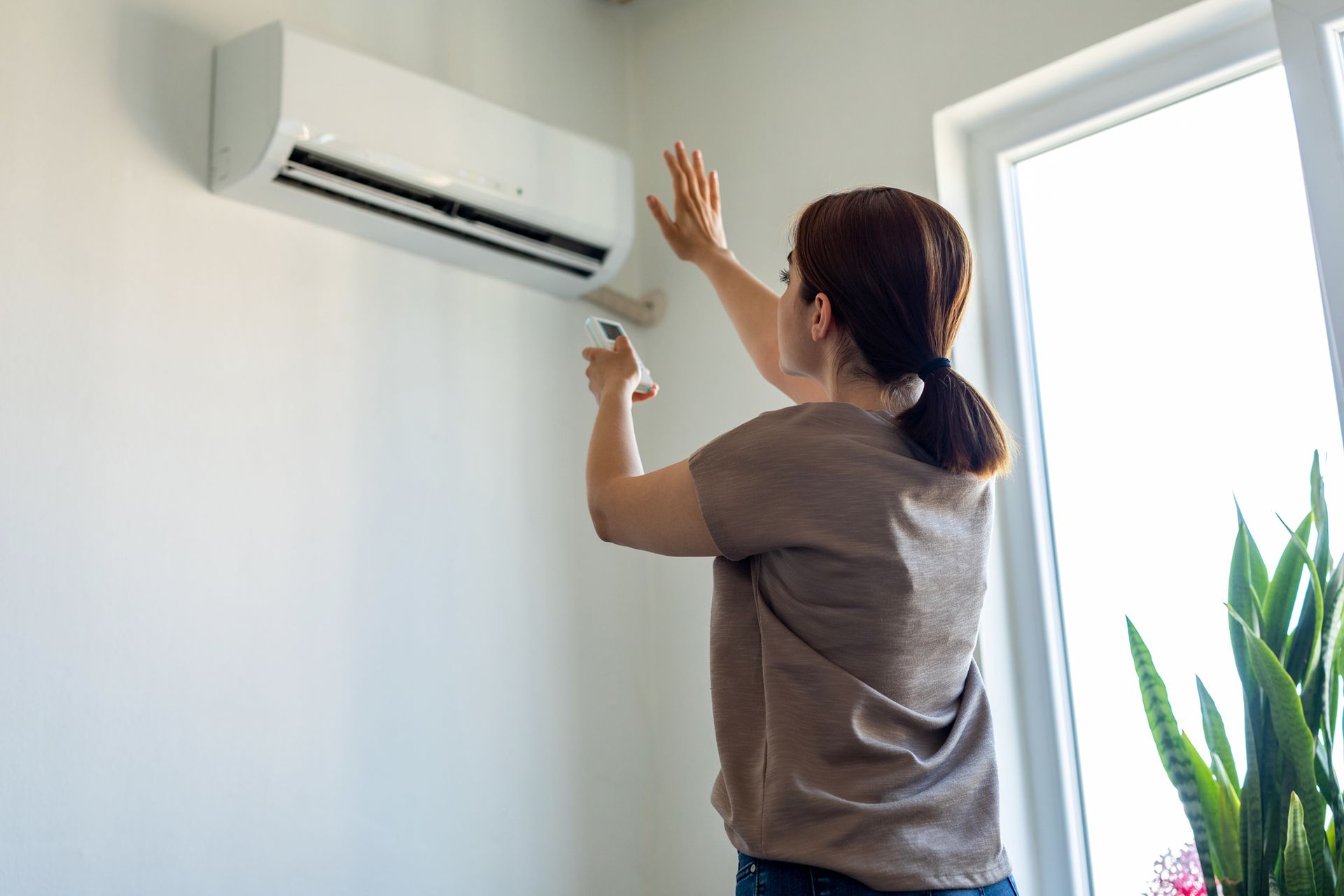
An AC that runs but does not pull out the sticky feeling in the air is frustrating. The air feels cool, but your skin still feels damp, and the house never feels truly comfortable. That is common in places like McKinney, Plano, Frisco, and Allen during late winter and early spring, when humidity starts creeping up even though the temperature is not at summer levels yet.
A properly working AC should cool and dry the air at the same time. When it does not, you can end up with musty smells, foggy windows, and higher energy bills because the system has to work harder. In this guide, we will explain how AC systems remove humidity, why yours might not be doing the job, what simple checks you can try, and when it is time to bring in a professional for AC maintenance in Collin County.
Stay Cool and Dry in Collin County’s Spring Humidity
Around early spring in North Texas, we start to get warmer days and more moisture in the air. You might flip the thermostat to cool on a mild afternoon and still feel sticky inside, even though the temperature looks fine.
When humidity is high indoors, you may notice:
- Rooms feel “clammy” or damp
- Odors hang in the air longer
- You sleep poorly because the air feels heavy
- Surfaces feel slightly moist
AC systems are built to do two things at once: lower the temperature and remove extra moisture from the air. If your system is only handling the temperature side, comfort goes down and strain on your equipment goes up. Our job as HVAC pros is to look at the whole picture, from the system itself to airflow and drainage, so your home feels cool and dry, not cold and sticky.
How Your AC Is Supposed to Remove Humidity
AC humidity control is simple at its core. Warm, humid indoor air is pulled through your return vents and pushed across a cold evaporator coil inside the air handler. As that moist air hits the cold metal, water in the air condenses into droplets, like a cold glass on a humid day. That water drips into a drain pan, flows through a condensate line, and exits the house.
For that process to work well, two things have to happen:
- Enough air must move across a clean, cold coil
- The system must run long enough for moisture to keep dripping away
Short, rapid cooling cycles usually remove less moisture. That is why an oversized AC, or one that shuts off too often, can make the air cool but not dry. Thermostat and fan settings also make a big difference. If your fan is set to On instead of Auto, it can keep blowing across a wet coil after the compressor stops, sending some of that moisture right back into your home.
System design plays a role, too. Airflow, duct layout, and equipment sizing all affect how well your AC can dehumidify. Even if your system seems to cool quickly, poor design can leave you with higher indoor humidity than you want.
Common Reasons Your AC Is Not Reducing Humidity
When we get calls for clammy homes in Collin County, we usually see a few repeat causes. Here are some of the big ones.
Oversized or incorrectly sized AC unit
In many newer neighborhoods, homes went up fast. In some cases, AC units were sized more for quick cooling than for balanced comfort. An oversized AC drops the temperature fast, then shuts off. Since it does not run long, it does not have time to pull enough moisture out of the air. The result is cold rooms that still feel muggy.
If you suspect a sizing issue, a new, properly sized system from a pro AC installation team can make a big comfort difference. You can learn more about system options on the
air conditioning installation page.
Dirty filters, coils, or blocked airflow
When air cannot move freely, everything suffers. Common airflow problems include:
- Clogged air filters
- Dusty or matted evaporator coils
- Supply vents or returns covered by furniture
With poor airflow, less warm air crosses the coil, so you get weaker cooling and weaker dehumidification. Regular AC maintenance in Collin County homes helps keep filters, coils, and drains in better shape, so humidity control stays on track.
Low refrigerant, failing parts, or leaky ductwork
If your system is low on refrigerant, has a failing compressor fan, or has leaky ducts in the attic, the AC cannot cool the coil properly. That cuts down on moisture removal and can leave certain rooms cooler and others warmer.
You might notice:
- Ice building up on the lines or on the outdoor unit
- Musty or damp smells from vents
- Rooms that never quite feel dry
Those signs usually point to a problem that needs a licensed HVAC pro, not a quick DIY fix. A professional
air conditioning repair visit can track down the real cause.
Fixes You Can Try Before Calling an AC Technician
There are a few simple checks you can safely do that sometimes help with light humidity issues.
Thermostat and fan settings
Make sure:
- The system is set to Cool, not just Fan
- The fan mode is on Auto, not On
- The temperature is set to a normal range, not extremely low
Constant fan operation can blow moist air off the coil and back into your home between cooling cycles. Very low setpoints can cause short cycling, which also cuts down on moisture removal.
Filter and basic airflow checks
Good airflow is key. You can:
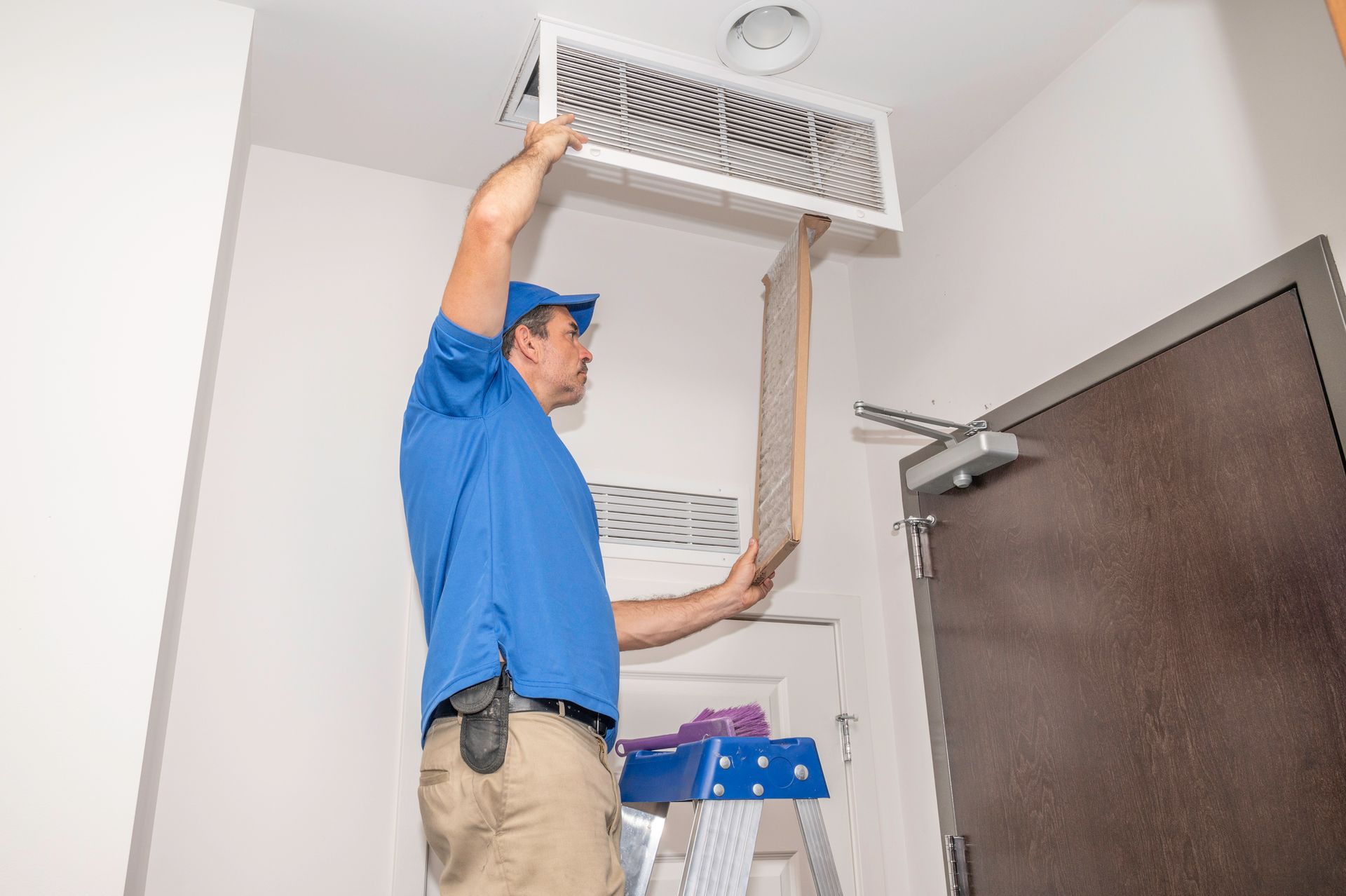
- Replace or clean your air filter if it is dirty
- Make sure supply vents and returns are open and not blocked by rugs or furniture
- Keep interior doors slightly open to help air move between rooms
Home habits and simple humidity control
Your daily routines can raise indoor humidity, too. Try to:
- Use bathroom fans during and after showers
- Run the kitchen exhaust fan when cooking
- Look for standing water near sinks, drains, or the indoor unit
- Use a small portable dehumidifier in areas that feel especially damp
If you do these things and still feel sticky all the time, it is a sign the AC system needs a closer look.
When Professional AC Service Is the Smart Move
Some humidity problems point to deeper HVAC issues that should be handled by a trained technician. It is time to call a pro if you notice:
- High indoor humidity even with correct thermostat and fan settings
- Water on windows, damp patches on walls, or peeling paint
- Musty odors, visible mold, or constant condensation around vents
- Frequent on-and-off cycling or energy bills that keep climbing
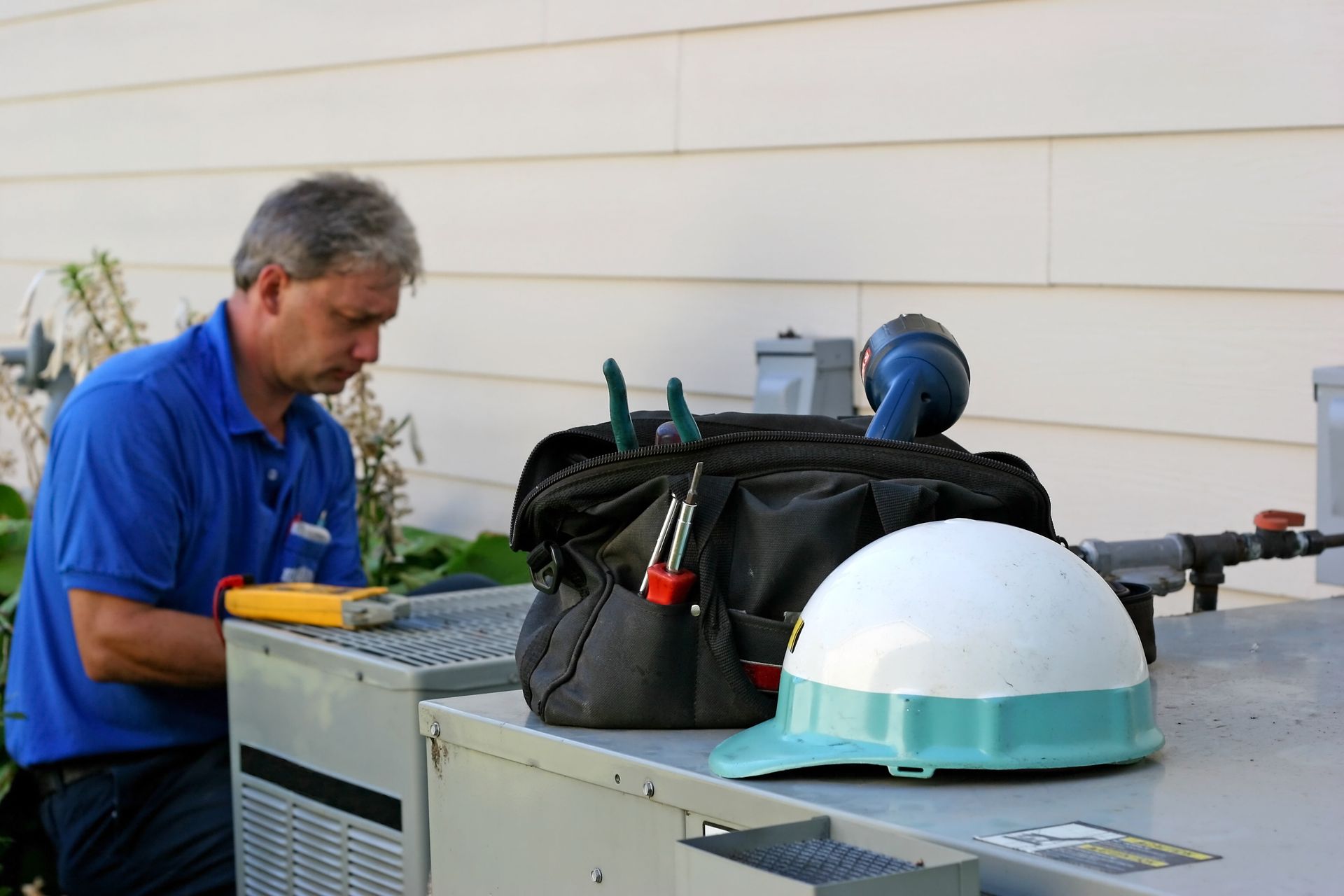
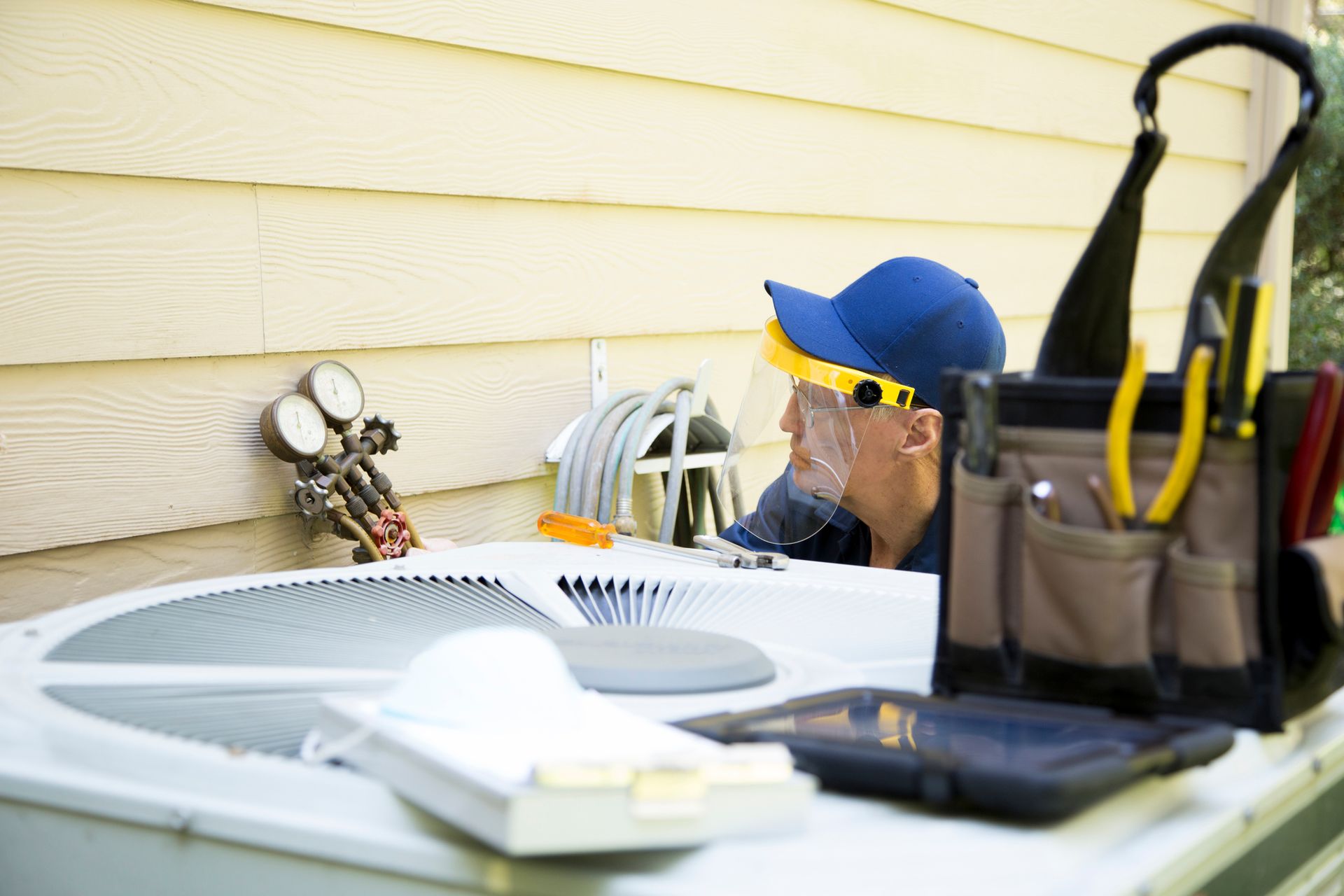
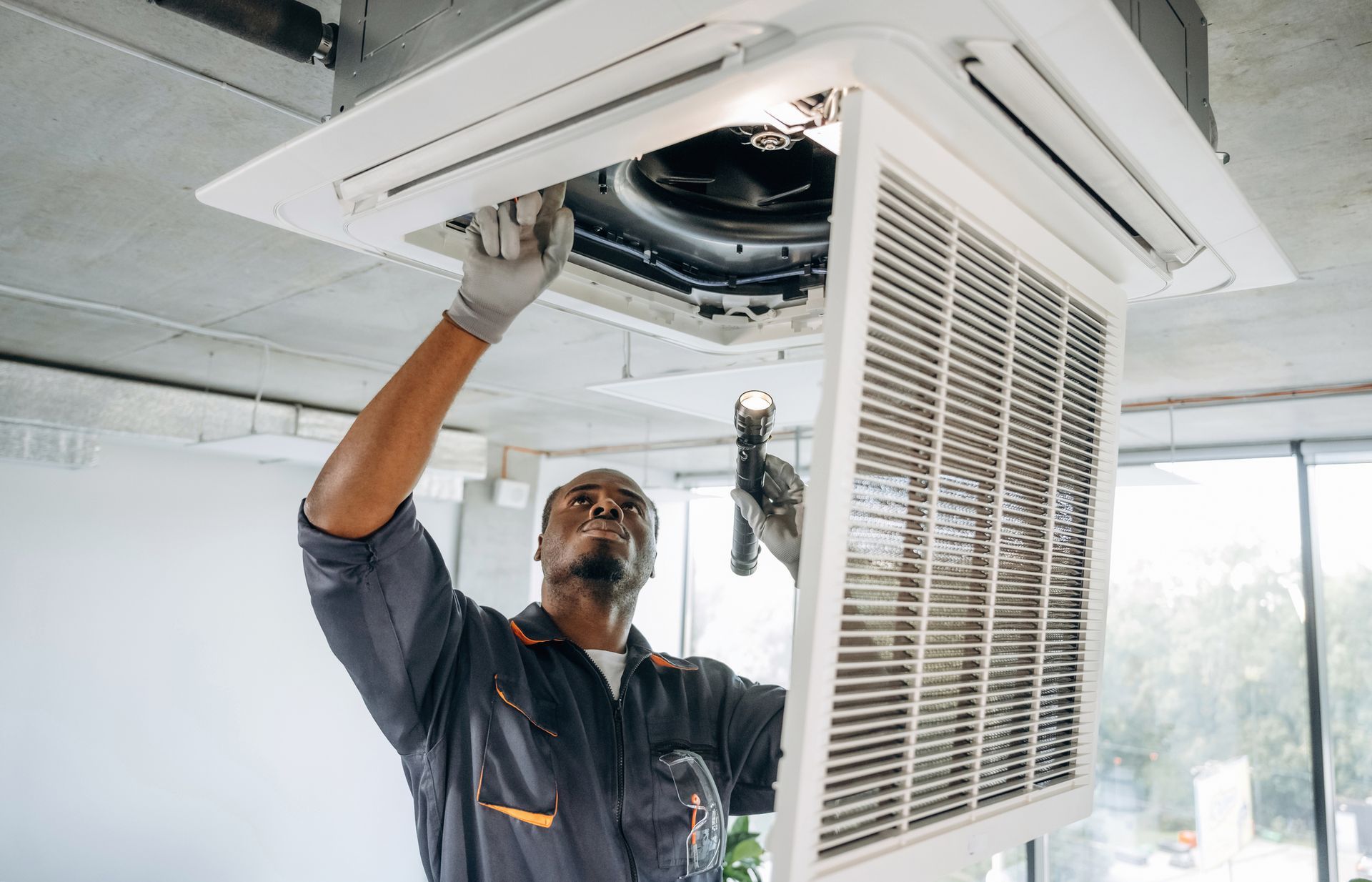
During a professional tune-up for AC maintenance in Collin County, a technician can:
- Check refrigerant levels and look for leaks
- Inspect and clean the evaporator coil and condensate drain
- Look for duct leaks and airflow problems
- Evaluate system sizing and runtime behavior
A full inspection and cleaning can often restore both cooling and dehumidification, especially if the system has not had routine care in a while.
Air conditioning systems that are kept clean and tuned tend to give more stable temperatures and steadier humidity control.
Long-term, regular maintenance helps to:
- Keep indoor humidity closer to your comfort range
- Support cleaner indoor air
- Lower strain on components
- Cut down on surprise breakdowns during hotter months
Frequently Asked Questions About AC and Humidity in Collin County
Why Does My House Feel Humid Even When the AC Is Running?
This often happens when the AC cools the air quickly but does not run long enough to remove moisture. Common reasons include an oversized unit, short cycling from thermostat issues, dirty filters or coils that block airflow, and fan settings left on On instead of Auto.
What Indoor Humidity Level Should I Aim for in North Texas?
Most homeowners feel comfortable when indoor humidity stays in the 40%, 50% range. In general, you want the air to be dry enough to help with comfort and odor control, but not so dry that it bothers your skin or throat.
Can Regular AC Maintenance Really Help with Humidity Control?
Yes, it often does. When a technician cleans coils, checks refrigerant levels, clears the condensate drain, and verifies airflow, the system can cool and dehumidify more steadily. Regular AC maintenance in Collin County homes is one of the best ways to support both comfort and indoor air quality as seasons change.
How Do I Know If My AC Is the Wrong Size for My Home?
Signs of a sizing issue include rooms cooling very fast but still feeling clammy, frequent on-and-off cycling, hot and cold spots between floors or between rooms, and higher humidity even when the thermostat says the right temperature. If you notice these patterns, an HVAC professional can review your home and recommend the correct system size or setup.
When to Call a Professional for Humidity Issues
If you see persistent humidity, visible mold, standing water around your indoor unit, ice on the outdoor unit, or comfort problems that keep coming back, it is time to bring in a licensed HVAC technician.
Keep Your Home Comfortable With Reliable AC Care
Stay ahead of breakdowns and surprise repair bills with our tailored AC maintenance in Collin County services. At Airmax Air Conditioning & Heating, we inspect, clean, and fine-tune your system so it performs efficiently when you need it most. If you are ready to schedule or have questions about the best maintenance plan for your home, please contact us today.